What if Irish food was treated as a pillar of national culture?

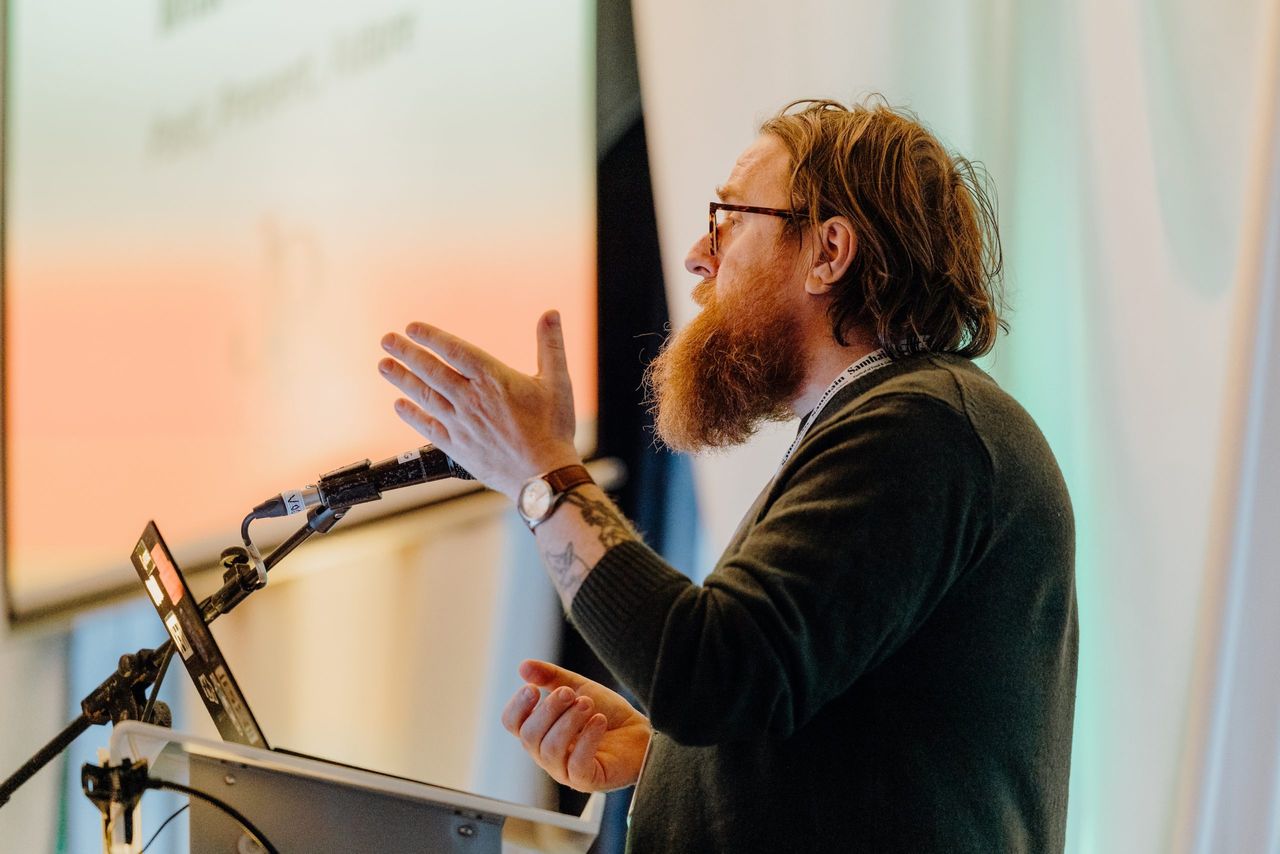
Irish food should be treated as a vital pillar of national cultural life, according to chef, author and Food on the Edge founder JP McMahon.
He is challenging Ireland’s long-standing treatment of food primarily as an export commodity, worth €19 billion in 2025.
McMahon made the call while speaking at a recent gathering of over 100 producers, chefs, educators, policymakers and citizens in Kells, Co. Meath for the Samhain Symposium 2026.
Drawing comparisons to public funding for theatre and the arts, McMahon proposed separating agriculture and food at ministerial level.
He suggested establishing an independent Food Council of Ireland with a dedicated cultural remit.
This, he said, could be funded by 1% of Ireland’s food export value - which would amount to approximately €190 million annually - to support food education, county food officers, living archives and long-term continuity.
Basic income campaign
During the panel discussion, author and GIY founder, Mick Kelly spotlighted the stark paradox at the heart of Ireland’s food system, exporting vast quantities of milk powder and protein supplements while importing four-fifths of our calories.
He urged support for Talamh Beo’s basic income for local food farmers campaign.
Noting that the scheme could be delivered for €8 million, Kelly’s intervention sparked strong backing from the room and the Centre of Food Culture Ireland (COFCI) alike for policies that directly sustain small-scale growers feeding local communities.
Hosted by the COFCI as part of the broader Samhain Festival of Food and Culture, which ran from November 5–8 with the theme Irish Food Culture: What’s The Story?, the event sparked a candid debate on how Ireland values, funds, and protects its food heritage at home.
Following the keynote address, 12 round tables explored what Irish food culture means today and how stakeholders can build a cohesive, genuine food system.
Participants highlighted the warmth of Irish hospitality, family traditions, and the need to embrace an evolving cuisine spanning everything from soda bread to the modern spice bag.
At the same time, tables addressed a lingering cultural lack of confidence around everyday Irish food, the disconnect between export volumes and access to affordable local produce outside supermarkets, and the urgent need for grassroots food education in schools and communities.
Cultural pride
A closing panel discussion, featuring McMahon alongside Mick Kelly, food writer and Scoop magazine editor Dee Laffan, and University of St. Gallen (UNISG) professor and researcher Paolo Ferrarini, examined how to turn cultural pride into systemic action.
Bringing an international lens from Italy, Ferrarini pointed to how Denmark’s new Nordic manifesto transformed global perception by rooting culinary identity in memory, connection, and local school-to-community growing.
Speaking on the panel, food writer Dee Laffan reflected on what is missing from national decision-making.
She said: “Irish food is all about caring for one another, yet one word we rarely hear in policy rooms is ‘love’.
"Right now, our government isn’t showing enough love or genuine care at policy level for our domestic food culture, our food sovereignty, and the people who nourish our communities.”
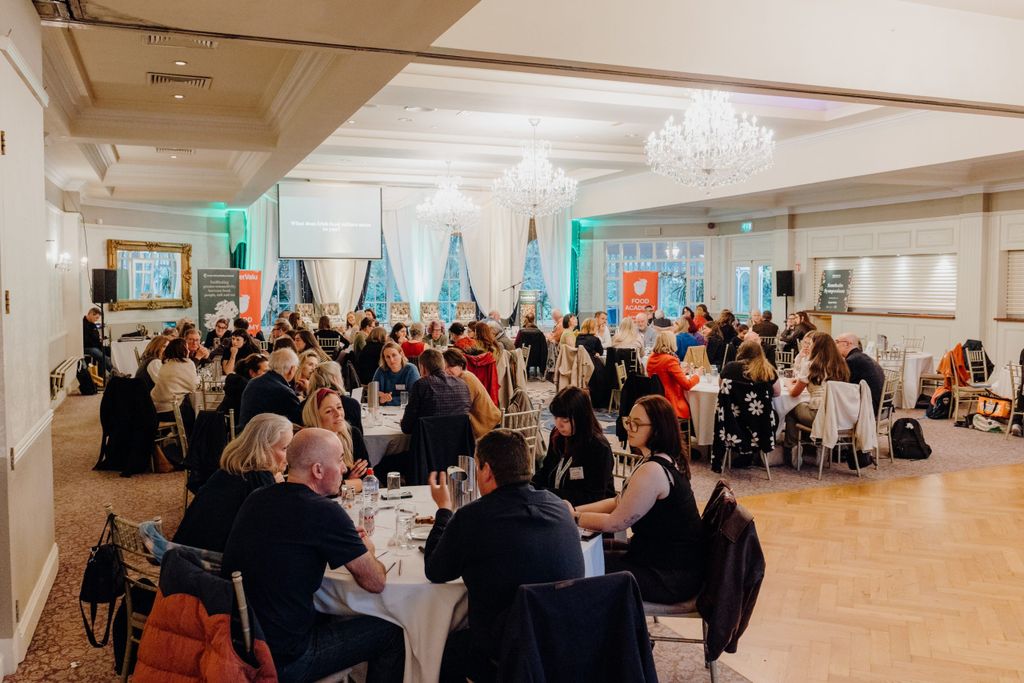
Reflecting on the momentum generated in Kells, development manager at the COFCI, Ella Ryan contended that the energy in the room at the Samhain Symposium showed an undeniable appetite for change.
She explained: "At the COFCI, our role is to create the space where producers, chefs, educators, policymakers and citizens alike can sit at the same table, connect across sectors, and realise they don’t have to carry this work alone.
She said: "Across Ireland’s food community, there is a genuine desire to turn shared conversation into collective action, whether that’s backing initiatives like Talamh Beo’s basic income for local food farmers or embedding practical food education in our schools.
"Whether we approach it through the lens of food justice, food security, or cultural heritage, the message across Samhain is clear.
"Protecting and strengthening Ireland’s food system starts when we come together to value and nourish what we have right here at home."
Closing the afternoon, COFCI’s Olivia Duff underscored that Samhain is built to drive action outside the room rather than serving as a talking shop, bringing networks together to safeguard food knowledge as a vital national resource.
Insights gathered from the roundtable discussions will now be synthesised by the COFI to inform ongoing advocacy, stakeholder engagement and the continued development of the first national centre of food culture in Ireland.