Irish Dairy's Grass-fed Strength
This summer’s drought conditions, and the pressure they put on grass growth and fodder supplies, showed just how important grass is to Irish dairy.
Despite these recent challenges, grass remains at the heart of Irish dairy farming.
This third article in the Irish Dairy's Grass-Fed Strength series outlines how Ireland is well placed to deal with the new considerations international dairy buyers must take into account.
Changing priorities among global dairy buyers
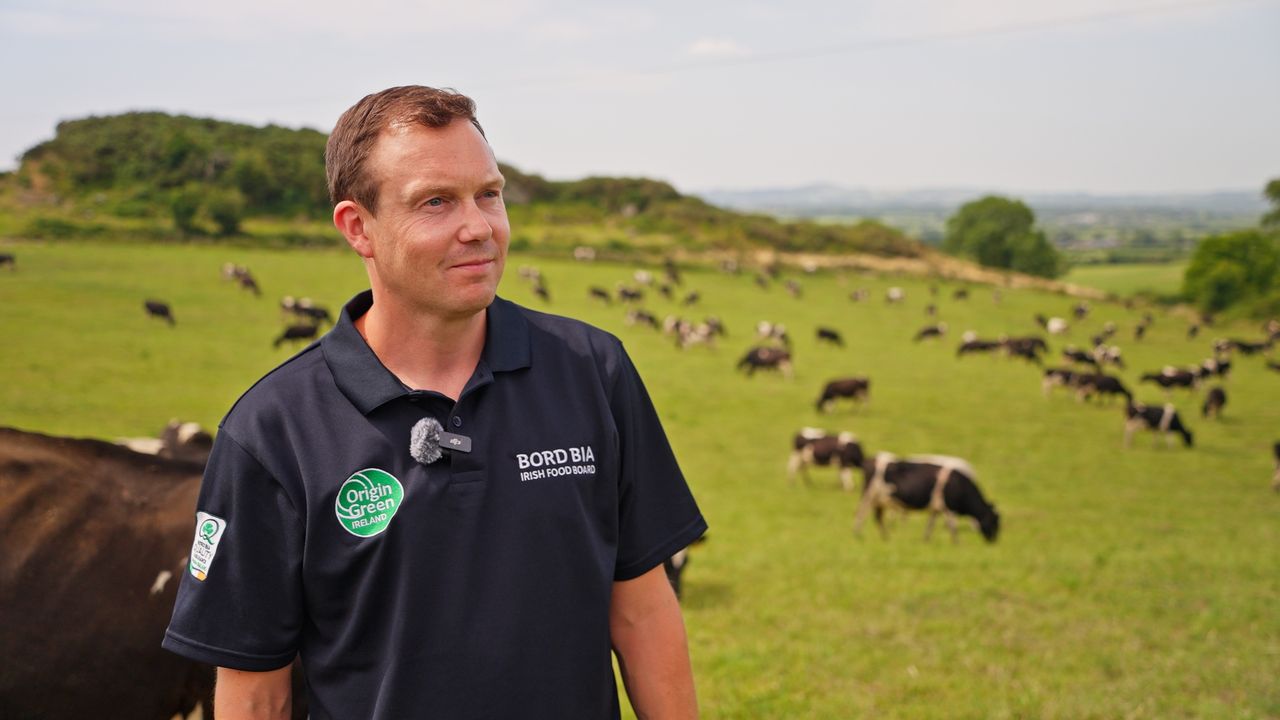
According to Kennedy, international dairy buyers have traditionally focused on factors such as the volume available and the price they pay.
However, he said carbon reduction is becoming an increasingly important consideration for major food companies.
“Global buyers have been traditionally measured against how much volume they can buy and what price they can buy it for, but ever increasingly we’re seeing those buyers now have targets around carbon reduction.”
Many large food companies have set net-zero targets, with Kennedy saying this is influencing how they assess potential suppliers.
“To do that, they’re prioritising suppliers, like suppliers from Ireland, who can give them lower carbon products.”
Kennedy said this can create opportunities for Irish dairy, with customers looking to increase the proportion of their supply coming from countries and companies that can demonstrate lower-carbon dairy production.
However, he said the claims made about sustainability need to be supported by robust evidence.
“That lower carbon claim has to be robust, has to be backed up by something independent," he explained.
Why independent verification matters
Kennedy said Bord Bia is seeing growing interest from global customers in Ireland’s Origin Green and the Sustainable Dairy Assurance Scheme (SDAS), and how these programmes can support their own sustainability objectives.
He explained: “The idea is it puts Ireland to the front of the queue when those global manufacturers are deciding who they want to source from.”
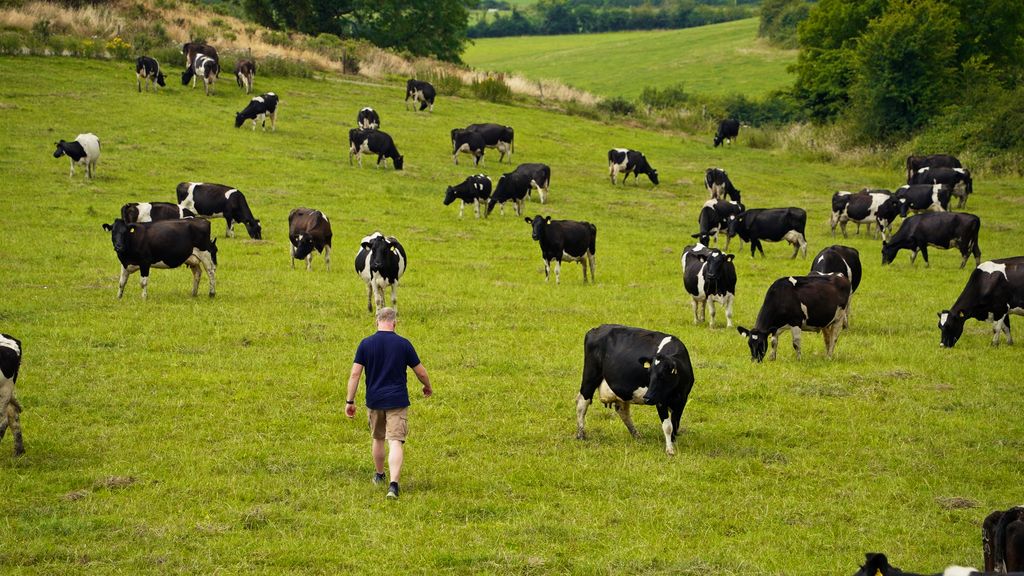
Through SDAS, Irish dairy farms are visited at least once every 18 months, with a carbon footprint completed as part of the audit process.
“That gives them [global trade buyers] the security of knowing that data is robust and independently verified.”
What does grass-fed mean to the customer?
While grass is fundamental to how Irish dairy is produced, Kennedy said the reasons international customers and consumers value grass-fed can vary.
“The beauty, I suppose, of our grass-fed position or our grass-fed offering is it can mean many good things to many different people.”
For some consumers, grass-fed is associated with taste, with the reputation of Irish butter internationally providing one example.
For others, Kennedy said it can be linked to animal welfare or naturalness, while some customers are particularly interested in the potential lower-carbon characteristics of grass-based production.
Standing over Ireland’s grass-fed claims
With global customers increasingly looking for evidence behind sustainability and production claims, Kennedy said independent verification is particularly important.
“When we speak to these global customers it’s important that we’ve got really robust independent proof, and in Ireland we’ve got an advantage in this way," he explained.
Bord Bia introduced a grass-fed standard in collaboration with industry to provide a clear framework for substantiating grass-fed claims.
“It’s a really important mechanism to stand over the robustness of our grass-fed claims.”
For Kennedy, the combination of Ireland’s grass-based production system and independent verification provides a way to demonstrate the characteristics of Irish dairy to customers around the world.
The aim, he said, is ultimately to help Irish dairy exporters secure the most value possible from international markets for Irish dairy farmers.
The Irish Dairy's Grass-Fed Strength series is a collaboration between Agriland, Ornua, and Bord Bia.