Pesticide failures detected in 24 drinking water supplies in 2025 - EPA

Pesticide failures were detected in 24 drinking water supplies across Ireland in 2025.
That's according to the Environmental Protection Agency (EPA) which has today (Wednesday, July 1) published its Drinking Water Quality in Public Supplies 2025 report.
The report shows that Ireland’s drinking water continues to meet high standards for over four million people.
Compliance with microbiological limits reached 99.8%, while chemical standards were met in 99.7% of samples analysed, which means our public water is safe to drink.
Despite this good level of compliance, the EPA has identified a list of ‘at-risk’ supplies - the Remedial Action List (RAL) - where improvements are required to ensure a safe and secure drinking water supply for consumers.
10 ‘at-risk’ supplies were resolved during 2025, with Uisce Éireann upgrading drinking water treatment infrastructure.
However, 35 public water supplies still remain on the RAL at the end of 2025 and the EPA has said they must be addressed as soon as possible.
Launching the report, director of the Office of Radiation Protection and Environmental Monitoring, Patrick Byrne said: “Public drinking water quality remains high, so people can be confident that the water supplied to their homes is safe to drink.
"While the EPA welcomes the reduction in the number of ‘at-risk’ supplies, EPA audits and enforcement continue to identify supplies which cannot guarantee safe and secure drinking water.
"Uisce Éireann must allocate necessary resources to complete the required upgrades at ‘at-risk’ supplies to ensure drinking water remains safe and public health is protected into the future.”
Pesticide failures
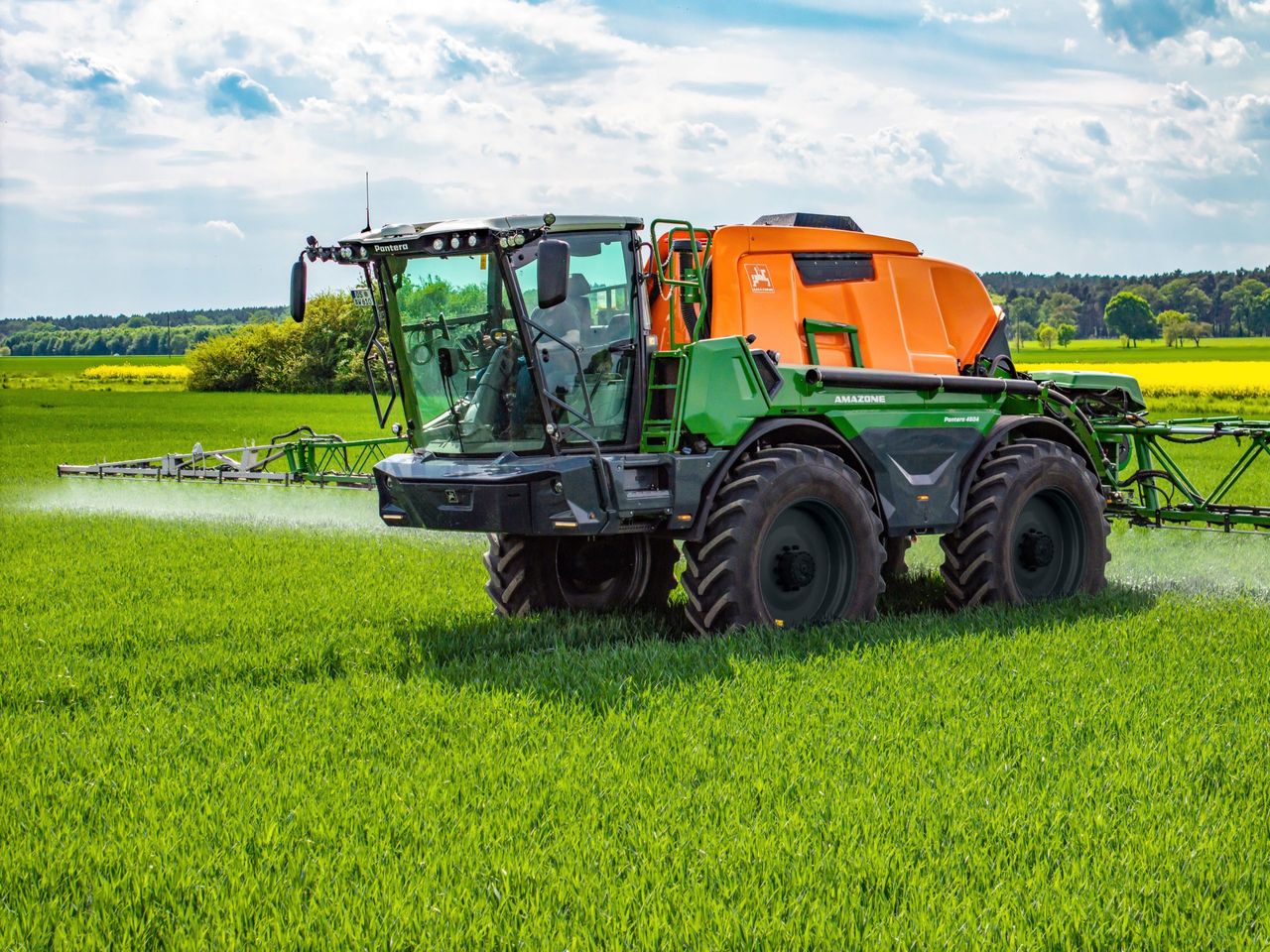
Pesticides are found in drinking water due to their use in the water supply catchment.
The EPA has stated that the term ‘pesticides’ includes a wide range of products, but in Ireland, herbicides are most commonly identified, especially MCPA, which is primarily used for rush control in grassland.
Uisce Éireann uses a catchment management approach to reduce the risk of pesticides, through the National Pesticides and Drinking Water Action Group coordinated by the Department of Agriculture, Food and the Marine (DAFM).

This group works with a range of stakeholders such as EPA and Uisce Éireann, the Local Authorities Local Authority Waters Programme and others to support compliance with pesticide limits.
Catchment Focus Groups then bring relevant stakeholders together locally with the aim of resolving the issue in the catchment before it reaches the drinking water supply.
Pesticide failures were detected in 24 water supplies in 2025, compared to 23 water supplies in 2024.
Out of 704 public water supply zones monitored for nitrate, three zones has exceedances.
Out of 253 public group water supply zones monitored, there were now exceedances of nitrate detected.
One area of the country on the RAL for pesticides is Co. Limerick where catchment focus measures are being taken is Foynes / Shannon Estuary PWS.
Drinking water
Water restrictions must be imposed by Uisce Éireann to protect human health when it cannot provide safe drinking water due to contamination or inadequate treatment.
In 2025, 100 supplies affecting almost 200,000 consumers were impacted by boil water notices or water restriction notices, an increase from 84 supplies in 2024.
The EPA said Uisce Éireann must improve treatment plant resilience to respond to changing weather conditions, raw water quality or malfunctions in the treatment process so that water restrictions are not needed in the first place.
Regarding water restrictions on drinking water supplies, EPA programme manager, Noel Byrne said: “It is worrying that almost 200,000 people were affected by water restrictions in 2025.
"While necessary to protect public health, they are a considerable inconvenience for consumers and point to a lack of resilience in water treatment.
"Uisce Éireann must make water treatment plants more robust, so they can withstand treatment challenges and continue to provide a safe water supply for consumers.
"Where restrictions are necessary, Uisce Éireann must respond quickly so that a compliant water supply is restored as soon as possible.”
Key findings
- 99.8% of regulatory samples comply with microbiological parameter limits;
- 99.7% of regulatory samples comply with chemical parameter limits;
- 35 supplies were on the EPA’s ‘at risk’ list at the end of 2025, compared to 45 at the end of 2024;
- 66 boil water notices and 34 water restrictions were in place in 2025, affecting approx. 189,000 and 2,000 people respectively;
- 28 of those boil water notices (decreased from 33 in 2024) were in place for more than 30 days, meaning they are classed as long-term notices requiring investment in infrastructure to address;
- E. coli bacteria was detected in 10 supplies through regulatory monitoring;
- Trihalomethanes (THM) limits were exceeded in 24 supplies through regulatory monitoring;
- Pesticides limits were exceeded in 24 supplies.
Challenges
The EPA’s report also highlights wider challenges across the supply network, including the level of leakage and the replacement of lead pipe work.
36% of treated water is lost daily through leakage, and people continue to be at risk from exposure to lead in drinking water due to lead in water pipes.
The EPA has stated that more action is needed by Uisce Éireann and other stakeholders to address these issues in the supply network.