Opinion: Pressure on food retail prices inevitable after drought

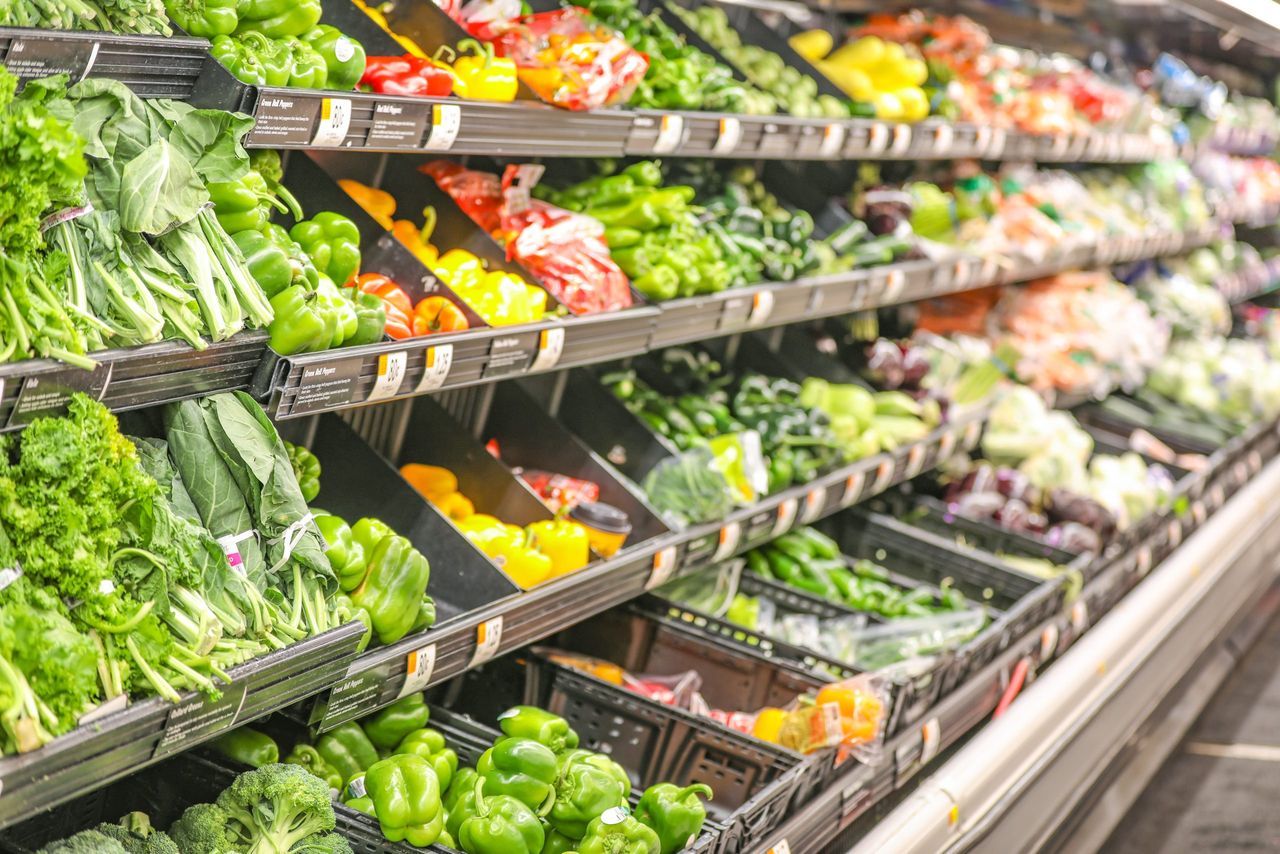
It is hard not to conclude that retail food prices are set to strengthen dramatically over the coming months.
Crop yields have been severely impacted by the drought conditions that have impacted across Europe, Ireland included, over recent weeks.
This fact alone will have a major impact on the costs incurred by dairy and beef farmers throughout the region. And this is purely on the back of forage availability and fodder quality.
But an even bigger factor within this production-related equation will be the added costs incurred by farmers over the coming winter months.
On the basis of supply/demand alone, the price of grains and oilseeds look set to increase dramatically as the impact of this year’s exceptionally poor harvest hits home.
It is important that Irish grain buyers take full account of this reality as they work out the prices they are set to pay local tillage farmers for the grains harvested over recent weeks.
Rewarding farmers
But the even bigger picture to be considered centres on the need for Irish society as a whole to do its bit in recognising the key contribution that farmers make to our way-of-life.
It is a very simple case to make. It all centres on the issue of paying these primary producers a reasonable price for the high quality food they produce.
Some will quickly turn around and say that we export the vast bulk of the beef, dairy and lamb products we produce. So the home market really does not count in this context.
I would argue that on the back of an increasing Irish population, this is not true.
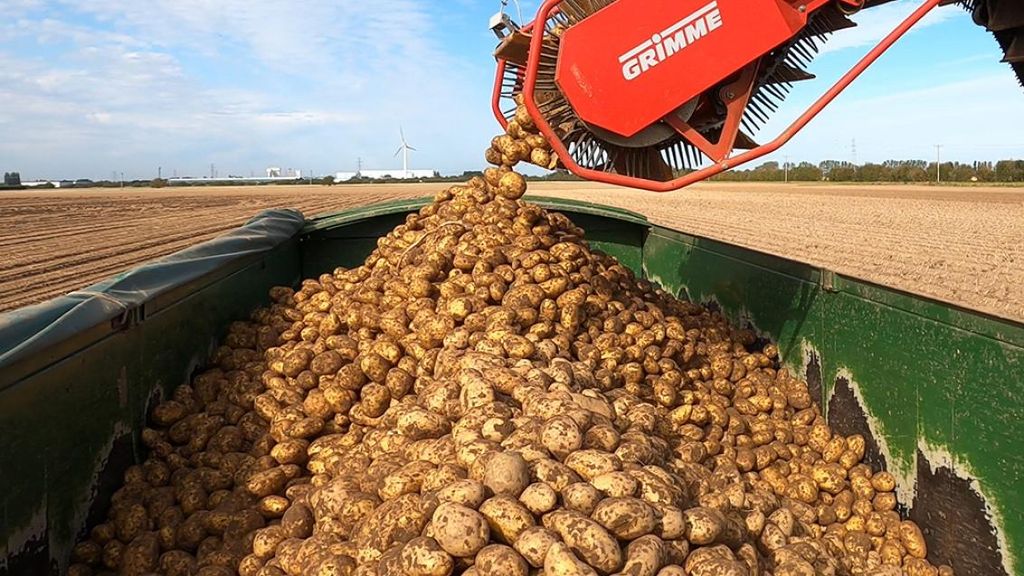
But what about the fundamentally important range of potatoes, vegetables and horticultural produce made available by Irish farmers every day of the year?
These crops have also been badly hit by the drought of 2026.
So, it is inevitable that pressure will come on retail prices.
This is a fundamental fact that both the supermarkets and consumers must realise.
Trying to short-change Irish growers is not an option.
The end result of such an approach will be the decimation of farming sectors that must be retained if Irish agriculture as a whole is to have a sustainable future.
Climate change
It now seems obvious that all of these issues are wrapped up within the bigger picture that is climate change.
We have gone well beyond the point of having ethical discussions about this issue. It is a fact that our climate is changing. Irish agriculture must plan accordingly.
Simply burying our heads in the sand, doing ‘ostrich impressions’, will not cut it in this regard.
All options are on the table: it is time to get our thinking hats on.