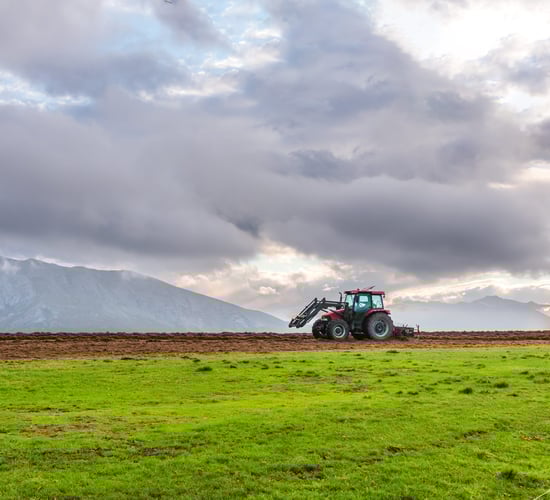
Opinion: Key decisions on tillage aid package required without delay

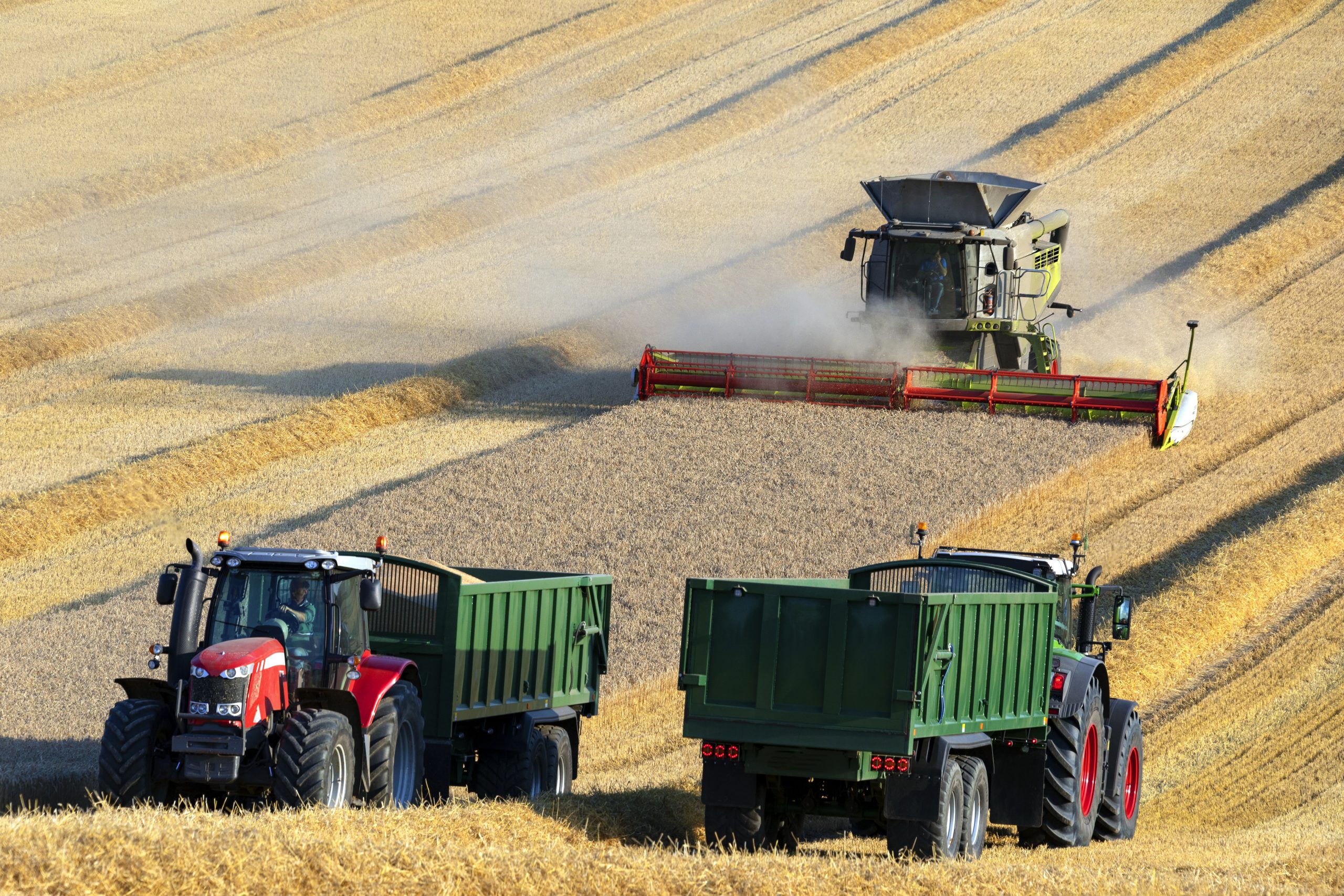
Is the Department of Agriculture, Food and the Marine (DAFM) about to confirm the distribution of the tillage aid monies agreed in Budget 2026 over the coming days?
This is the question.
And, of even more importance, will we get an indication from Minister of Agriculture, Food and the Marine, Martin Heydon as to whether this will be a one-off payment or a scheme that has legs taking it through to the end of the current Dáil term.
Farm lobby groups will, obviously, be pushing for the latter.
Tillage support
The tillage industry enters 2026 with the reality of considerably stronger fertiliser prices coming down the track and no real prospect of grain prices increasing over the coming months.
Add to this the continuing malaise within the malting barley and oats sectors, and it becomes quite easy to make a cohesive argument for a strategic aid scheme being made available to Irish tillage farmers over the coming years.
And let’s not forget that the two parties of government promised the tillage industry the vision of a comprehensive aid boost prior to the December 2024 election.
However, it should also be pointed out that such enthusiasm had dampened somewhat by the time we got to the middle of last year.
Native grains
Meanwhile the perceived threat of a Mercosur trade deal with the EU is the matter that has truly captivated the minds and actions of Ireland’s farm leaders over recent months, with the potential impact of all this on the beef sector the issue at hand.
However, this all very strange, given that any figures cited with regards to potential Mercosur beef import quotas will hardly make a dent on the projected fall in EU cattle numbers over the coming years.
Irish tillage farmers for their part continue to make the point that they have been dealing with a de facto Mercosur deal on grain imports with no quotas attached for the past number of years.

The end result has been a steady decline in Irish cereal prices, and no one within the Irish government really prepared to stand up and argue the case for native grains.
The big beneficiaries here have been Irish pig, poultry, dairy, beef and sheep farmers who have gained, very significantly, from the resultant cheap compound feed prices.
Add in recent Common Agricultural Policy (CAP) reforms that have severely disadvantaged Irish tillage farmers, specifically where the convergence of single payments is concerned, and it is very hard not to support the principle of a long-term support package for the crops’ sector not being committed to by the Irish government.