Newbarn Farm invites public to take a gander
Located in Ashbourne, Co. Meath, just outside of Dublin, Newbarn Farm is a vegetable shop, working farm, open farm, and café.
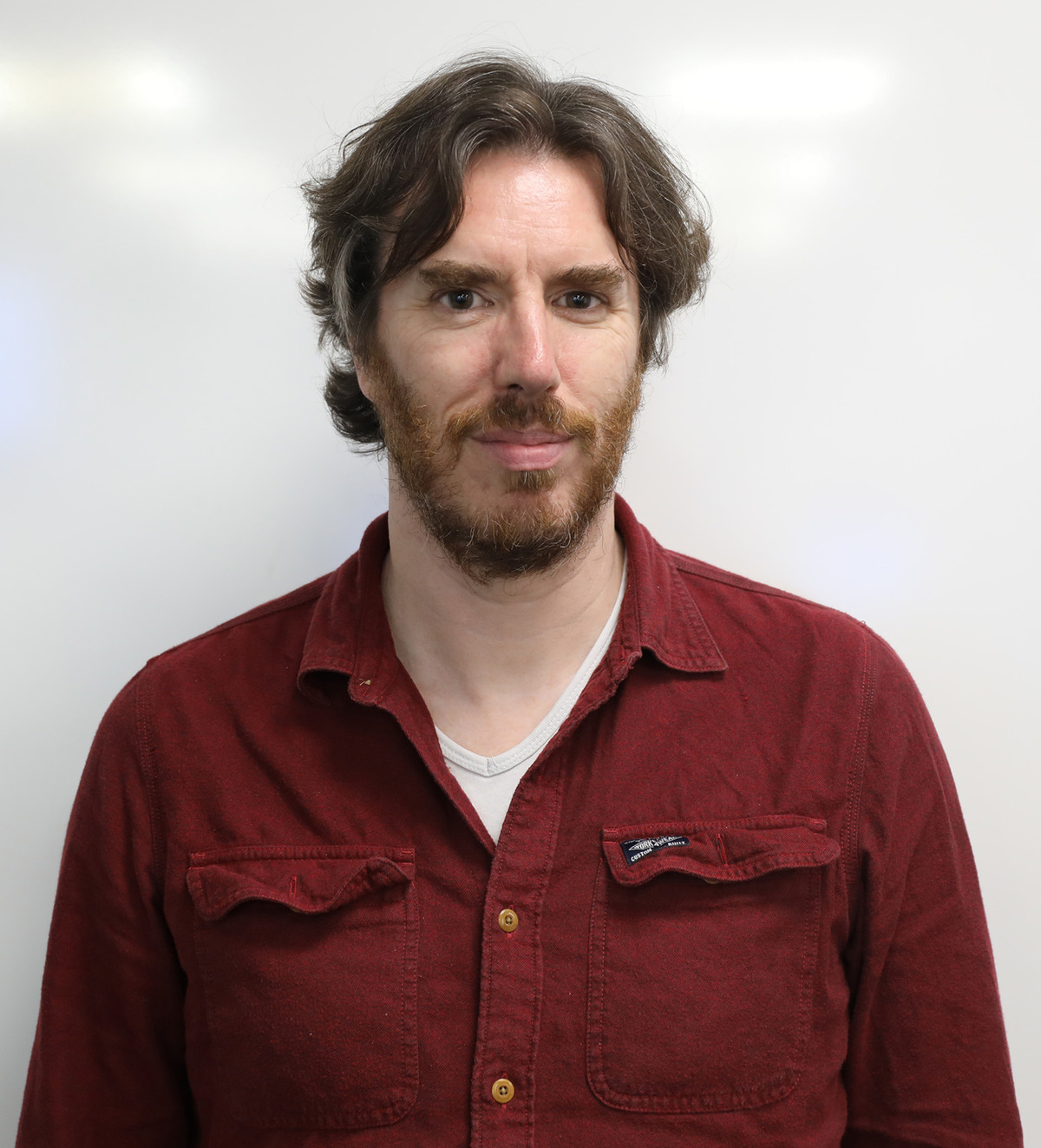
Agriland talked to Andrew Puiter, who runs the farm with his sister, Saskia Lynch, about opening up to the public, seasonal changes, and their growing animal collection.
Opening up
Like most open farms, Newbarn started off as a standard working one.
Andrew’s father, William Ruiter, ran a vegetable farm in St. Margaret's, near Dublin Airport, which eventually became one of the biggest broccoli farms in the country by the mid-1990s.
“My father got to stage where he could upscale, or could downscale and grow different crops and supply the public and the Dublin market instead of supermarkets,” said Andrew.
“My parents sold the farm and moved out to Ashbourne, Meath.
“Within a year of the house being built, [my parents] opened the vegetable shop - they were selling straight to consumers and the market.
“The shop was there by itself until 2011, when we opened the restaurant onsite. Then, after we opened it, we developed it out more.”
Andrew now runs the farm and shop in Ashbourne, while his sister, Saskia Lynch, runs the café.
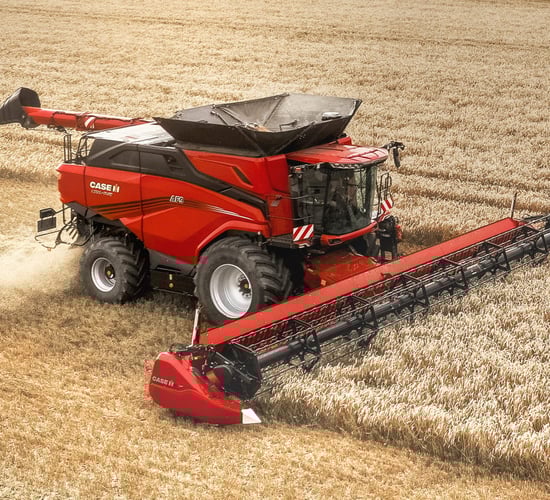
“We’re still a working farm,” he said, “with about 25ac of food crops - brassicas, onions, leeks, beetroot, scallions, and potatoes.
Neddy the donkey
Their first animal to make friends with visitors was Neddy the donkey. He also inspired the name of their café, Neddy’s.
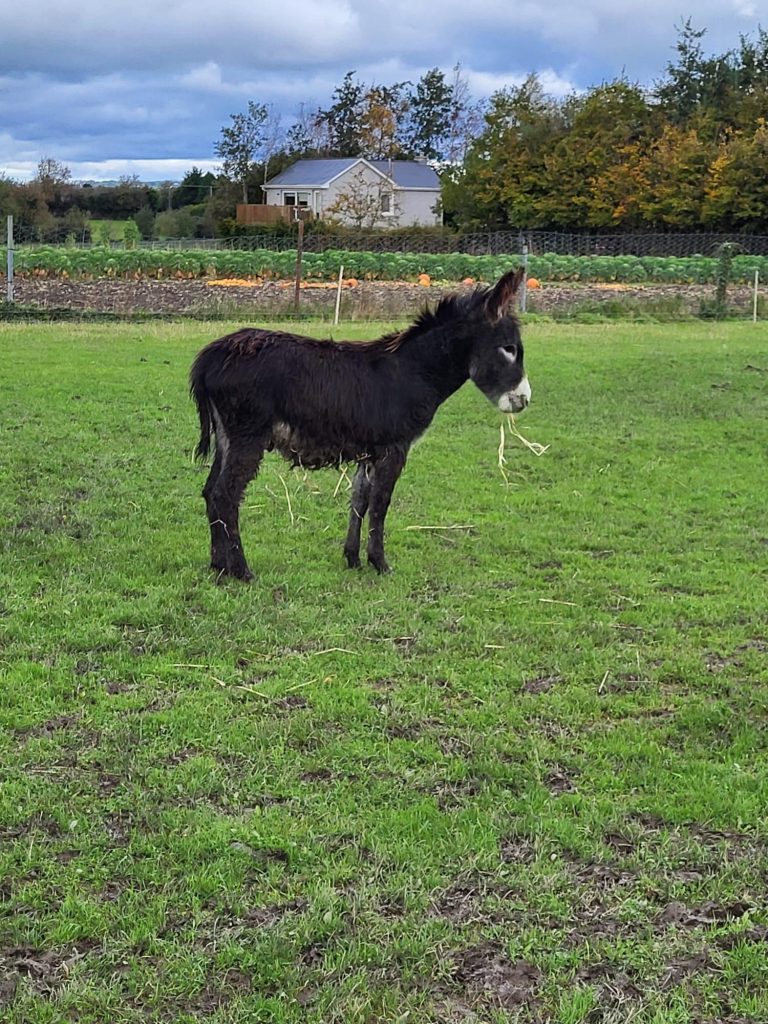
“We kept him in the front garden and people would come up and say hello,” said Andrew.
“As years went on, we accumulated new animals.
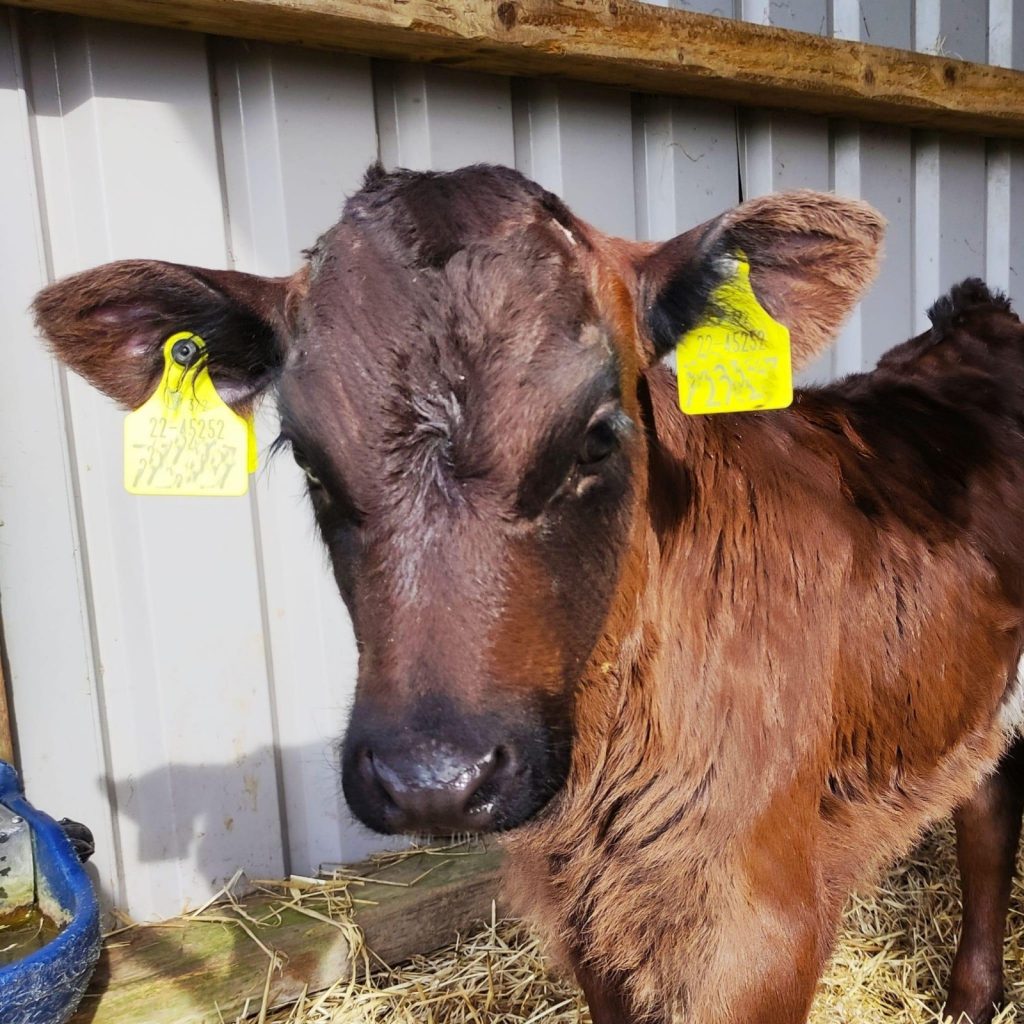
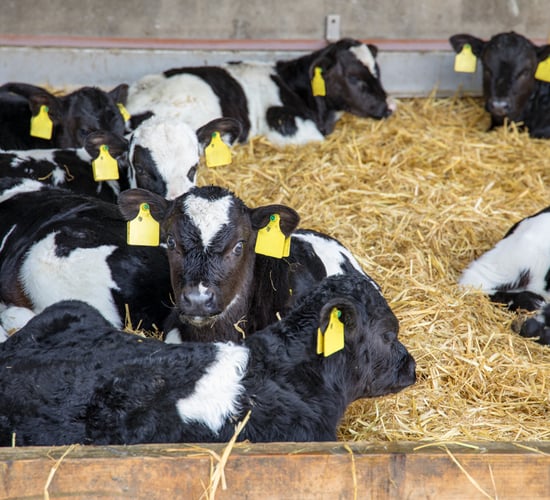
“We’d always have a cow a year, and kept them for summer and passed them onto a friend.
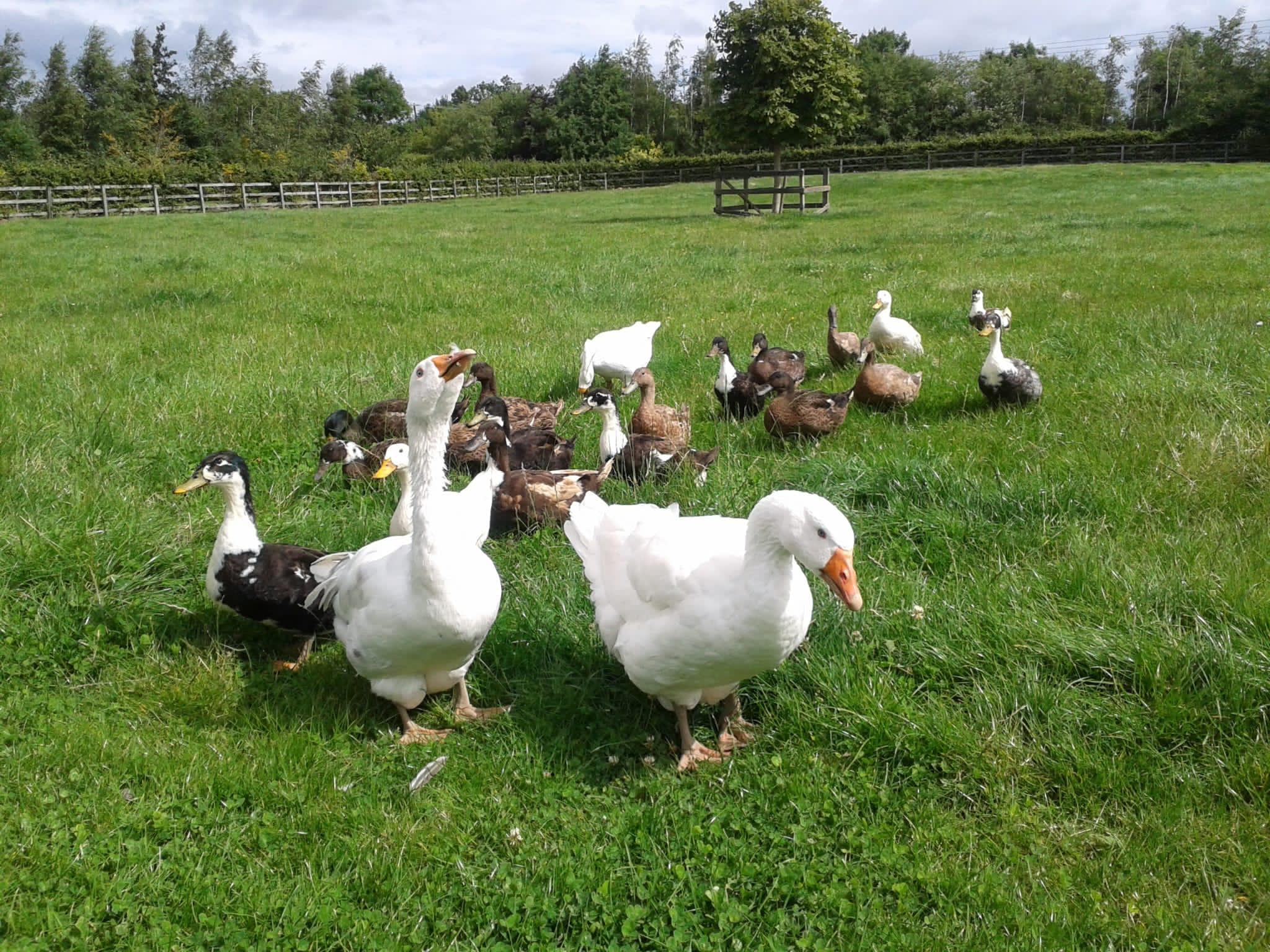
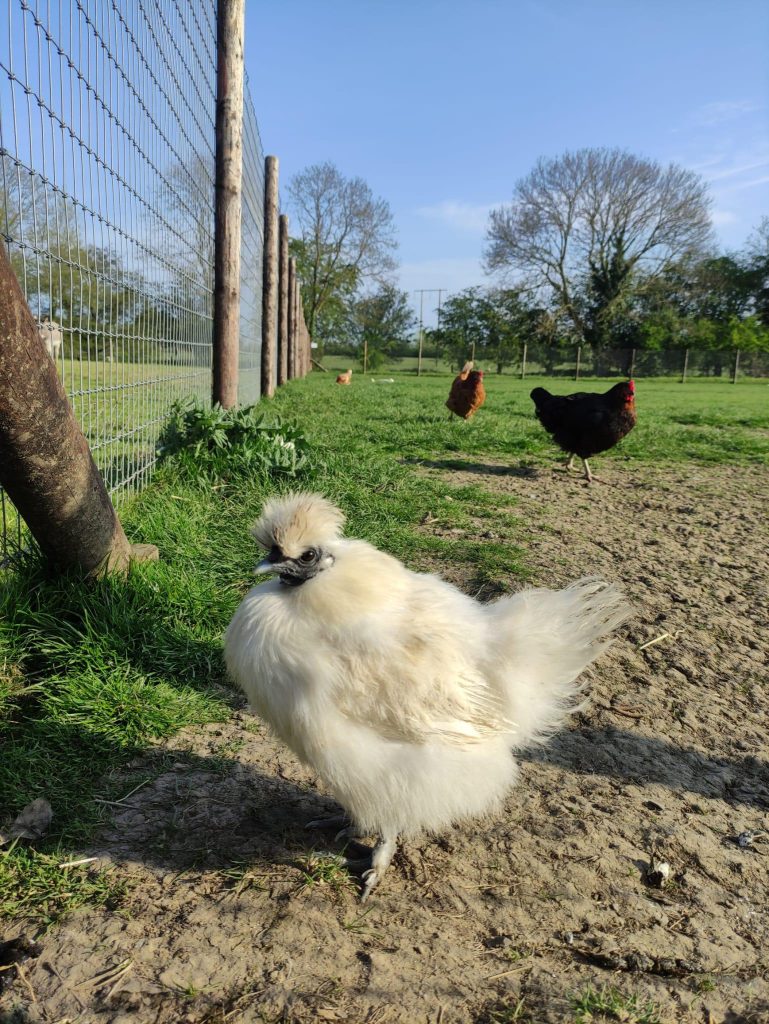
“And we always had a flock of chickens – we’d sell our own eggs. So we have chickens, ducks and geese."
Andrew noted that having the birds was an attraction for children.
"When they’d come with parents to shop, kids would feed the animals. So we were offering something extra for the customers of the shop," he explained.
Meanwhile, the animal collection grew over the years.
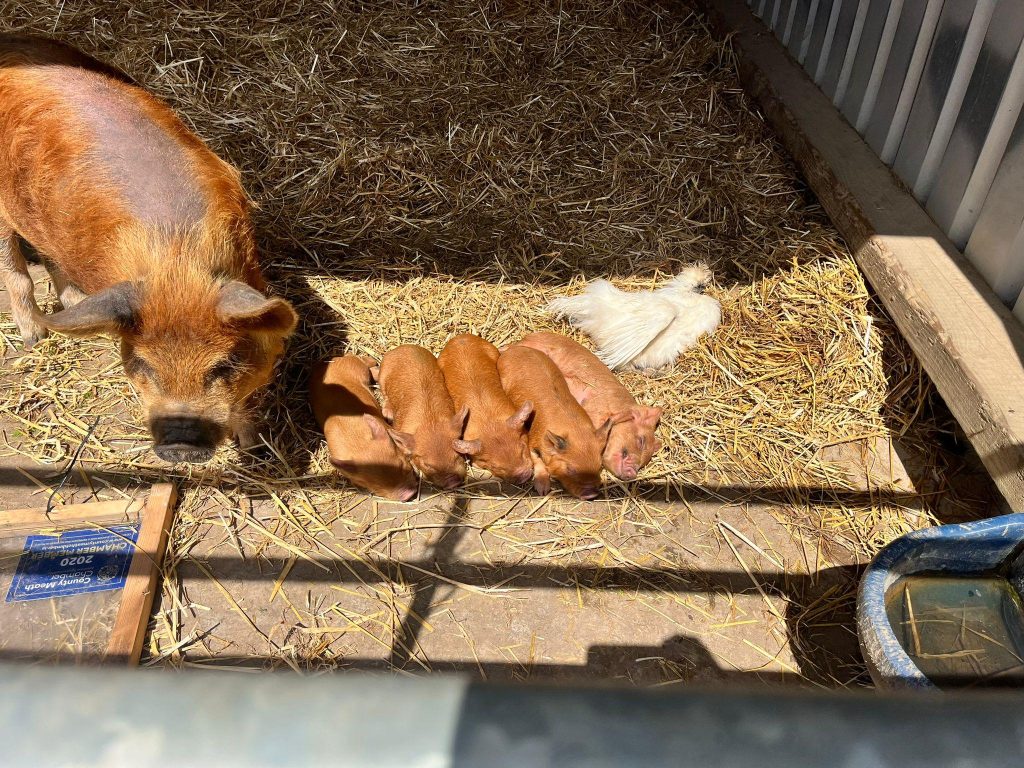
“We cordoned off part of the field and have a path and an area for our animals,” Andrew said.
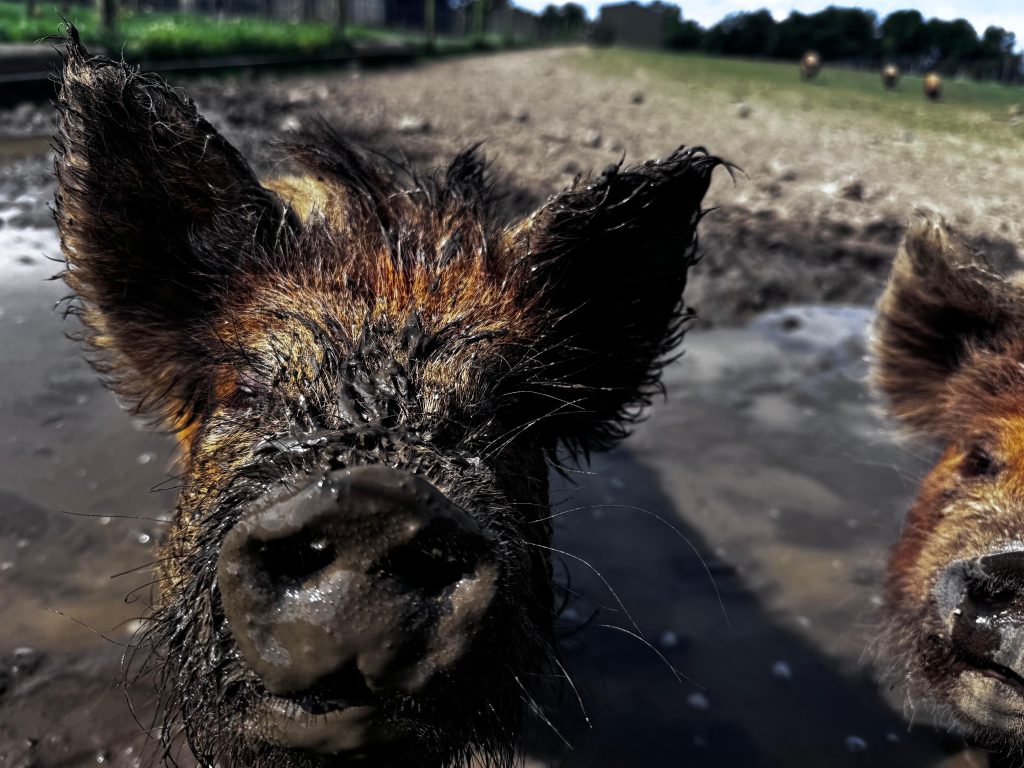
“We have a chicken run, a paddock, another donkey - so that’s two now - goats, loads of pigs and a Shetland pony."
He said building up this collection of animals was all done for the same reason – to make the place a destination to visit as well as a restaurant and shop.
“On a Saturday morning you get a lot of parents with young families, especially in summer months - it’s a great way to kill time, get a coffee, go for a walk, feed animals.
“The animals have always been used to bring customers up," he said.
Seasonal
Having a vegetable shop, farm, and café onsite means being able to adapt to seasonality.
“The soups are all made out of our own vegetables,” Andrew said.
“And the chicken pie has our own carrots and turnips, and we’re serving a lot of cauliflower soup at the moment.
“There are different homemade cakes - we change them for the season too - mince pies and pudding now. And on the savoury side we have a turkey, ham and stuffing sandwich.
“And we have Christmas trees...”
Unsurprisingly, their vegetable shop follows seasonal patterns too.
“And then we push our own veg,” Andrew said.
“We offer a box of our own homegrown vegetables, which right now would be cauliflower, turnips, leek, onions, and carrots. A box of that is €4.
“This year I found that we’re selling more of our own homegrown stuff. There’s been a big push to buying local vegetables.
“While we grow a lot of vegetables ourselves, there a lot of local tomatoes, apples, strawberries, cucumbers, from nearby farms [for sale in the shop].”
Educational value
Farming is a less common career in Ireland than it used to be, especially in Dublin. So, open farms provide consumers an opportunity to get up close with agriculture.
“I think it’s a great eye opener,” Andrew said.
“People don’t get close to animals anymore.
“Years and years ago, there was a farmer in every family - not now. Going to see the animals gives a good perception of farms.”
The public eye
Open farms offer opportunities – Andrew’s uncle even has a glamping one – but also challenges.
Andrew advises that farmers be prepared before opening their gates.
The gap between public perception and reality can cause problems, for instance.
On one occasion, they had a rescue pig that walked with a limp that it had acquired long before joining Newbarn farm.
But they had to get rid of it because members of the public complained too often to authorities.
Still, Andrew admits that site visits by authorities are not an issue if the animals are well treated.
“Once [authorities] come out and see it’s fine, they’ll chat and then go home, they’re happy to see animals are well taken care of,” he said.
“Opening to the public is hard. It is a full-time contribution,” he admitted.
“Make sure all your ducks are in a row before even thinking about opening.”