New legal report reveals seed network potential for Irish farmers

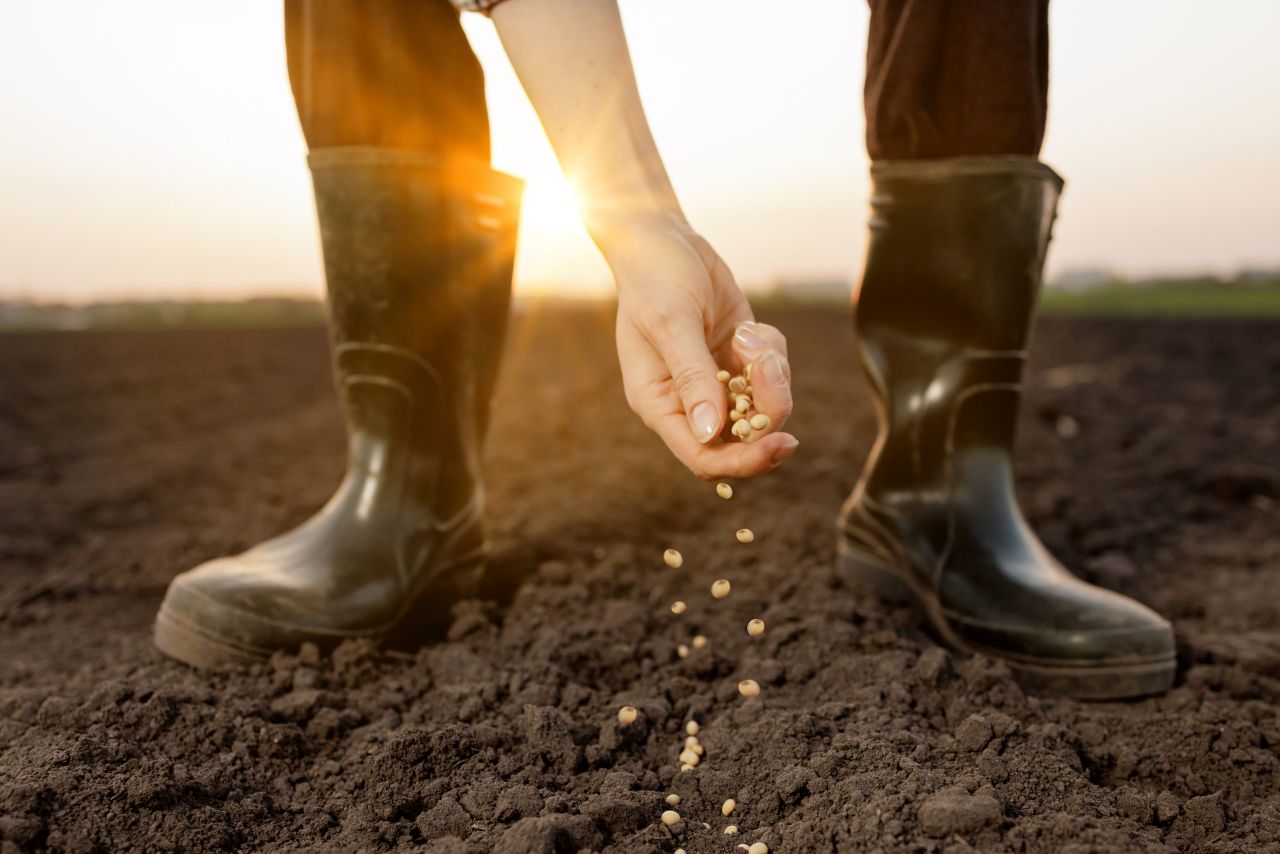
A major, new legal report has been released today (Friday, June 12) which sets out for the first time how farmers could "lawfully" establish an organic heritage seed network.
The report by the Irish Seed Savers Association (ISSA) and the Climate Bar Association examines the challenges facing farmers and growers who might want to establish this type of network.
It looks at the regulatory landscape under Irish and EU law and identifies the key legal barriers.
The new report also dives into the opportunities facing farmer-led seed exchange initiatives, and outlines two practical pathways for creating a membership-based organisation that supports the conservation, exchange, and development of organic heritage seed.
According to the authors of the report - The Legal Implications of Making the Organic Heritage Seed Network Available to Farmers and Growers in Ireland - farmers are currently reliant on seed from justfour agrichemical multinationals.
They also highlight that between 1900 and 2000, nearly 75% of global agricultural crop diversity was lost.
There is also a warning that a further 22% of "wild relatives" of key food crops may vanish by 2055 due to climate change.
Seed challenges
Currently according to the ISSA and the Climate Bar Association EU legislation restricts the commercial sale of uncertified, heritage, and farm-saved seeds.
There are also rules governing Irish plant breeders’ rights, whichconfine farm-saved seed to propagation on the farmer’s own holding, and by plant health legislation.
They believe this creates a complex legal landscape for anyone who wants to build local, sustainable food systems using organic and open-pollinated varieties.
Because informal structures, including seed clubs or closed-loop memberships, do not by themselves provide a legal basis forcommercial sale.
According to the ISSA and the Climate Bar Association if anyone is found to be in breach of current legislation and rules there are serious repercussions including fines up to €250,000 and or up to three years in prison.
But the authors of the report also believe an Irish organic heritage seed network "is legally achievable, provided it is established as a compliance-led operation".
They have identified two viable legal ways to make this happen via:
- The Organic Heterogeneous Material (OHM) framework - which offers the greatest flexibility for diverse organic populations;
- The Conservation Variety route - which be narrower, for named local heritage line.
The authors of the report released today have cautioned that Ireland’s food system faces "growing threats from climate disruption, geopolitical instability, biodiversity loss and dependence on global supply chains".
According to the ISSA and the Climate Bar Association it is against this backdrop that they believe organic, open-pollinated, and heritage seeds provide a basis of local, sustainable food systems.