Irish Dairy's Grass-fed Strength

In this Inside the 2026 Quality Milk Awards: Meet the Finalists series, we meet the farms nominated by each of the dairy co-operatives and discover their stories.
In this fifth episode of the series, we meet the Loughreys from Multyfarnham, Co. Westmeath, who were nominated by Lakeland Dairies; and the Buttimers from Lyre, Co. Cork, who were nominated by Lisavaird Co-op.
Loughrey Farm - Lakeland Dairies
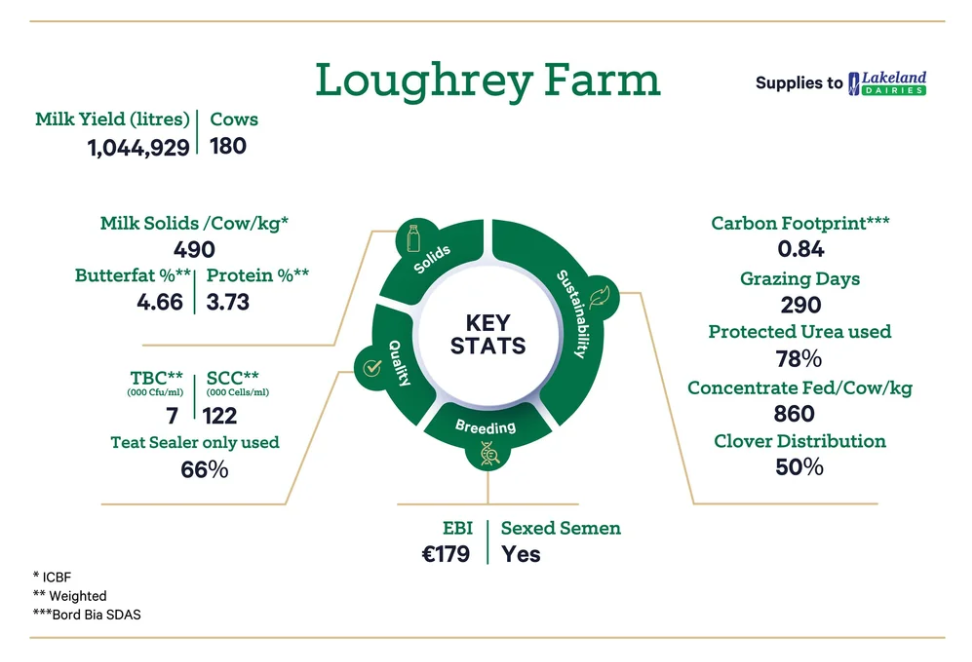
Two cows in the 180-cow Loughrey herd carry a significance out of all proportion to their numbers. They belong to 12-year-old Tom.
His father, Tomás, pays the feed bill and does the work, but the milk cheque, calculated from the cows' recorded annual yield and the average milk price, is Tom’s.
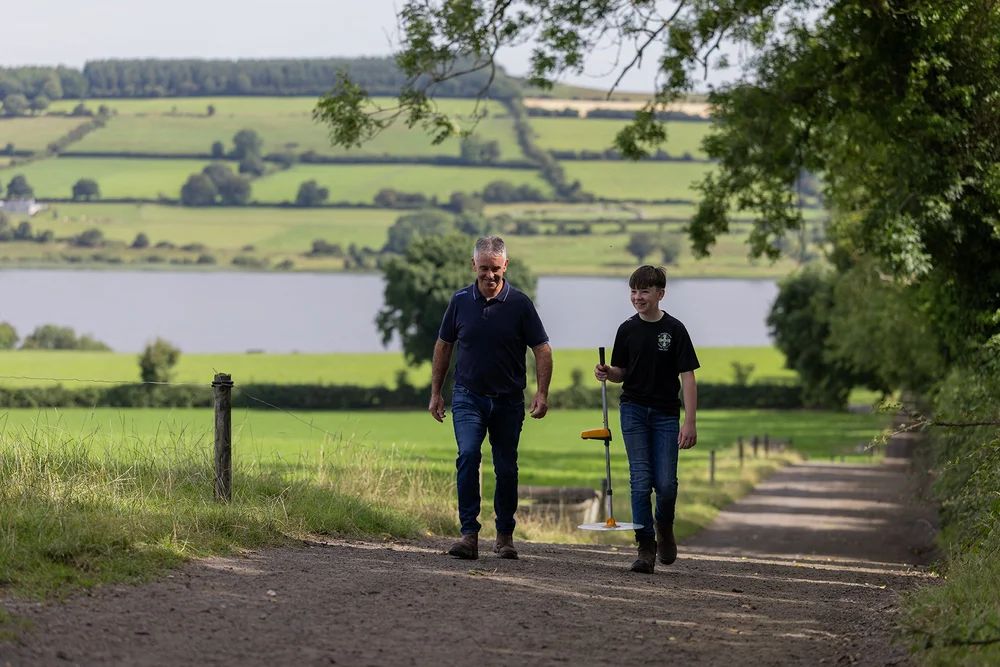
On the day of the judges’ visit, young Tom was as ready as anyone to explain what was happening at each stage of the farm walk.
On many farms, succession is a hope for the future. At Ballinredra, it has already begun, two cows at a time.
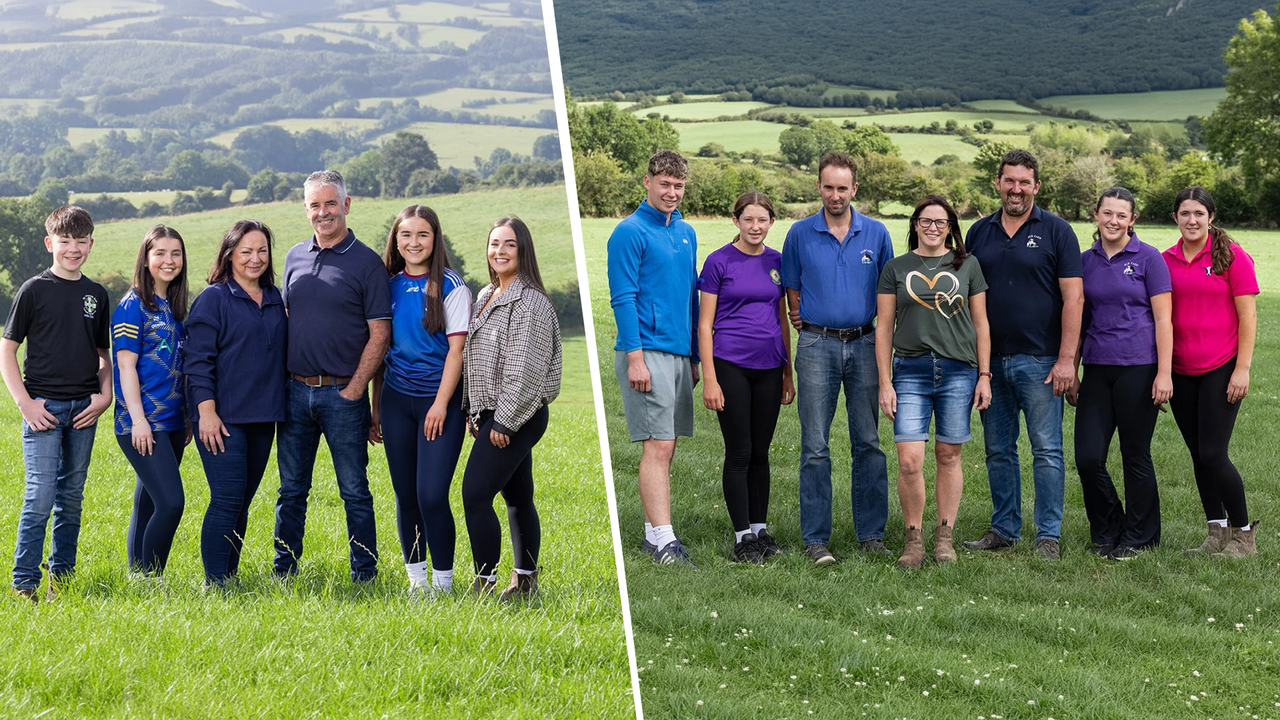
The Loughrey farm is run by Tomás and Margaret, along with their four children, Emer, Hazel, Claire and Tom.
The Loughreys have farmed this ground since 1823.
Tomás is the fifth generation, and the fifth Tomas Loughrey, to farm at Ballinredra, and he makes no secret of his ambition:
He said: “I hope to pass it on to the sixth.”
Thomás took over in 2006, when the herd numbered 60 cows.
His father had established the dairy enterprise in the mid-1960s and rebuilt it after a brucellosis depopulation.
Following the end of milk quotas, Thomas expanded in stages, first to 90 cows, then 140 and now 180, leasing an additional 36ha and constructing two underpasses to join the grazing block safely and efficiently.
The 2025 average TBC was 7,000 cfu/ml and average somatic cell count (SCC) was 122,000 cells/ml, while fat and protein averaged 4.66% and 3.73%.
The chlorine-free dairy is now washed by a Dairymaster automatic system installed in early 2026.
Breeding is based on artificial insemination (AI), with sexed dairy semen directed to the best cows and heifers for Economic Breeding Index (EBI), fertility and milk solids; the remainder are matched to selected beef sires.
The male calves have regular outlets to three farmers, whose feedback helps decide which beef breeds to use.
The herd averages 3.7 lactations; one cow is milking in her ninth, and only 8% were empty last year.
Grass is the engine of the system. Thomás measured it 37 times last year, using PastureBase to turn covers into decisions.
Cows are usually out within 10 days of the start of calving, at grass full-time by St Patrick’s Day and grazing for about 290 days.
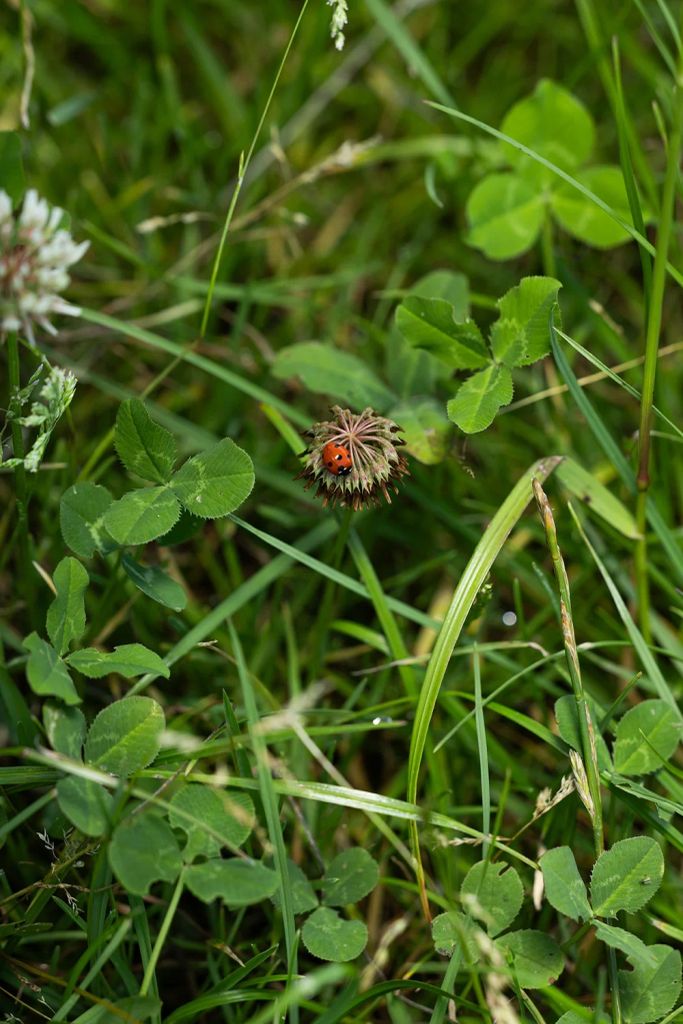
Clover is established on 50% of the platform, while soiled water is targeted to the strongest clover swards to reduce chemical fertiliser further.
With 78% protected urea, all slurry spread by low emissions slurry spreading (LESS) equipment and 108t of lime applied in 2025, the farm’s carbon footprint is 0.84kg CO2 equivalent per kilogram of milk, one of the lowest among this year’s finalists.
Environmental work here is not confined to the fields that produce grass.
Half a hectare by the lakeshore and 2.5ha on the outfarm have been set aside for nature.
Two ponds provide habitat for ducks and frogs, 120m of new hedge were planted in 2025, and a 3ha critical source area has been fenced and managed through an European Innovation Partnership (EIP) project using water bars, a sediment trap, and controlled drainage.
The family have also welcomed a wider catchment-restoration initiative focused on the River Gain at the outfarm.
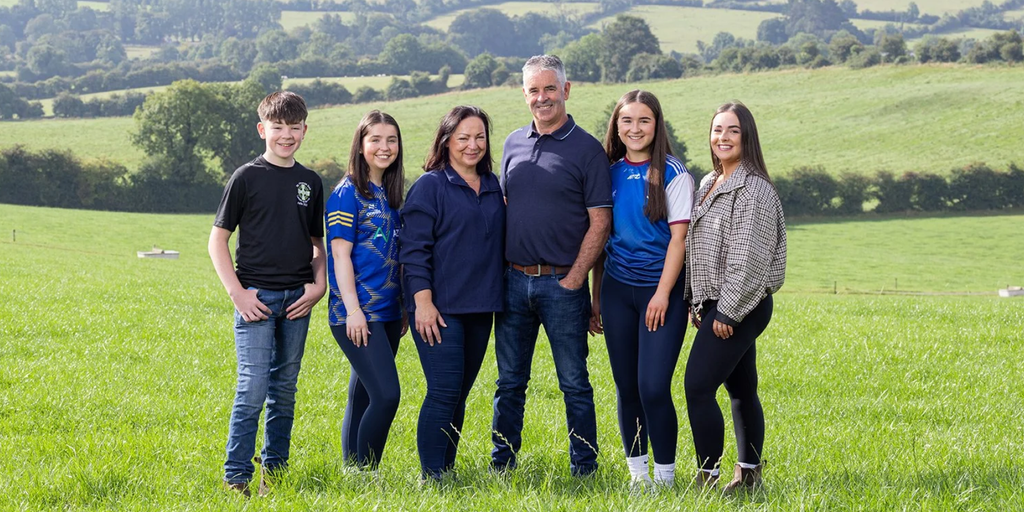
The farm is unmistakably a family enterprise.
Margaret keeps the administration moving.
Emer, newly qualified as a primary teacher, Hazel, who is training to be a primary school teacher at Dublin City University (DCU), and Claire, who hopes to study agriculture, all help with calves; Claire and Tom also take turns in the milking parlour.
Willie, the full-time employee, completes the team.
The Loughreys’ achievement is not simply that five generations have remained on the same ground.
It is that each generation has left the farm more capable for the next.
Buttimer Farm - Lisavaird Co-op
If you want to understand the Buttimer farm, don’t begin in the milking parlour. Begin in the calf shed.
There is no sting of ammonia and no damp bedding, just clean straw, warm milk, and the quiet attention that gives young animals the best possible start.
"Dry beds are the secret to healthy calves" is one of the simplest rules on the farm, and it is followed with conviction.
Darren and Caroline Buttimer milk 240 cows at Knockskeagh, outside Clonakilty, on land that has been in the Buttimer family since the 1960s.
Darren’s father, Ernest, and his four brothers came from Rossmore and purchased several farms within a 10-mile radius, establishing a family farming tradition that continues today.
Darren joined the partnership in the early 2000s and took over the farm fully in 2007. His mother, Diana, still lives just down the lane.
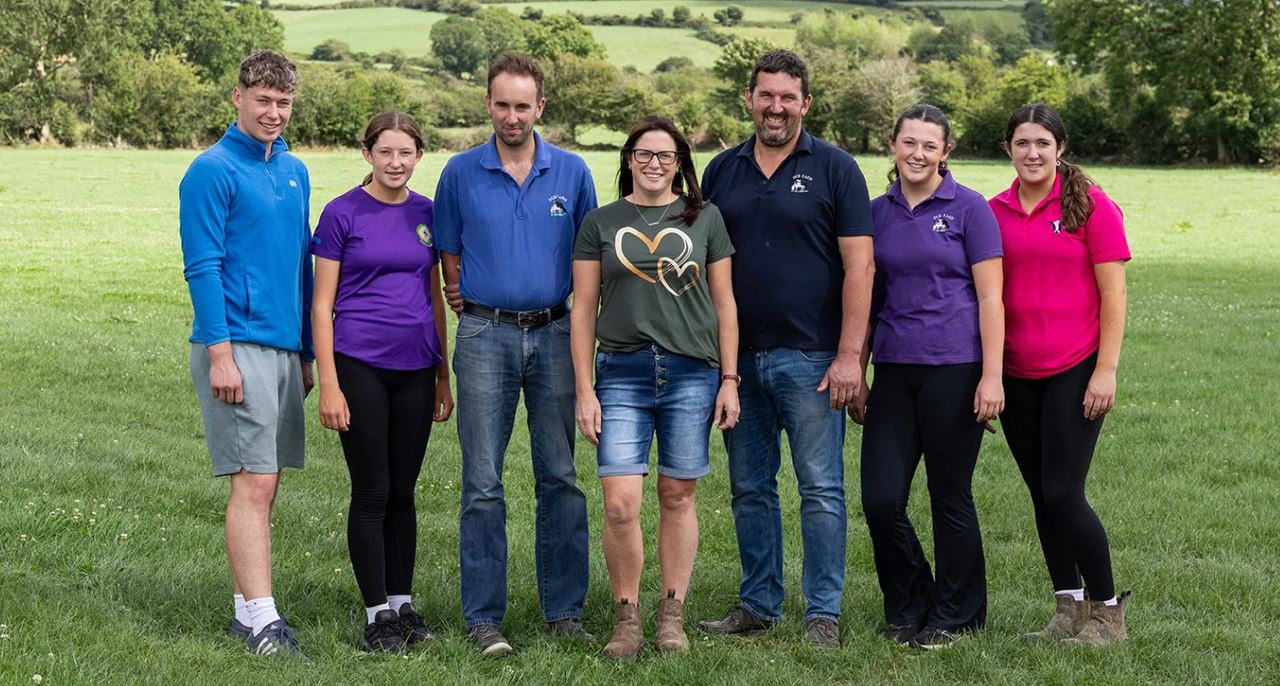
The Buttimer farm is truly a family affair. Every spring, Caroline and daughters Rachel, Leah and Hannah take responsibility for feeding and bedding the young calves.
Matthew, the eldest, helps with tractor work and milking during the busiest weeks.
At weekends, all four children can be found helping with the milking.
Today, the farm extends to 139ha, including a 75ha milking platform, and is run with the support of full-time farm manager Richard Roycroft.
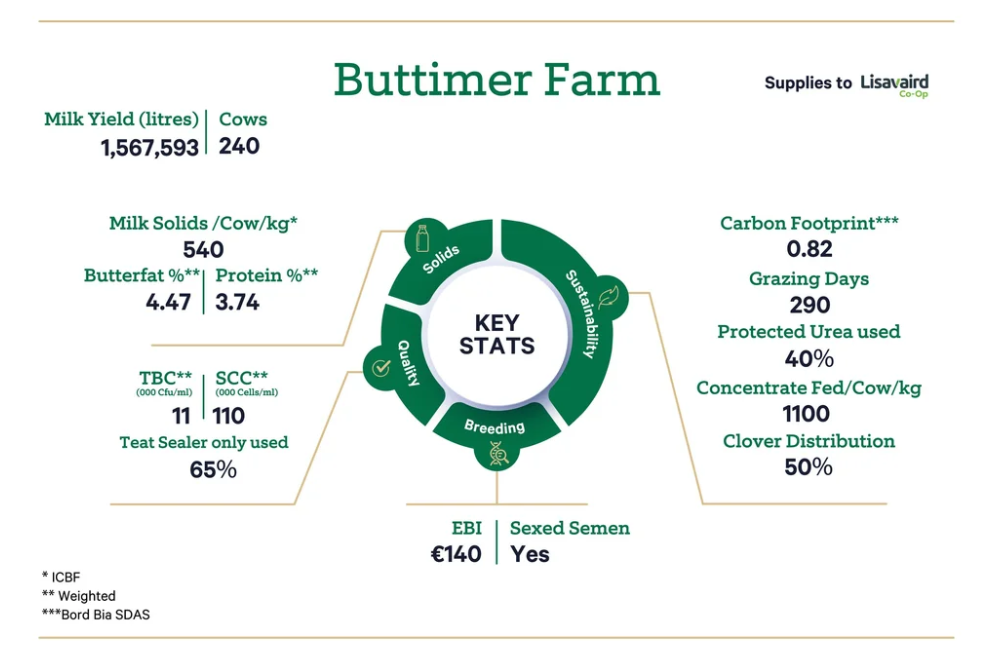
The herd produces approximately 6,400L and 540kg of milk solids per cow, at 4.47% fat and 3.74% protein, from around 1.1t of meal.
Behind those figures lies exceptional reproductive performance.
Outside the yard, the farm’s carbon footprint score of 0.82 kg of CO2 equivalent per kilogram of fat and protein corrected milk (FPCM) reflects years of practical improvement.
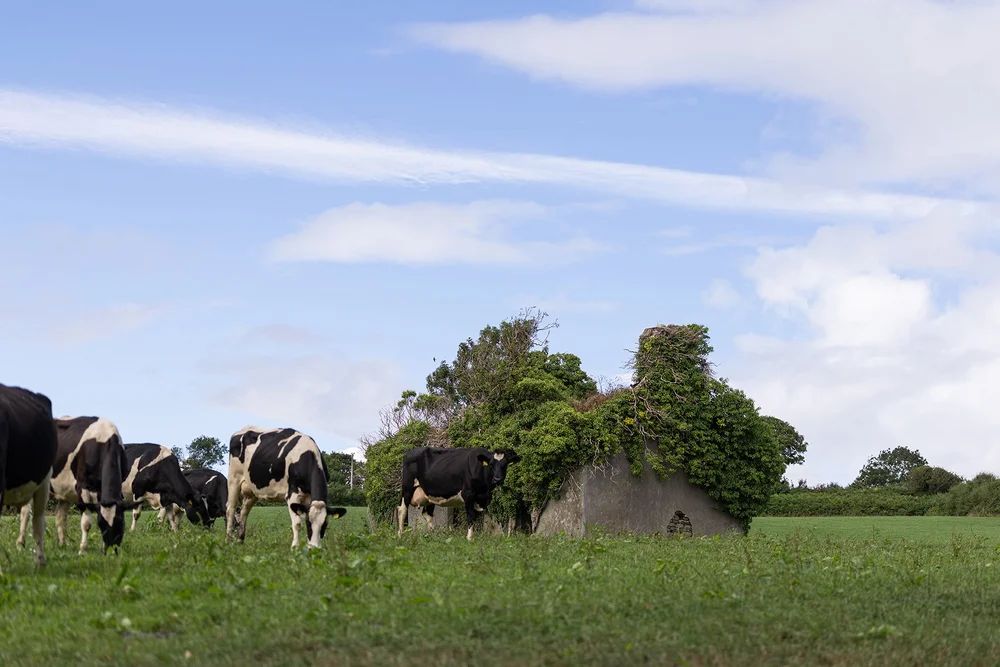
Cows spend approximately 290 days at grass; clover has been incorporated into half of the grazing platform and protected urea, low emissions slurry spreading (LESS) equipment and GPS-controlled fertiliser application are used to reduce emissions and improve nutrient efficiency.
Yet perhaps the most impressive achievement is that this performance has not been allowed to consume family life.
Milking is finished by 6:30p.m so that evenings remain available for the family.
Darren coaches underage GAA, while Caroline coaches' girls’ soccer, plays with the local ladies’ team and serves on the board of Clonakilty Community College.
The family takes a holiday each year and uses quieter weekends to get away together.
Darren said: "It’s a great quality of life.
"There are two busy seasons, but once calving and silage are done, things ease up and you can take time off."
That willingness to look beyond their own farm was demonstrated again when the Buttimer's hosted an open day on July 30, opening the gates and sharing their system with fellow farmers.
It is an important ambassadorial quality: confidence in their own standards, combined with a readiness to help others improve.
More information on all the finalists is available on the Quality Milk Awards YouTube page.
The Inside the 2026 Quality Milk Awards: Meet the Finalists series is a collaboration between Agriland, the National Dairy Council and Ornua