
NDC Farmer Ambassador Series
NDC Farmer Ambassador Series: 'It's really important we challenge the perceived narrative'
Agriland Media Group is pleased to collaborate with the National Dairy Council (NDC) on a series of articles on the Farmer Ambassador programme, in which farmers actively work with the NDC to educate the general public about dairy farming, sustainable farming practices, nutrition, and the realities of farm life.
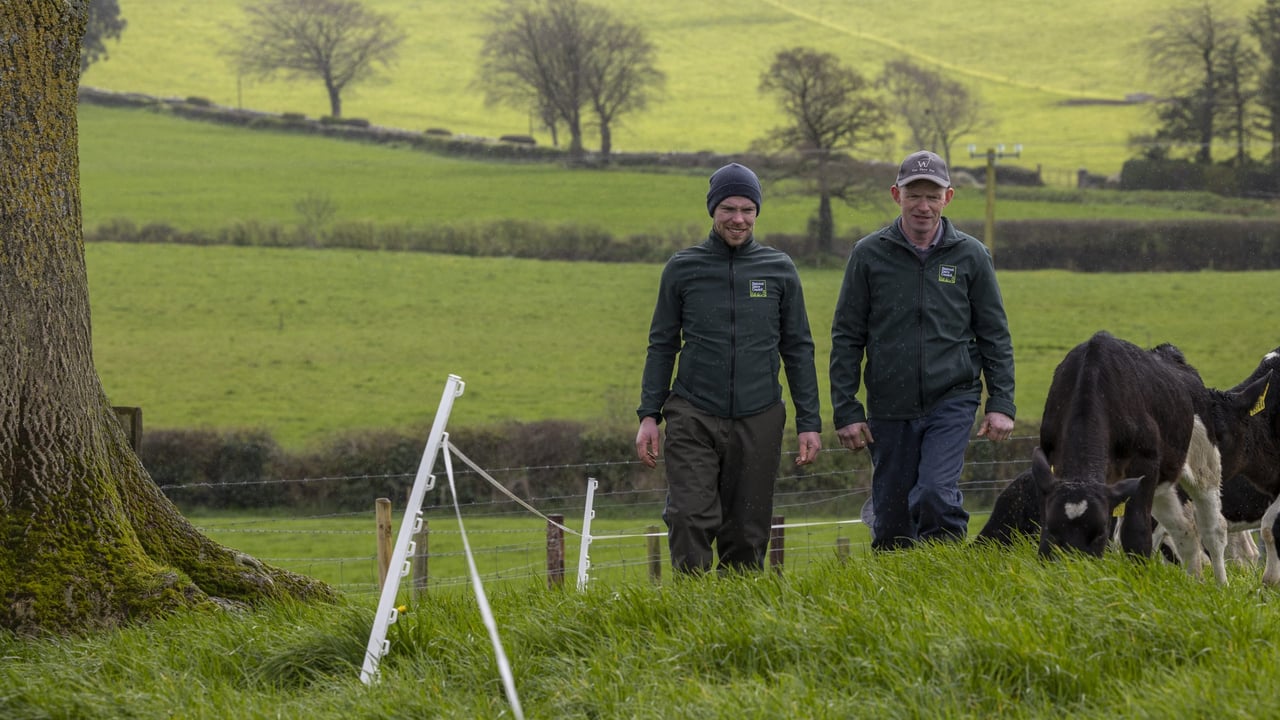
In this second instalment of the 'NDC Farmer Ambassador' series, we meet Co. Tipperary-based dairy farmer Brendan Walsh, a seventh generation farmer managing his 107ha family farm.
Having developed an interest in farming and agriculture, Brendan pursued this passion by studying Dairy Business at University College Dublin (UCD) before returning home to take over the day-to-day running of the farm.
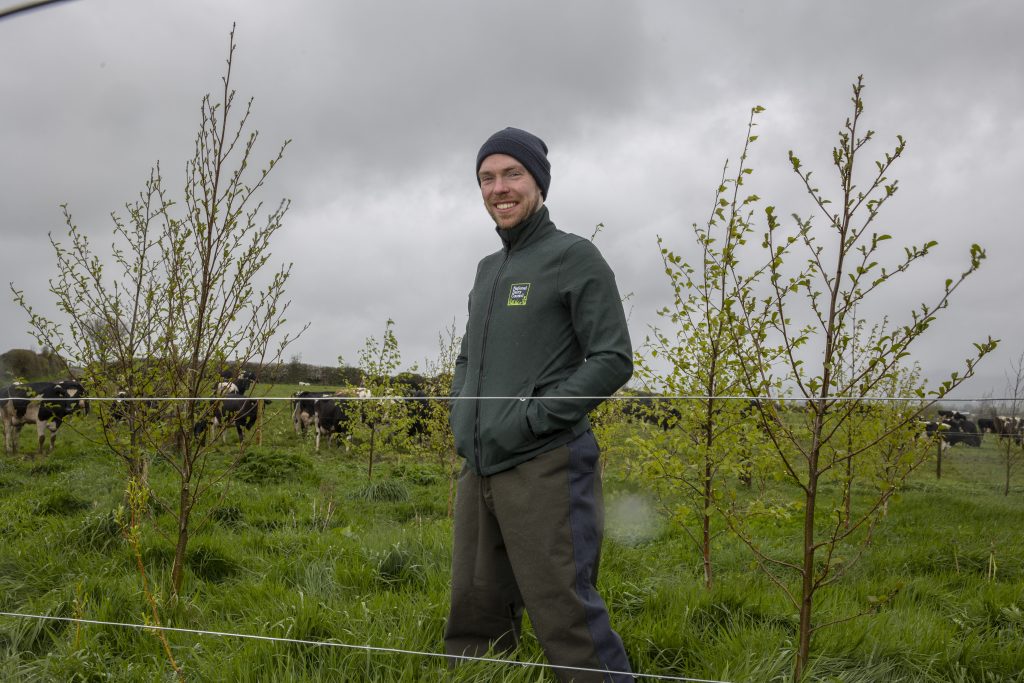
Committing to a life in farming is no small decision, but it was always the path Brendan wanted to follow.
As a result, the farm succession plan has already been formalised, and Brendan is now technically the owner of the Ballylooby farm enterprise, and is a supplier to Dairygold Co-op.
Becoming a NDC Farmer Ambassador
Brendan became a farmer ambassador with the NDC around three years ago, an opportunity he feels came on the back of winning the NDC and Kerrygold Quality Milk Award in 2017.
Since then, he has worked closely with the NDC on initiatives aimed at improving public sentiment around Irish dairy farming with a particular focus on how the general public perceive farmers to protect the environment.
To learn more about Brendan’s farm and the Farmer Ambassador Programme, click here.
The NDC advocates for dairy farmers, and one way of doing this is through the Farmer Ambassador programme.
In 2022, just 47% of the population said they trusted Irish dairy farmers to care for the environment.
By November 2025, that figure had risen to 74%, marking a 2% increase since May of this year.
The increase in percentage shows that NDC messages are cutting through, using positive, evidence-based stories of dairy farming told directly by farmers.
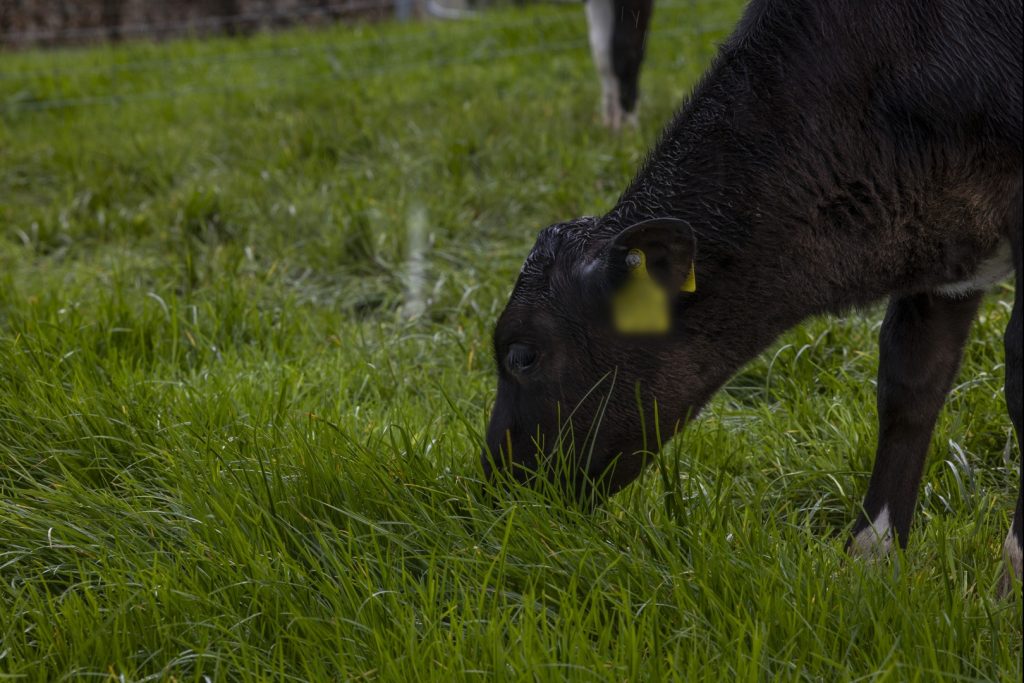
Ultimately, the credit lies with the dairy farmers themselves, who have worked tirelessly to implement on-farm measures that ensure high-quality milk is produced in an increasingly sustainable way.
“I was happy to get involved and act as a voice to help change public perceptions,” Brendan explained.
“I’ve been involved in a range of projects with the NDC, including being the voiceover for the Grassroot Movement radio advertisement.”
The ad aired across local and national radio stations, helping to reach audiences with little or no farming background.
Brendan believes this is crucial in bridging the gap between the farming community and non-farming consumers.
“When people aren’t connected to farming, they’re more likely to rely on flashpoints they see on social media.
“A lot of the time, that’s misinformation about the sector, so it’s really important to challenge those narratives and educate,” he said.
Brendan feels the vast majority of the public are genuinely interested in farming and food production but don’t always know where to access reliable information.
“Most of my ‘home’ friends are from the town and aren’t farmers,” he added.
“They’re often the ones asking the most questions about what’s happening on the farm—and once you start talking, you’d be surprised how interested they really are.”
European Milk Forum
As a NDC Farmer Ambassador, Brendan had the opportunity to represent Ireland at a roundtable event for young dairy farmers, hosted in Brussels by the European Milk Forum.
Brendan discussing sustainability and highlighting the role of young farmer leadership.
The roundtable event, organised by the European Milk Forum as part of a three-year multi-country programme called 'Sustainable Yogurt', provided a platform for young dairy farmers from across Europe to exchange ideas, share innovations, and discuss best practices.
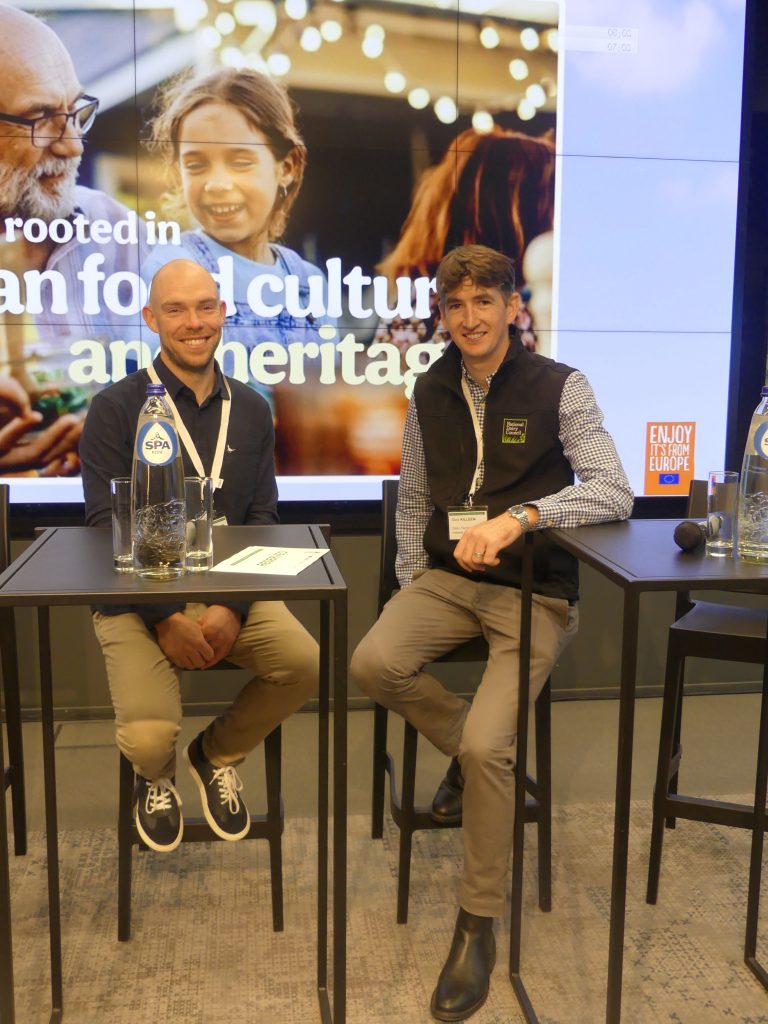
"It was bringing together young farmers from around Europe," Brendan said.
"We talked about our experiences around three different topics; so, there was innovation, there was succession, and the third one was farming's role in society."
The event was structured over one or two days with themed roundtables, and experts were invited to speak on specific subjects.
Its aim was to demonstrate the cohesion of the European dairy sector and its efforts toward more sustainable production methods.
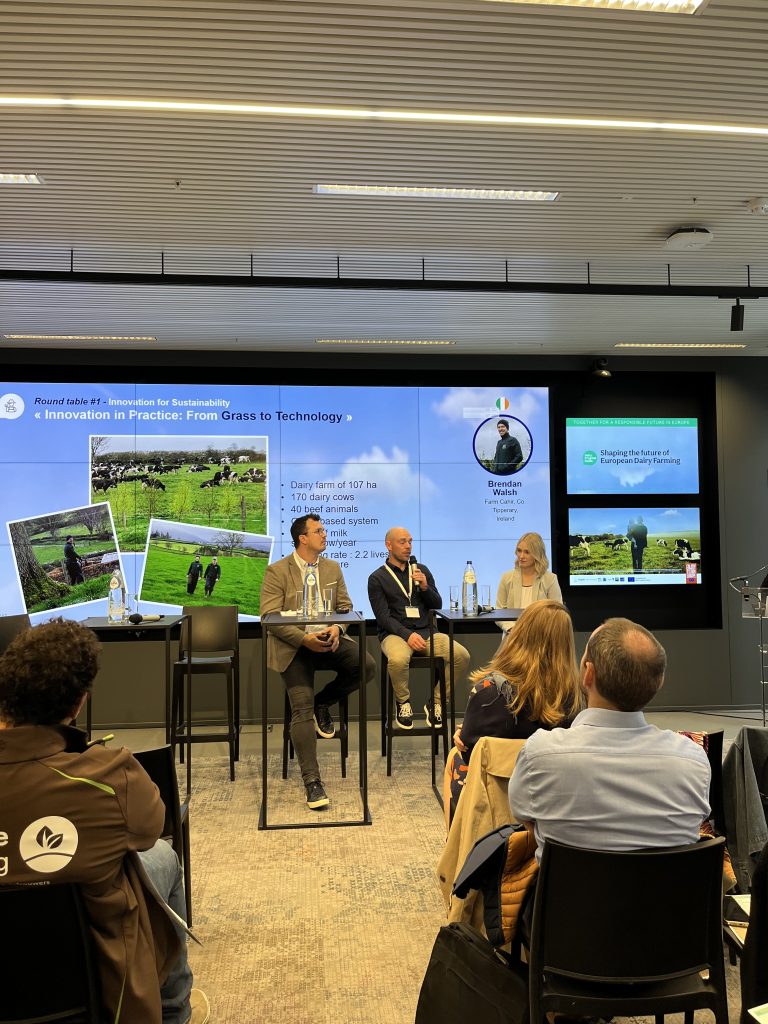
The event took place in Brussels, with experts and farmers from Belgium, Denmark, Germany, Ireland, and France attending, including representatives from the Food and Agriculture Organization of the United Nations (FAO) Global Youth Network on Sustainable Livestock Transformation, ARC Zero, and national livestock institutes.
Brendan also spoke about blending innovation, sustainability, and careful stewardship to maintain viable farms.
In terms of the innovation discussion at the European Milk Forum, Brendan explained that he mostly spoke about the benefits of introducing clover.
"It was interesting because most of the other discussions focused on the animal side. For example, the German representative was very interested in genomics, whereas grass wasn’t really a major topic of conversation there compared to the level of interest we see at home.”
As part of the NDC's 'Sustainable Yogurt' campaign, the programme also includes a 'Grass to Glass' series, which is now live.
This series, hosted by Miriam Mullins, explores the journey of Irish yogurt from farm to fridge, giving consumers an inside look at sustainable dairy production and the role of farmers in delivering high-quality, nutritious milk.
Clover
While speaking about the benefits of clover in Irish grassland systems, Brendan was able to demonstrate the benefits on his own farm in Co. Tipperary, which avails of the nitrates derogation.
Brendan said that winning the NDC, Kerrygold Quality Milk Award in 2017 really was the initial step in really moving the farm to a pathway of environmental sustainability, after which they joined discussion groups on sustainability and clover.
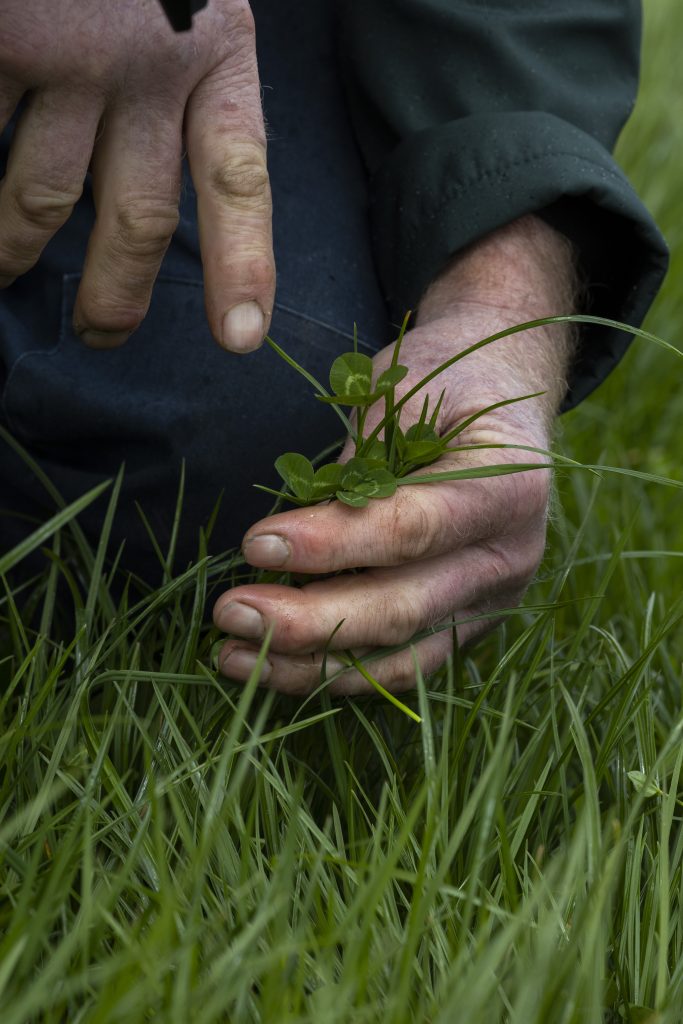
"The way we operate the farm is that we have grass paddocks that are the same as any farmer that isn't using clover.
"They get probably 250kg of N, and then we have grass clover paddocks that get no chemical N, they only get one or two applications of slurry," Brendan explained.
What Brendan has found as a result of operating this system is that when there is a slow down in grass growth, he can see that it is not a nitrogen problem; most of the time it is as a result of a lack of moisture in the summer.
"We went very much head-first into it [clover] at the start, we've had a few mistakes, but we're very much black and white - there is either enough clover in the field to put out zero chemical nitrogen or there isn't, we don't complicate it," he added.
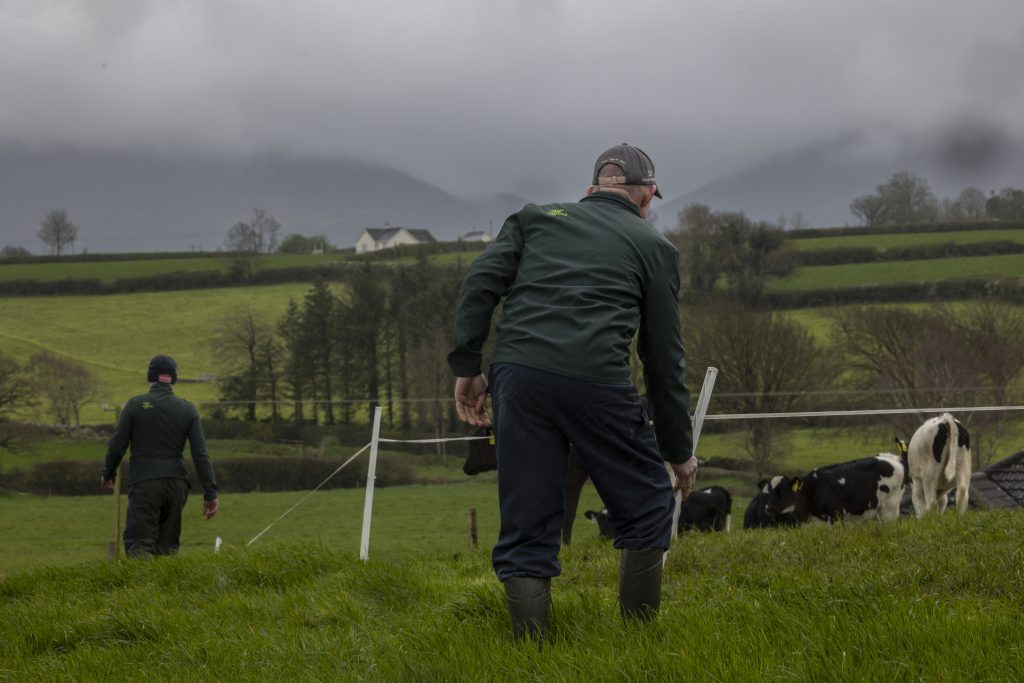
Brendan does not apply half rates of nitrogen at any stage of the year on the clover paddocks, emphasising that they are "either good enough or they aren't".
As a result, a total of 130kg of N serves the whole farm.
“Hearing from other countries at the event highlighted how fortunate we are in Ireland to have a grass-based system to implement the likes of clover and technology and how this can give us a strong competitive advantage when producing and marketing world-class dairy products," Brendan said.
To learn more about NDC’s work in 2025, click here.