Kerry farmers hit 3-decade milestone for dairy discussion group
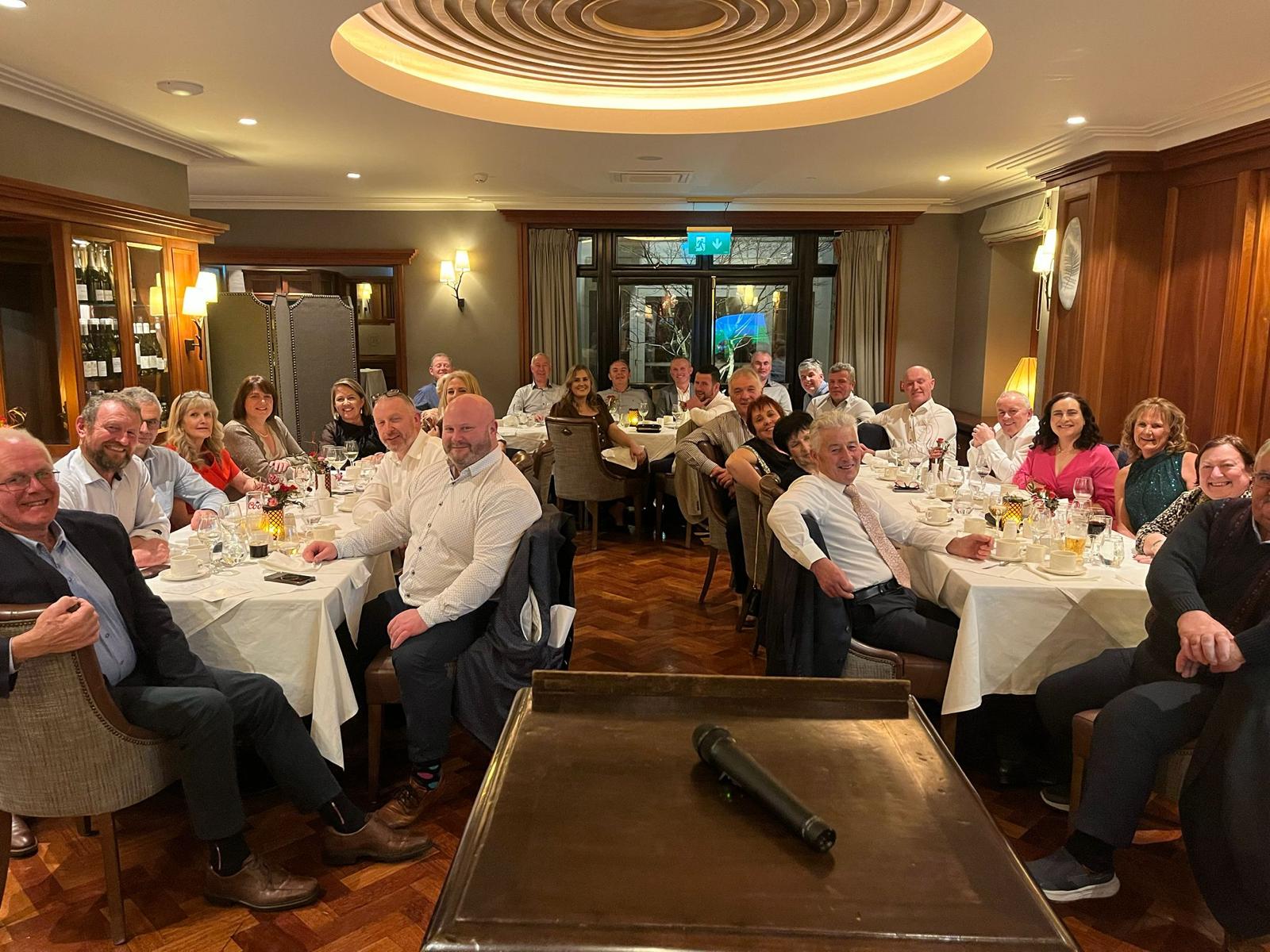
A group of farmers, neighbours and certainly friends are all part of a discussion group in Co. Kerry that has hit a significant milestone recently.
Among the key ingredients to their success over the last three decades are consistency, trust and a strong sense of community and comradery that they all share, members told Agriland.
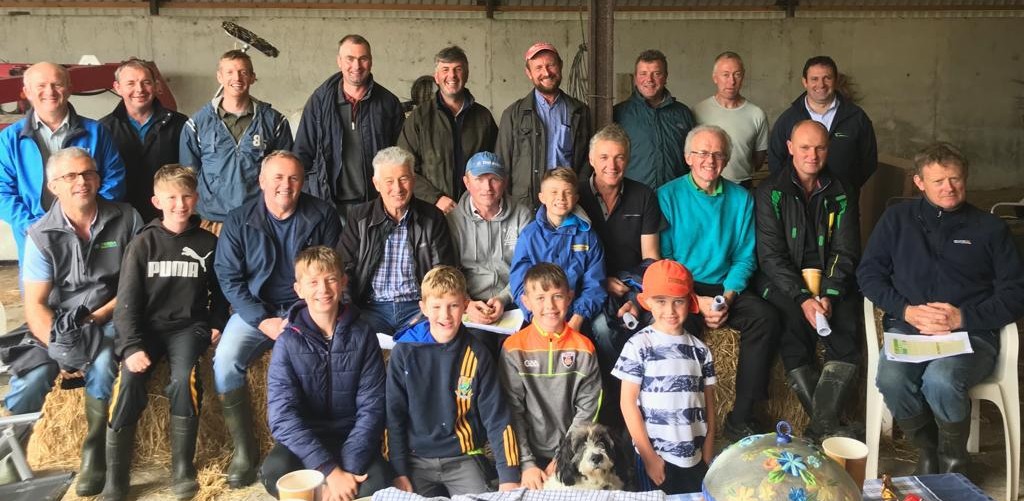
The CFS dairy discussion group in mid-Kerry currently has 17 members from the areas of Castleisland, Farranfore and Firies, Currow and Currans, Cordal and Scartaglen, Kilsarcan and Rathmore.
Discussion groups in general bring together local farmers who meet regularly - every month perhaps - such as the CFS dairy discussion group.
They discuss and learn about technologies and practices they can apply to their own farms.
30 years of CFS dairy discussion group
Members William Dennehy, John C. O'Connor and Tom Kelliher spoke to Agriland about the CFS discussion group.
The group was started at an event on the farm of Currow man William Dennehy in 1995.
"It was from there it grew. I was very fortunate when I started farming to be part of that group," Dennehy said.
"I have to say I owe an awful lot to the group, to be honest."
For the first few years, there were challenges with getting numbers up in the group.
People could also be slow to disclose their farm figures and details, with farm discussion groups still being a rather new concept.
Dennehy said that around that time there was a "big move" by founder of Kerry Group Denis Brosnan to get farmers interacting with each other more.
John C. O'Connor from Currans joined the discussion group around 2000, and has been secretary of the group in the past year.
O'Connor said when he and many others in the county started out in farming they experienced "fierce maverick people within Kerry" and got to benefit from the programmes and measures that were introduced.
For example, the Kerry Agribusiness and Teagasc's joint programme launched in 1994, which was seen as an innovative concept of peer-led learning and knowledge transfer.
This was the first such programme in Ireland.
Growth
The CFS dairy discussion group over time grew its participation numbers to 17-18, which it remains at.
According to Tom Kelliher from Firies, that is the maximum the group would go to because "it becomes a lecture group if you go any bigger".
Kelliher, who has been chairperson of the group in the past year, said back in the 1990s there were fewer advisers.
So, by getting farmers into discussion groups, the message "by and large" would be the same delivered to this size of a group as it would to each individual farmer in the general area.
Farmers could then tweak the learnings to their own enterprise.
The men also said they were "blessed" with the Teagasc advisers in the area through the years who have been facilitators of the group, with Denis Brassil doing so since 2014.
William Dennehy said that as the years went on, the attendance improved and grew, and people now "show up every time".
"I say to myself, they must be getting something out of it they come every month," he said.
"Attendance is a huge part of why it works and why it has worked over the last 30 years."
According to Dennehy, what is key is that the information shared within the group has always stayed in the group.
"They respect each other - confidentiality is a huge thing," he said.
Dennehy added that "each one of the farmers going forward are viable, and they're all compliant", which is important.
Efficiency
According to Kelliher, "any discussion group that doesn't change and adapt will die".
This one has adapted over the years with a number of actions introduced, including for improving efficiency of the meetings and involvement of each member.
There is a rotation in place in the discussion group, allowing each person to serve as secretary for a year and then following that, as chairperson for a year.
This brings a "great energy" and has "driven on our group and really kept it alive", O'Connor said.
Being in those roles also gives people confidence to become further involved in their communities, whether that be through sports clubs, schools their children attend, and so on.
Dennehy explained: "It is so important that everyone do the chair and do the secretary position for the term, that those people can make a contribution."
This involvement is especially vital given that "rural Ireland is under pressure at the moment", Dennehy added.
Social side
Another "big strength" is that the group has successfully mixed the social side with business, with an annual night out and farm tours taking place.
According to Kelliher, a trip away was first organised to the UK around 2008 and "each year since the group has travelled somewhere".
There have been many challenges for dairy farmers over the 30 years, including weather impacts, quotas, milk prices and more recently environmental pressures particularly, which have required significant investment on dairy farms in terms of infrastructure.
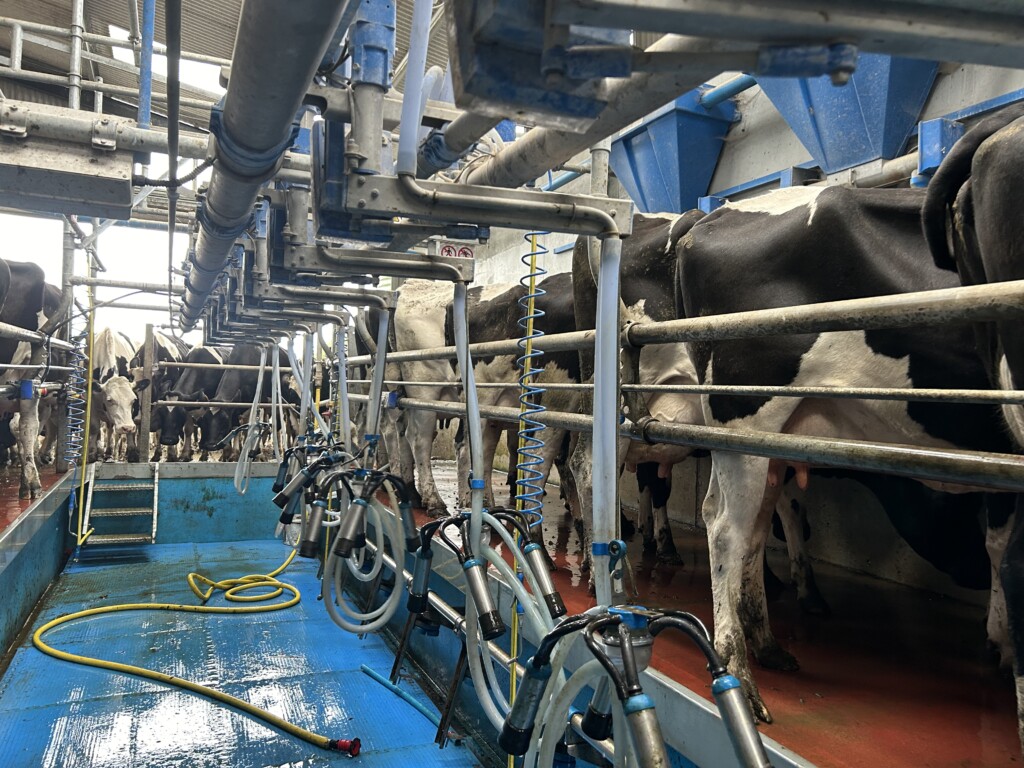
However, there have also been opportunities too, and the discussion group members say advancements in genetics and milk recording are among the measures that have increased efficiencies on farms.
A highlight for the group was in 2018 when it won the Most Improved Group at the CellCheck Milking For Quality Awards.
Throughout these various changes, the group members have had each other to seek advice and support from.
"Everyone is on the other side of the phone to help each other," O'Connor said.
Kelliher added: "Farming can be a very lonely life because you're often working alone, and traditionally at the creamery in Currow or Firies you met someone every morning.
"Now, if you weren't involved in something, you could be alone all the week, even months."