Feed For Growth: Your Partner For Calf Performance

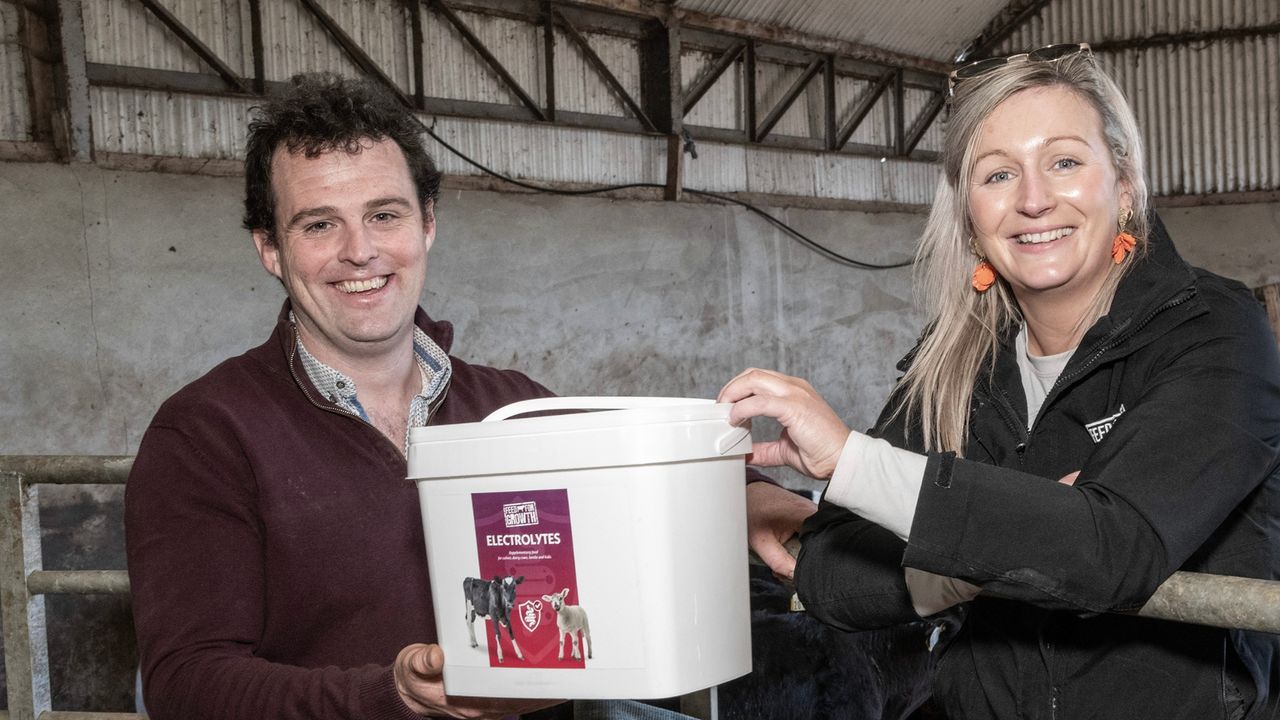
He also works full-time off the farm, making spring an especially busy period.
He said: "I work full-time off farm, I’m typically in the yard and feeding calves at 5:30 each morning, and again that evening."
Because of this, Steven's calf system needs to run efficiently, and is focused specifically on consistency and hygiene due to having little time or room for error.
Buying in two lots
Steven buys his calves through two channels, purchasing roughly half through the mart and the other half through a local calf dealer.
The calves are purchased in two separate batches, spaced two weeks apart, which helps Steven manage numbers without flooding the system.
He explained: "Buying the calves in two lots with a gap of two weeks helps the first group get strong and healthy before introducing the second bunch."
The calves themselves are a mix of breeds.
"The first 50 calves we purchase are Friesians, followed by 45 continentals.
"They’re all male calves, and a mix of Angus, whiteheads, and some Simmentals," Steven said.
Calves are split into two pens on the farm, for each batch, and fed through a circular 20-teat feeder.
Lessons learned
Every calf on the farm is fed 3L of Golden Maverick Milk Replacer from Feed For Growth morning and evening. Steven mixes this at a concentration of 125g/L.
When it comes closer to weaning, Steven batches the smaller calves together in order to keep an eye on them and make sure they get everything they need and have caught up to the rest of the group.
Changing the milk replacer to Golden Maverick was a decision made following a particularly difficult calf rearing season with a cheaper alternative.
"Six years ago, I used a different brand, largely due to cost reasons however I had savage issues with bloat in calves,” Steven recalled.
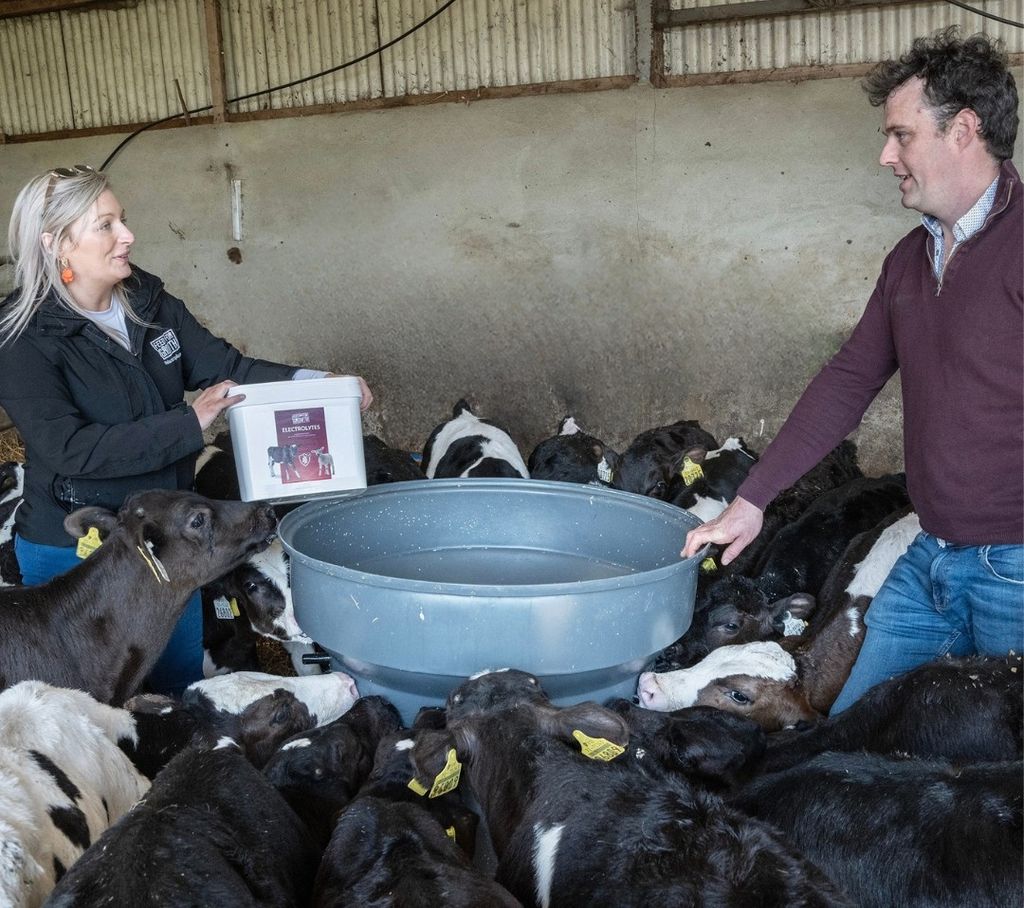
Following some research, Steven introduced Golden Maverick into his calf-rearing programme.
With that came the expertise of Sharon O’Donoghue from Feed For Growth and, with her guidance, he has never experience bloat since.
For Steven, consistency and ease of preparation are particularly important.
He said: “It’s easy to mix, and you don’t see any particles or residue on the bottom of the buckets, so it’s a good sign of the quality, and when the feeder empties out, it’s fully dissolved with no lumpy residue.’’
Five years on, he hasn’t looked back and puts the success of his feeding programme down to both the product and the advice that came with it from Sharon.
A consistent routine from arrival
As Steven, like many farmers, has calves arriving from multiple sources, the management of these calves before they arrive on his farm is beyond his control.
So, when they arrive on his unit he likes to ensure they get an extra boost to help keep them healthy after their journey.
He said: "Every calf, once they arrive, receives a feed of Feed For Growth Gut Rest to help with any potential digestive disturbances and give them a great beginning on his farm."
For Steven, Gut Rest forms part of the routine he has established for calves coming onto the farm, alongside a strong focus on hygiene.
"The feeders are washed out after every feed, with hot water and washing-up liquid, and every evening we disinfect the feeders with Milton.
"The calves are bedded on straw as required," Steven explained.
Vaccination is also an important part of Steven’s calf-health programme, particularly with calves sourced through multiple channels.
The calves bought from the calf dealer arrive already vaccinated, while calves purchased through the mart are vaccinated once they arrive on the farm.
Results on the ground
All calves are carried through two winters and finished at 30 months-of-age, with a clear weight target for the end of the first winter.
"We’re targeting to have those calves well above 300kg coming out of the house after the first winter.
"But when you have 95 calves and buy over an eight-week period, you’re going to have a two-month difference between calves," Steven explained.
At weaning, calves are eating 1.5kg of ration, and today they are out at grass eating 2kg of ration and thriving.
Their strong concentrate intake at weaning is an important indicator of rumen development and helps support a smooth transition away from milk and continued growth.
Beyond the numbers, Steven points to overall calf condition as another clear sign that the system is working.
"The calves have a nice shiny coat, and we don’t have any upset stomachs."
For Steven, successfully rearing 95 calves alongside a full-time off-farm job comes back to having a system he can rely on.
Buying calves in manageable batches, maintaining strict hygiene, following a consistent feeding programme and having trusted advice behind him all play their part.
With calves thriving at grass and progressing towards the targets he sets for them, it is a system Steven has refined over the years, and one that continues to work around the demands of both the farm and his full-time off-farm career.