Heat stress: Protecting sheep in hot conditions

As temperatures rise, heat stress can quickly become a challenge for all livestock, including sheep.
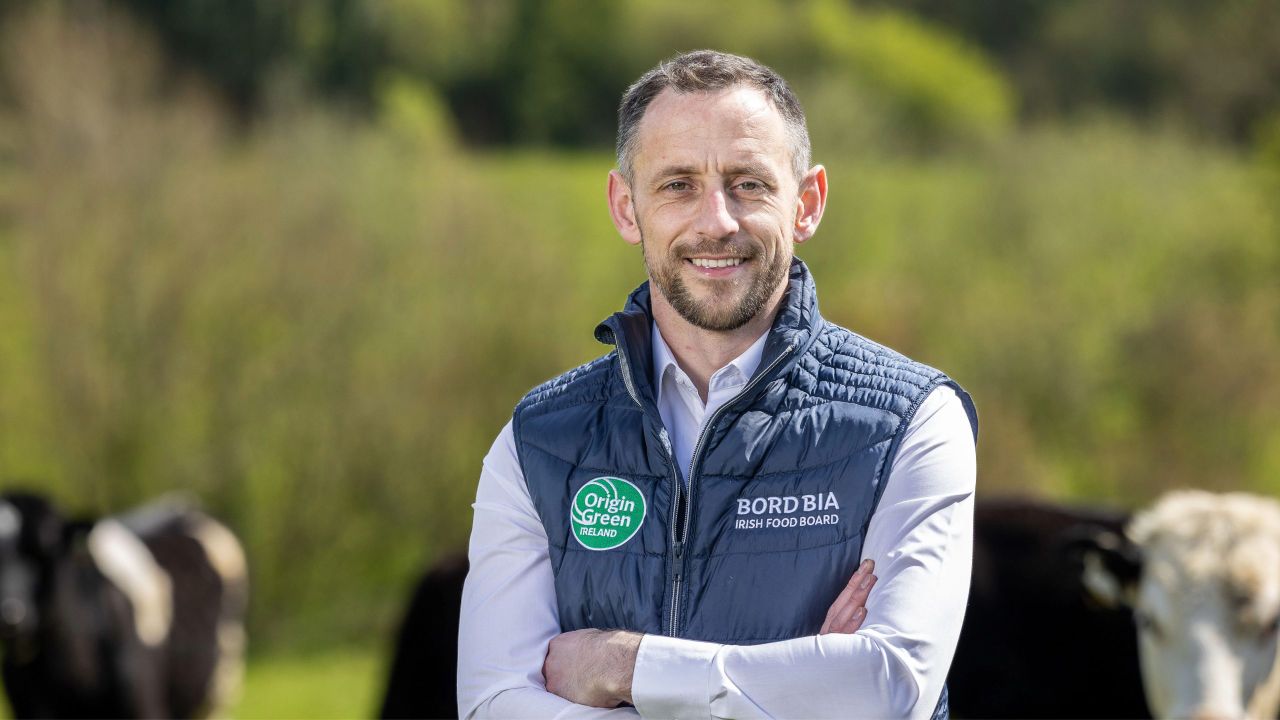
But according to Teagasc sheep specialist, Ciaran Lynch, there are a number of steps that farmers can take to reduce the risk and minimise stress on their flock.
This week, Met Éireann issued a Status Yellow weather warning for high temperatures across the country.
It has forecast that today (Thursday, June 25) temperatures could potentially reach 30° in places.
The warning is valid until 9:00a.m on Saturday (June 27).
Sheep
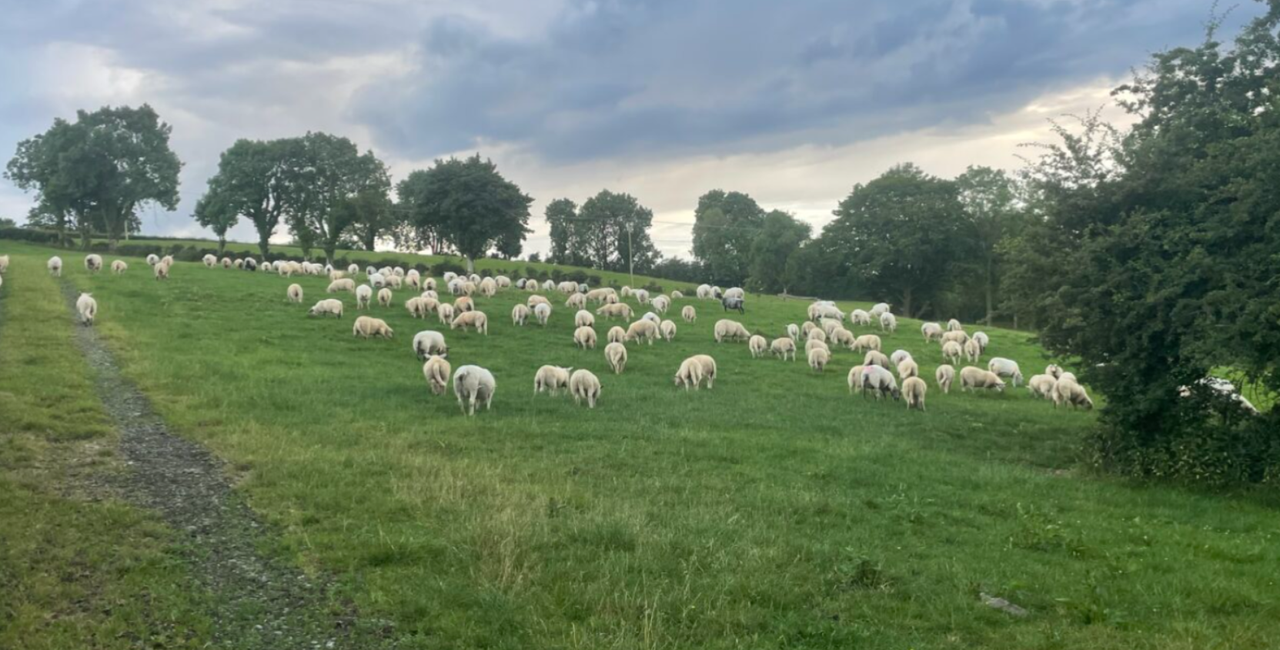
Sheep are resilient, but prolonged exposure to hot conditions can reduce grazing activity.
According to Lynch, farmers can take a few simple precautions that could make a big difference for their flock.
One of these is to provide shelter by moving stock to a shady field with trees or hedgerow cover, “as there will be a noticeable temperature difference”.
Lynch also recommends avoiding handling sheep where possible.
He said: “Where necessary, delay handling or moving sheep until late evening when temperatures cool.”
In addition, if a farmer has to transport sheep, they should ensure adequate ventilation and that they are stocked appropriately.
Lynch added: “Remember to check stock regularly during longer journeys.
"Ideally delay movements until late evening, night time where possible.”
The sheep specialist also said that “sheepdogs are susceptible to heat stress during the current period of high temperatures”.
He said: “As per other classes of stock, delay work until late evening where possible and provide sufficient rest periods and access to water.”
Livestock
The Department of Agriculture, Food and the Marine (DAFM) has also warned that livestock should always be checked more frequently in hot weather.
Animals at higher risk of heat stress include young, dark-coloured or pregnant animals; animals recovering from illness; pigs; and high-producing dairy cows.
Signs of heat stress include: faster breathing or panting; loss of appetite; increased water intake; drooling; and listlessness or lethargy.
In severe cases, animals may become unconscious.
DAFM has advised that the number of watering points and water flow may need to be increased during hot weather as demand increases.
Drinking points should be checked more often during hot weather to ensure they are working and that water pressure is adequate.
Stock should be monitored for signs of problems with water supply, such as queuing or crowding at water points.