Govt urged to remove ‘indefensible’ VAT on carbon tax
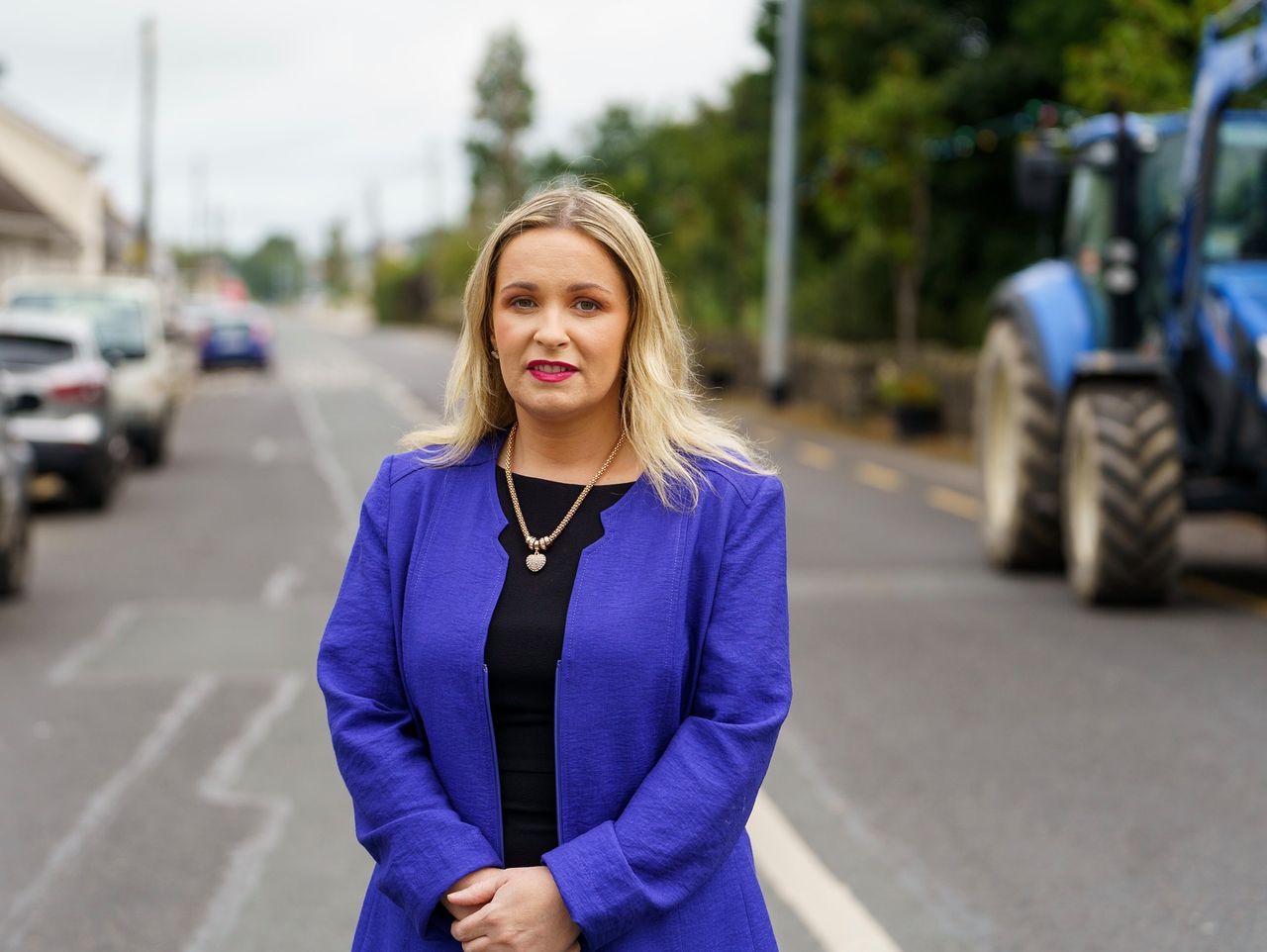
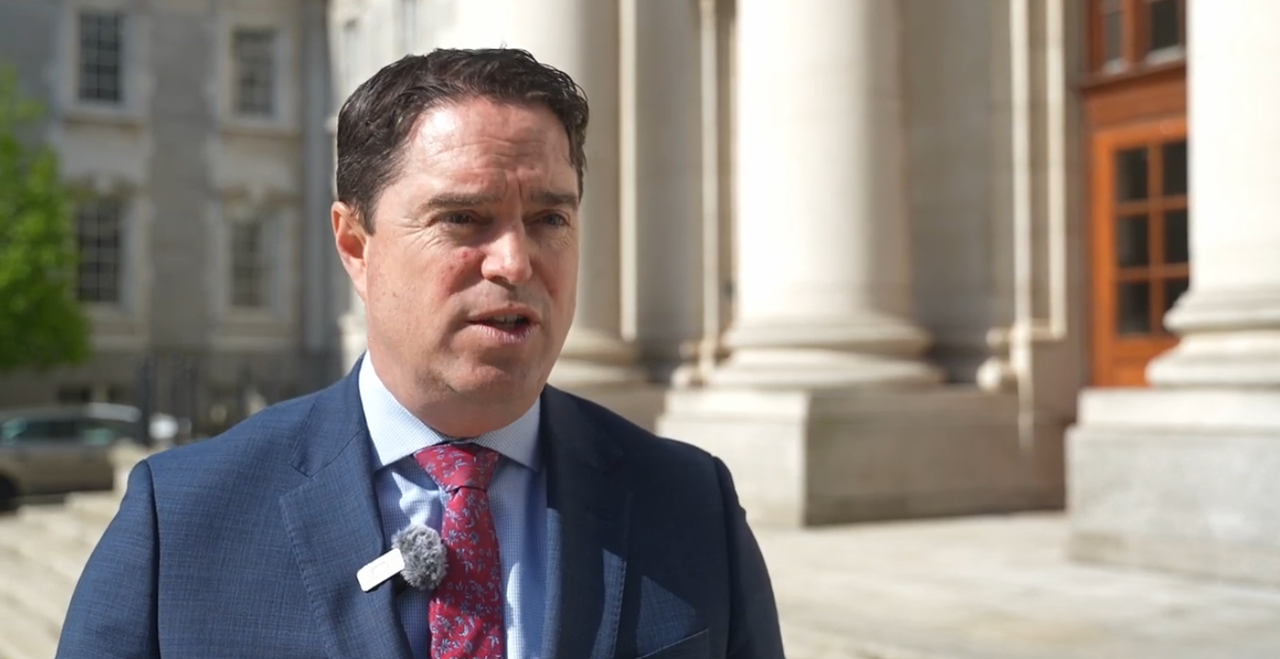
Farmers are being subjected to “multiple layers of avoidable and unjustified taxation”, according to Independent TD for Offaly, Carol Nolan.
Ahead of the government’s Summer Economic Statement, which is due today (July 22), the TD has called on the government to end the “double taxation” of VAT on carbon tax.
Deputy Nolan said that it is essential that farm families are "not left behind" as the government shapes its fiscal strategy.
She added that farmers are being asked to invest heavily in efficiency, safety, animal health and emissions reduction, yet are simultaneously being “penalised through outdated tax structures that actively undermine those very objectives”.
Deputy Nolan also highlighted the Irish Farmers’ Association’s proposals to introduce a 0% VAT rate on animal vaccines and essential farm medicines, as well as the need to remove actively farmed land from the Residential Zoned Land Tax.
The Offaly TD said one of the most pressing issues is the “double taxation” created by applying VAT on top of carbon tax, which she has raised with the Tánaiste and Minister for Finance Simon Harris through parliamentary questions.
Carbon tax
Deputy Nolan said: “Charging VAT on carbon tax is indefensible. It is literally a tax on a tax.
“Farmers are already carrying the cost of the carbon tax itself, and then they are hit again with VAT on top of it.
“If the government is serious about reducing the tax burden, then ending this double taxation, through engagement with the EU must be an immediate priority.”
Deputy Nolan described VAT on carbon tax as both “unfair” and “counterproductive”.
She said: “Farmers cannot be expected to absorb escalating costs while also funding the transition to lower‑emissions farming.
“The minister must ensure that Budget 2027 and indeed the Summer Economic Statement delivers real, practical tax relief for farmers, particularly measures that remove double taxation, reduce unnecessary VAT burdens, and support investment in safer, more efficient, lower‑emissions farming.”