FTMTA: Less money borrowed for more machinery

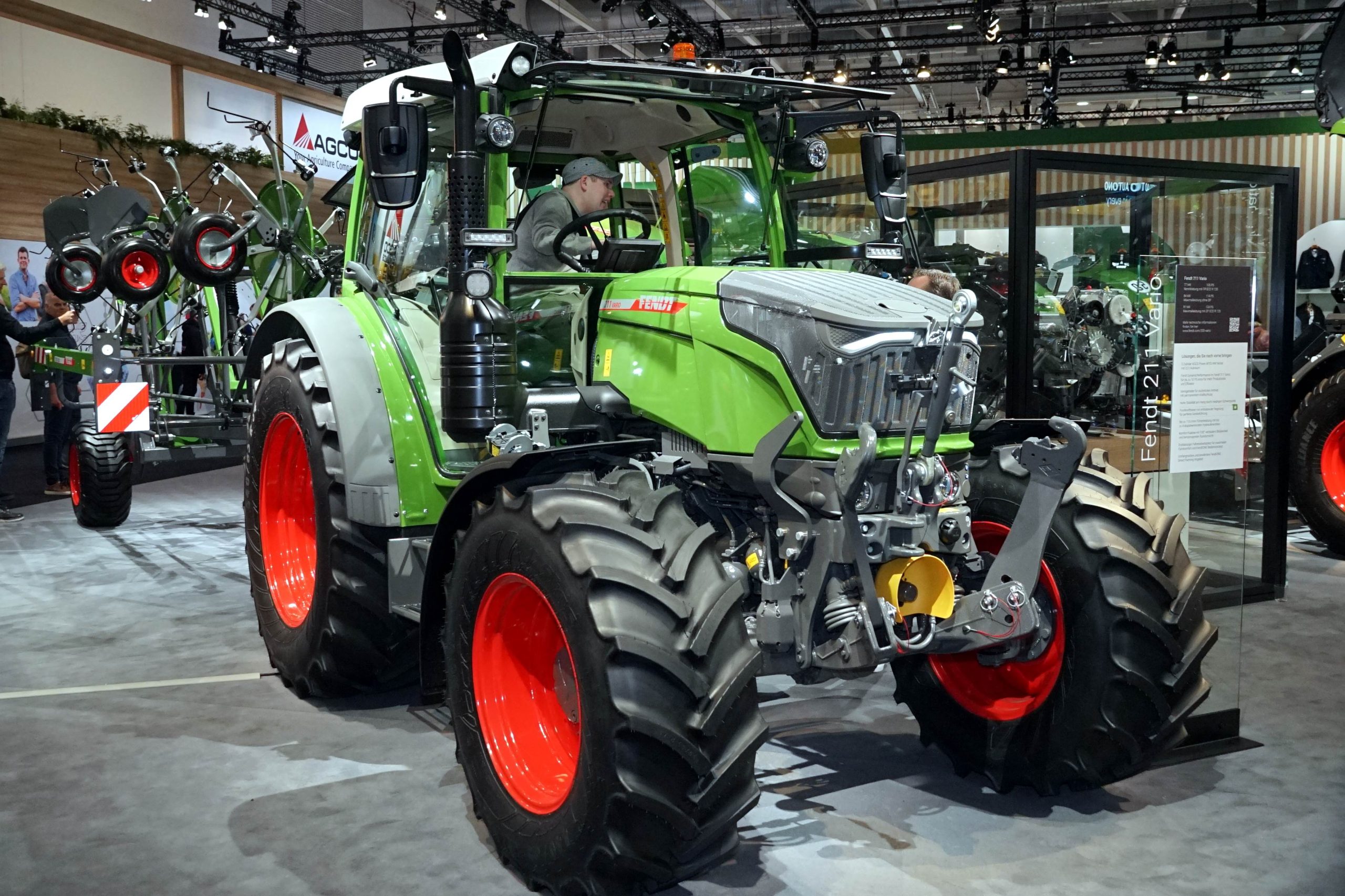
Investing in new machinery has always been part of increasing productivity and efficiency, with the key to this process being access to capital.
This has long been the case, but the channels through which capital may be obtained have multiplied over the years with an increasing emphasis on leasing and hire purchase.
The financing of new machinery was focussed upon by the Farm Tractor and Machinery Trade Association (FTMTA) in its recent economic report compiled in conjunction with Irish Farm Accounts Co-operative (ifac).
Information underload
Looking back over the last 10-15 years, patterns do emerge, but as the FTMTA itself admits, rooting out hard economic data to base definite conclusions upon is not easy.
However, the figures it highlights in the report show a general decline in leasing and hire purchase lending since 2017.
This is a significant finding, since there has been a good deal of inflation in machinery prices over the same years.
Unfortunately though, the graphs presented in the report conflate hire purchase and leasing, which are two distinct financing methods and are worthy of separate analysis if only because of the tax implications.
In essence, hire purchase is the loan of the money to buy equipment while leasing is the loan of the equipment to the farmer and not the money.
Farmers ease off on borrowing
Even so, it is interesting to note that the demand for capital through channels other than standard bank loans and facilities is on the way down, while bank lending itself (for all purposes) has also seen a reduction, although it showed a slight upturn in 2025.
The question then arises as to whether this lack of borrowing is reflected in a fall in machinery sales.
It appears that any apparent correlation between the two flounders on a lack of data.
Tractors are the big ticket item that the health of the machinery market is usually based on, but here there is little concrete to go on, for the number of tractor units sold is a very course and rather unhelpful figure.
There is no indication of total value, only the vague assumption that more tractors means a higher spend.
This is no doubt true, but it is very imprecise and hardly contributes to a thorough analysis of the market.
Perhaps, if the FTMTA were to peer a little more closely into its records and present the information in greater detail - a finer breakdown of power brackets for instance - some further progress may be made.
Yet, just going by the information to hand, leasing and hire purchase agreements do not reflect tractor sales by volume too closely.
Financing from reserves
Despite these shortcomings, the report seems to indicate a greater shift to financing machinery from income or other private resources rather than immediately running to the bank or other finance institution.
There are many who note that machinery has just got too expensive and wonder why the manufacturers are not working harder to reduce prices.
The manufacturers on the other hand are probably looking at the decline in borrowing levels and are of the mindset that farmers can afford the sophisticated machinery they offer after all.