From cattle to humans - what the experts are saying about Shamonda

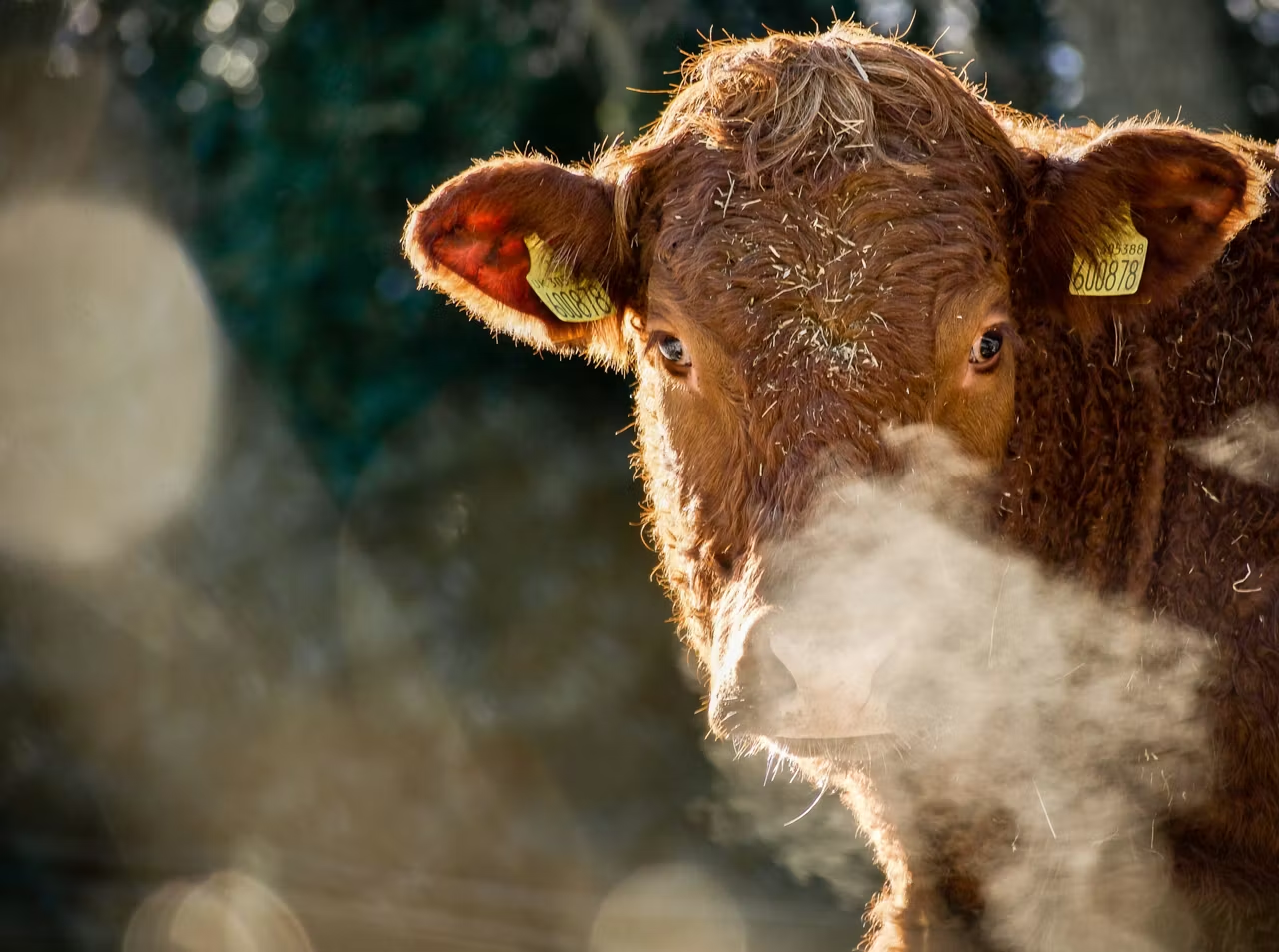
People working in agriculture around animals need increased awareness regarding the Shamonda virus and be alert to infected livestock.
Dr. Connor Bamford from the School of Biological Sciences and The Institute for Global Food Security at Queen’s University Belfast was responding to the news this week that the Shamonda virus was detected in a person who died in France.
The European Centre for Disease Prevention and Control (ECDC) is carefully monitoring the situation as this is the first time ever this particular livestock virus has been detected in a human.
The only infection so far was in a patient receiving treatment for a serious illness that made them more susceptible to infection and complications than the general population.
The patient died earlier this month. Investigations into whether the virus caused or contributed to the patient’s death and how the infection was acquired are ongoing.
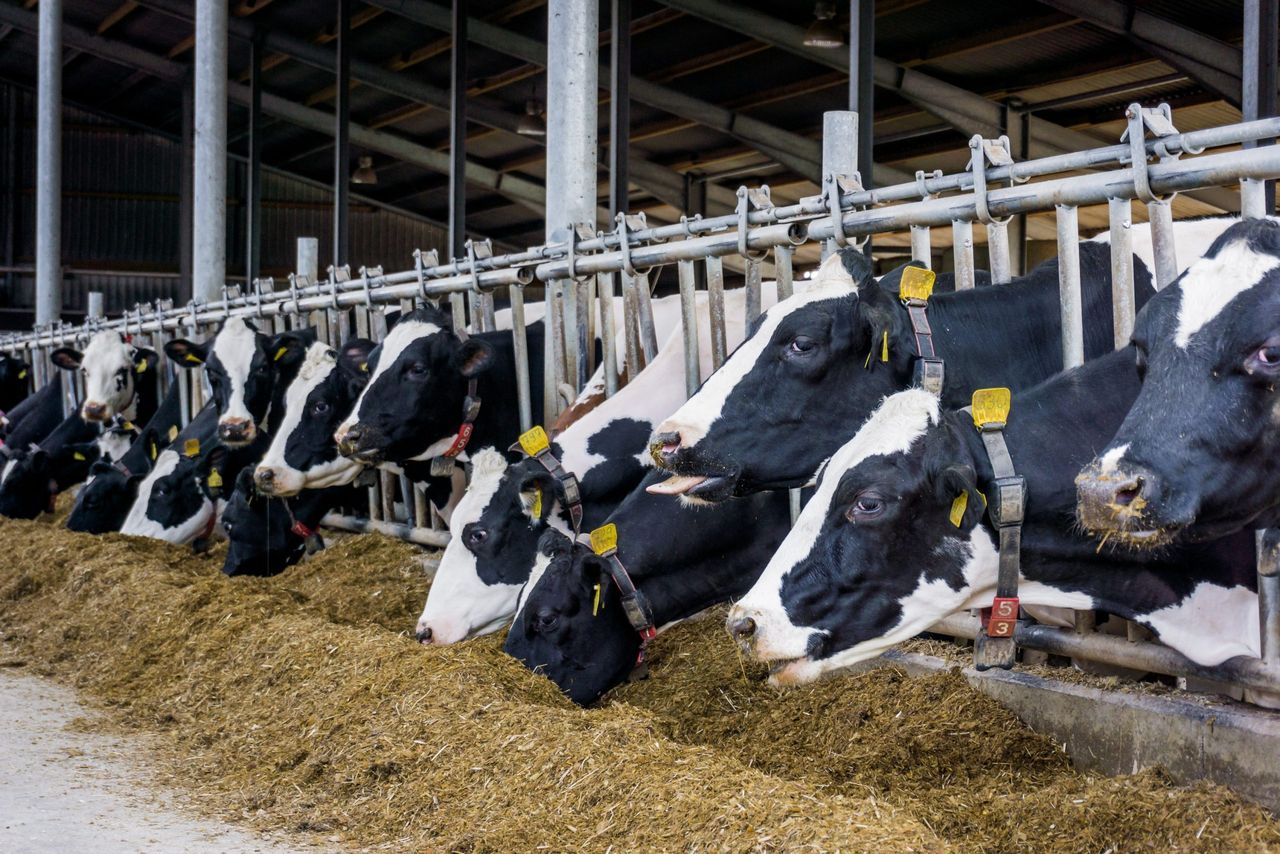
The virus is spread by midges and mainly causes mild illness in cattle, though it can cause abortions and birth defects in calves.
It was first identified in Europe in late July, and earlier this month it was detected on two dairy farms in Co. Cork. It is not a notifiable disease in Ireland or the EU.
Dr. Bamford from Queens University Belfast said: "The very recent and rapid spread of this virus across Europe, carried by biting midges, is increasingly concerning.
"A human infection in a patient who died is also a serious development, even if the person was immunocompromised.
"More work must be done to ascertain how exposed humans are to this infection, and any association with illness.
"Current understanding is that this is not of major concern to the majority of people in the general public given its association with biting midge of livestock."
However, he stressed that this merits increased awareness in individuals like agricultural workers working near affected animals.
Shamonda in humans
At this point, authorities have said that there is no immediate concern for the general public.
However scientists admit that the report of a detection in a seriously ill person who died in France is both "surprising and unusual".
Dr. Gerald Barry, assistant professor of Virology and deputy director of the Univesrity College Dublin (UCD) One Health Centre said: "For some context it is associated with an immunocompromised person who was already ill.
"This does not discount the terrible situation but it suggests that most of the population are not at risk.
"There haven't been any other human cases reported previously with this virus or genetically similar viruses to it. It typically causes disease in cattle and sheep, not humans."
The professor outlined that the virus is spread by midges - when they bite, they take up blood containing the virus, it can then be passed to another animal, when they feed again.
"As a broader point, Europe is currently being bombarded with new viruses, particularly mosquito and/or midge borne viruses," Dr. Barry added.
"We are seeing more and more cases in humans and animals from different viruses and these cases are slowly moving northwards from the Mediterranean basin towards the UK and Ireland.
"We can expect these types of incidents, with a range of new viruses, to increase in the coming years and decades."
Meanwhile, Prof. Tom Solomon, director at The Pandemic Institute, and NIHR Health Protection Research Unit in Emerging and Zoonotic Infections at University of Liverpool, said:
“It seems that the Shamonda virus may have contributed to the patient’s illness, although investigations are ongoing to establish its precise role."
He explained that the risk to the general public appears very low for several reasons.
Shamonda virus has been circulating in animals, particularly cattle, but also sheep, goats, horses and alpacas, for many years, yet this is the first recognised human infection, suggesting that transmission to humans is extremely unusual.
“We also know that this patient was severely immunocompromised, which may have made them particularly vulnerable to an infection that would not normally cause serious illness in humans," Prof. Solomon added.
“However, because this is the first recognised human case, there is still a great deal we don't know.
"We don't know whether healthy people can become infected without developing symptoms, what symptoms the virus might normally cause, or how frequently it might cause serious disease.
“French authorities believe the neurological complications in this patient were very likely linked to the infection, although investigations are continuing."
The professor admitted that this is "concerning", but stressed that one exceptional case does not necessarily mean the virus poses a significant threat to the wider population.
Monitoring across Europe
It is not just Irish and French authorities monitoring the spread or detections of Shamonda virus.
It has been detected in several countries in recent months such as: Austria; Belgium; Germany; Italy; Liechtenstein; Luxembourg; the Netherlands; Portugal; Spain; Switzerland and Jersey.
David Roiz, Beatriz Galindo distinguished senior researcher, SaBio Group, Institute for Research into Game Resources (IREC), University of Castilla-La Mancha, said: “The death of a patient with severe immunodeficiency in Lyon, France, who was suffering from a serious illness caused by the Shamonda virus, has just been confirmed; this is the first human case in Europe.
"This virus has recently been detected on cattle farms in France. Shamonda is a bunyavirus transmitted amongst cattle by Culicoides midges, which are small dipterans that also transmit bluetongue.
"It can also circulate amongst small ruminants and horses.
"There is no risk to the general public as this is a case involving an immunocompromised patient; whilst this is a new occurrence for this virus, it is not entirely unusual."
The researcher said that there are many bunyaviruses that circulate naturally among mammals in tropical regions and cause sporadic cases in humans.
"In a globalised world, where animals and goods are on the move and the climate is changing, it is not unusual for cases of human transmission to occur, and we should not be concerned," Roiz continued.
"We simply need to monitor the situation, remain vigilant and be proactive in addressing potential health risks.”