EU Automotive Package puts off sales ban of ICE cars and 4x4s

The EU's Automotive Package, in its own words, is aimed at setting "an ambitious yet pragmatic policy framework to ensure 2050 climate neutrality and strategic independence".
The launch of the package on December 16 was widely seen as a response to pressure from auto-manufacturers, who have encountered strong consumer resistance to the adoption of battery-powered cars.
Yet it never was a complete ban on sales of internal combustion engine (ICE)-powered vehicles, for there lay within the original legislation the option to sell ICE cars on the proviso that they could only run on carbon neutral fuels.
It would appear from the details provided so far that it is this exception that has been expanded upon.
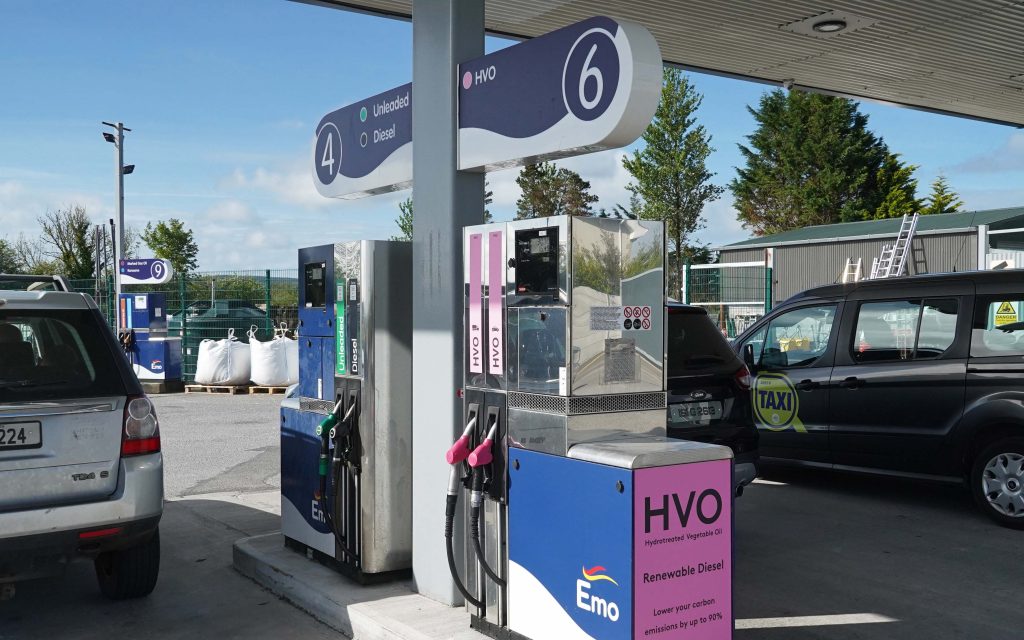
According to this latest EU announcement: "From 2035 onwards, carmakers will need to comply with a 90% tailpipe emissions reduction target, while the remaining 10% emissions will need to be compensated through the use of low-carbon steel made in the Union, or from e-fuels and biofuels."
Awaiting details
Presently, there is little further detail on quite what this tailpipe emissions reduction actually is and how it is to be measured, but the commission goes on to note that "this will allow for plug-in hybrids (PHEV), range extenders, mild hybrids, and internal combustion engine vehicles to still play a role beyond 2035, in addition to full electric (EVs) and hydrogen vehicles".
In short, it appears that the EU has recognised that its original intention of seeing the sale of ICE cars banned from 2035 onwards is proving unworkable.
It has therefore kept open the option of ICE-powered vehicles while encouraging the production of electrically powered cars through a €1.5 billion subsidy to European battery producers via interest free loans.
ICE on farms
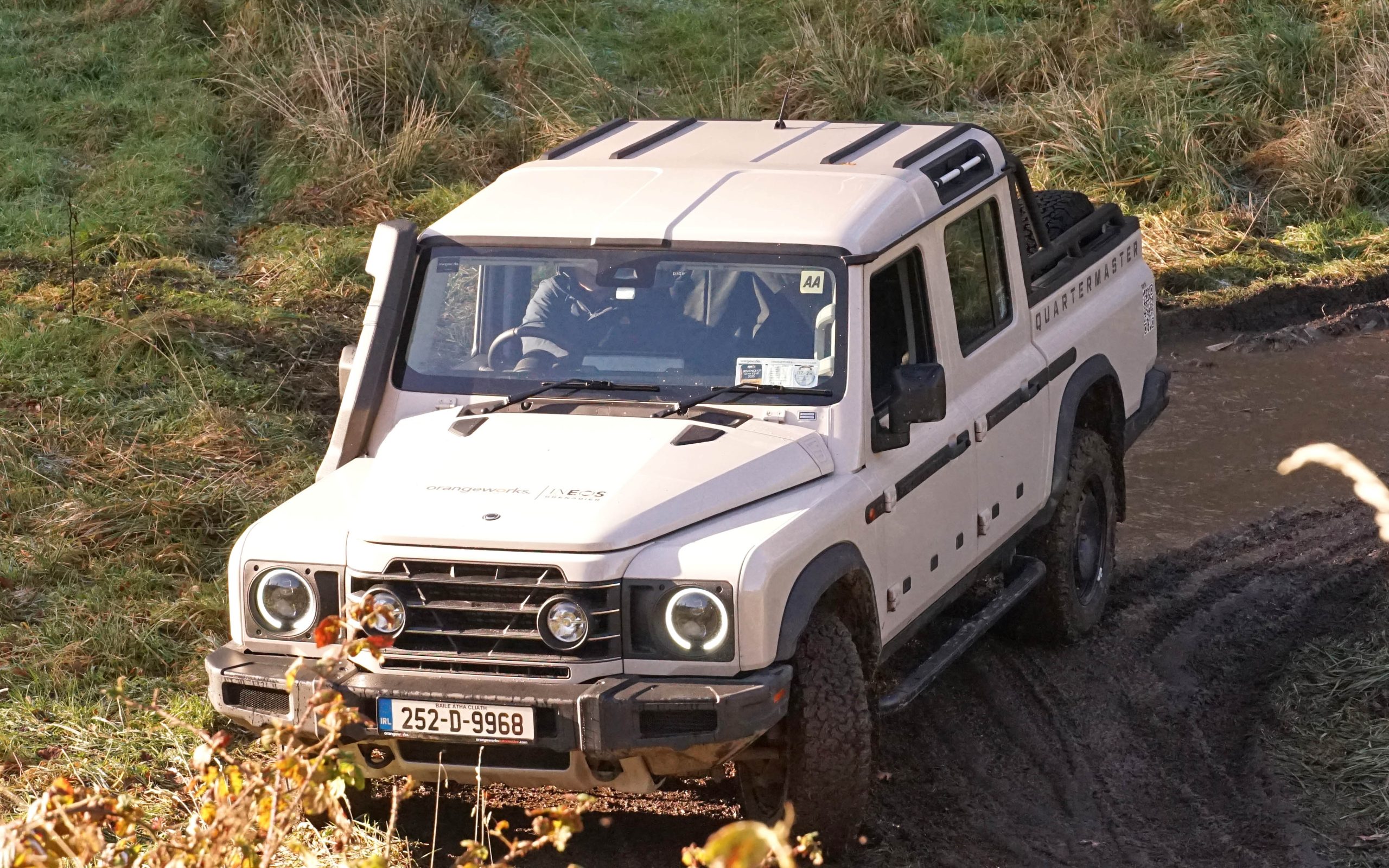
At farm level, it means that ICE-powered cars and farm road vehicles so essential to living and working in the countryside will continue to be available for the foreseeable future.
This relief also extends to the infrastructure that supports their use, with local garages and petrol stations being assured of a demand for their services and products.
Being able to operate cars and pick-ups independently of the grid will come as welcome news for many in the rural community, as the pressure to adopt electrically powered vehicles is eased.