Sponsored
Don't get left behind - emerge stronger from the energy crisis

Sponsored by
The massive dependence on imported gas and fuel is exposing Ireland, and especially the agri and farming sector, to vulnerabilities.
It is now inevitable that the move to electrify more on-farm activities will accelerate.
And while you can curse the dark about massive cost increases, it is those businesses that take action who will come out of this stronger and more efficient for the future.
As smart business leaders say: never waste a crisis.
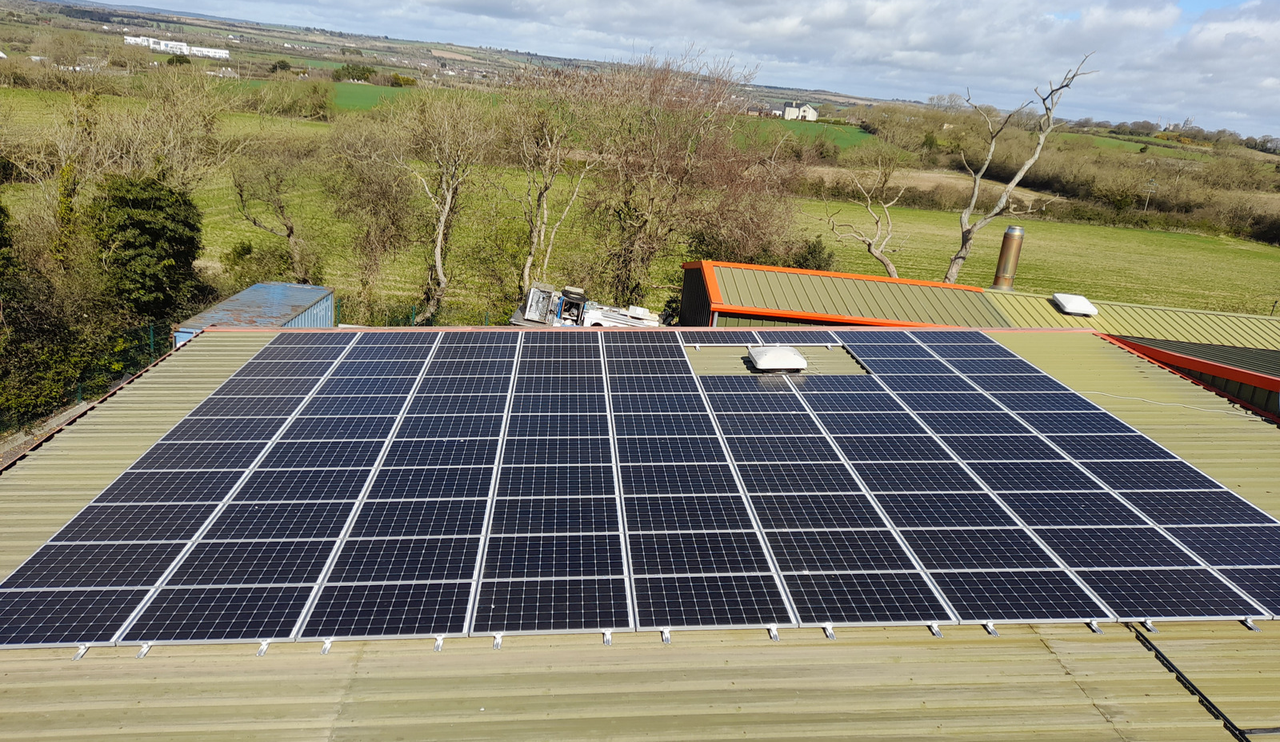
Installing solar PV is one of those actions you can take now to hedge against rising costs and energy price volatility, and make your business more cost-efficient and better equipped for future developments.
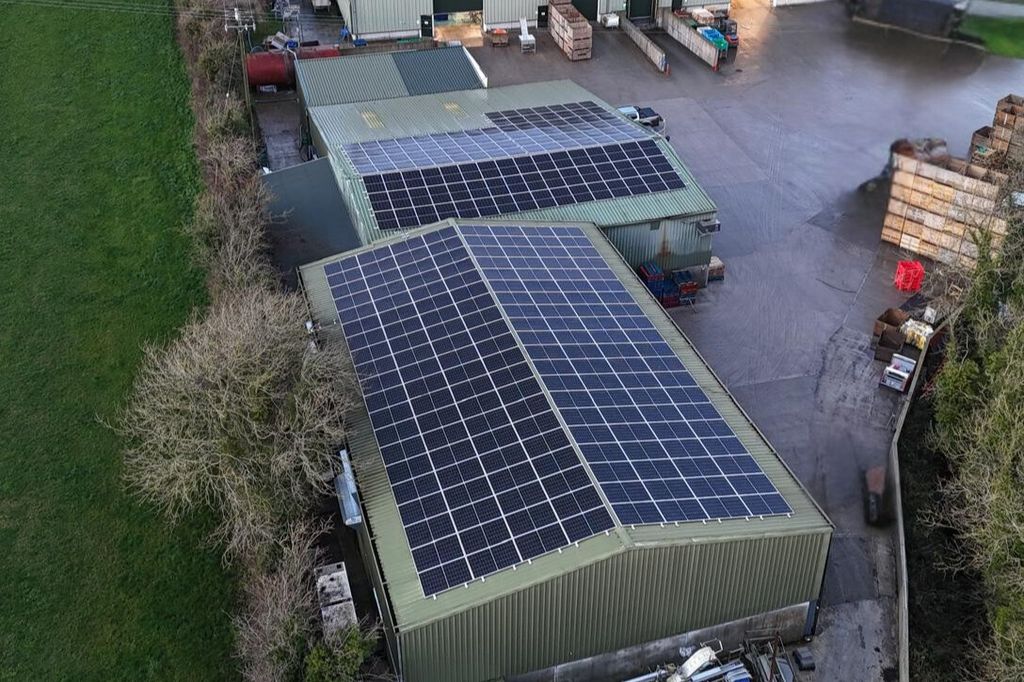
An immediate benefit is that solar PV reduces your monthly electricity bills.
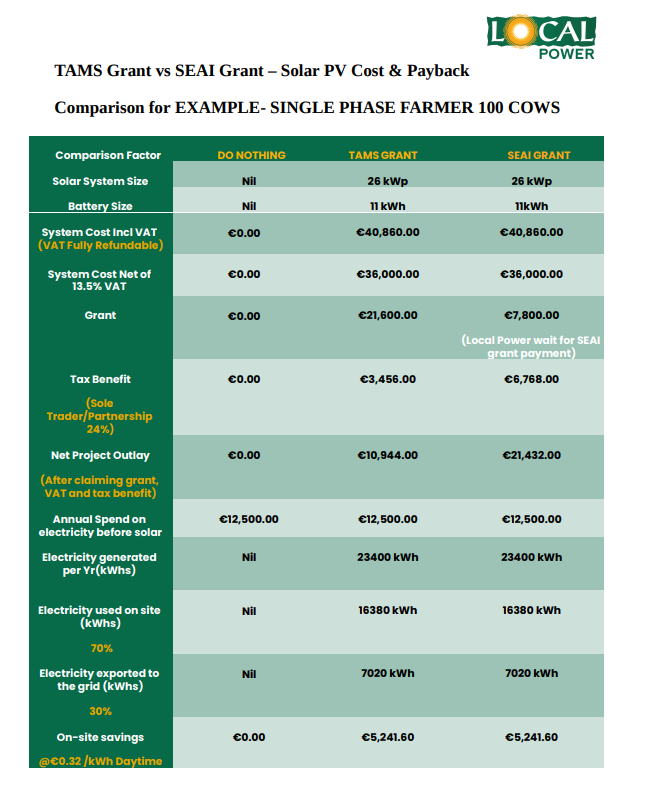
These savings, coupled with the SEAI grants and tax benefits available, mean that your solar PV investment is fully paid for within 3-4 years, and thereafter you will be generating free energy for decades.
Put another way, farmers who installed solar PV four years ago today, are now generating a significant portion of their farm energy needs free of charge.
Have a look at the tables in the gallery to see for yourself the impact of doing nothing to address your electricity bills.
Looking forward, solar PV and battery storage will play a much more vital role in your farm and home than many can imagine, and you need to take account of these very likely developments and act now to prepare.
Here is a vision for the future of your farm activities, where electricity use will be at the heart of almost all energy used.
This will replace a significant portion of today's bought-in fuels and reduce the negative impact of these increasingly frequent energy shocks.
The quad bike will be electric, the family car will be electric, the smaller yard tractors and loaders will be electric, the home heating will be electric, electric robots will expand beyond scrapers and milking to doing more and more of the day-to-day farm activities, and all will be run electrically.
And if you think that larger tractors will never go electric, think again.
Already, mid-range Volvo high-macs are electric, with electric buses and trucks now on the roads as well.
Cost efficiencies will make these technologies more affordable, and labour and other costs make the decision to automate and invest more compelling.
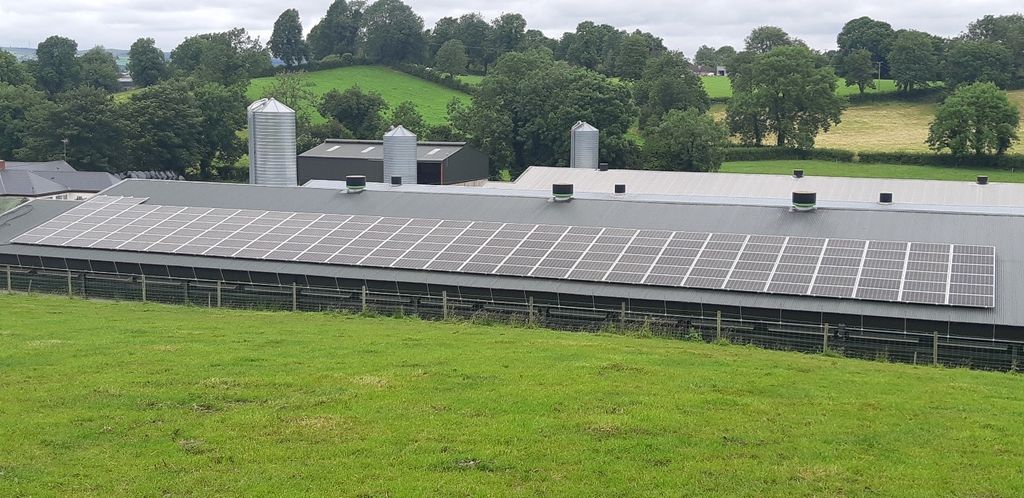
And a lot of the power required to run this equipment will be provided by farm roofs covered in solar PV, with battery storage systems in place to match generation with energy use in the business.
Ten years ago, Local Power Ltd was set up with a view to helping businesses and farms reduce their energy costs and carbon emissions.
That job grows, and we look forward to working with you in developing robust energy plans for your farm business into the future.
Sponsored by