Derogation - what does it mean for slurry storage?


It was confirmed this morning (Tuesday, December 9) that Ireland is to keep its nitrates derogation for a further three years, but what does that mean for farmers?
As expected, any renewal of the nitrates derogation would come with the 'red tape' farmers are becoming more accustomed to.
But what are the new rules and regulations that farmers will need to implement to maintain their derogation status?
Slurry
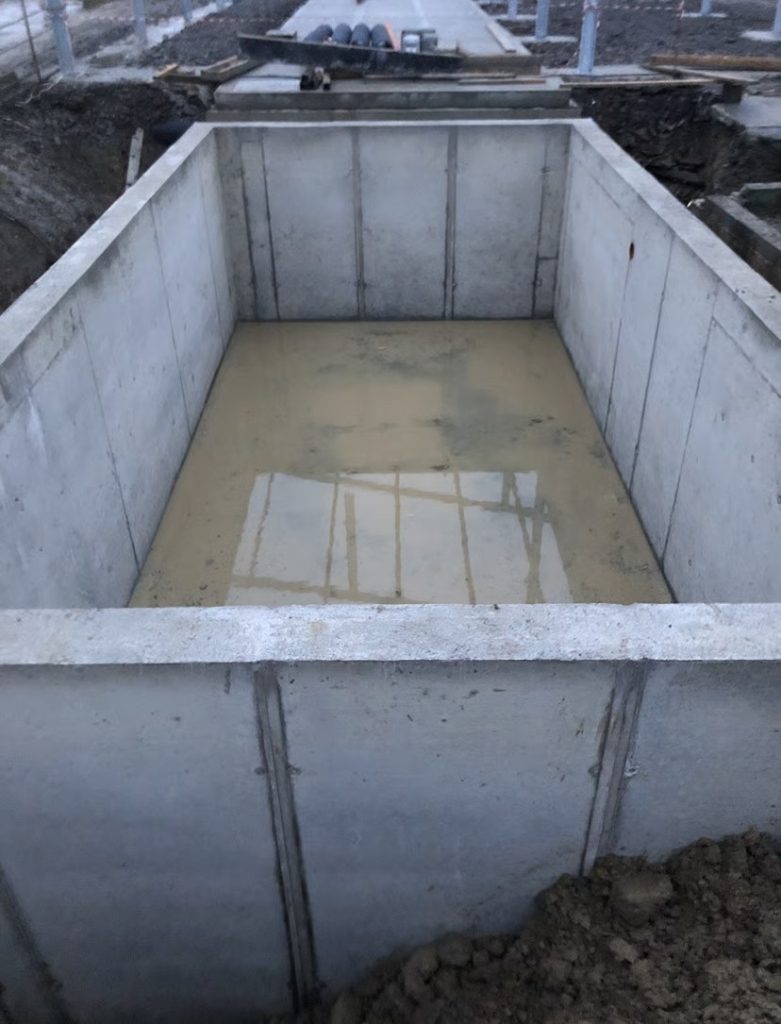
The biggest impact to farmers will be the new measures applied to the derogation in the form of slurry and soiled water storage capacity.
Farmers will be required to increase their slurry storage from the current 0.33m3/cow/week to 0.4m3/cow/week.
For the average farm milking a 100-cow herd in the 16-week closed period, they will need an additional 112m3 of slurry storage, bringing them up 640m3 in total.
Soiled water has also gone from 0.21m3/cow/week to 0.3m3/cow/week, meaning 100 dairy cows will need an additional 36m³ for the month that spreading soiled water is restricted.
However, required volumes for soiled water will not be applicable to cows that are dried-off, with the department stating that this will mitigate the change in soiled water storage requirement for many farmers.
The soiled water regulations will be based on how many cows are being milked at 'critical times' of the year rather than the peak number of cows being milked.
The regulations will however put pressure on winter milkers, who only went to a full month storage requirement for the first time this year.
Many farmers had been expecting this and have already expanded their slurry storage, as the previous figures had often been considered as undervalued.
Teagasc had previously stated that the average dairy cow in Ireland is producing 21% more slurry than the existing regulatory values were estimating.
However, farmers who have not yet expanded will now need to plan around this before the rules come into affect on October 1, 2028.
Options
Pulling the herd number back to meet the required space is an option, but could affect the farm's banding.
Building infrastructure in term of tanks, lagoons, or towers will be the most heavily desired option to increase slurry space on the farm, especially with grants currently available under TAMS.
To view what grants are available for slurry storage, click here.
However, considering the derogation has only being confirmed for an additional three years, many farmers who will be back in the same situation in a couple of years may feel it would not be worth the large capital investment.
This will become increasingly more evident as cash flow tightens with milk prices rapidly dropping, and some processors now offering prices below production cost.
You can view further details on the 6th Nitrates Action Programme by clicking here.