Dairy-beef production 'set to grow' across the globe - AHDB
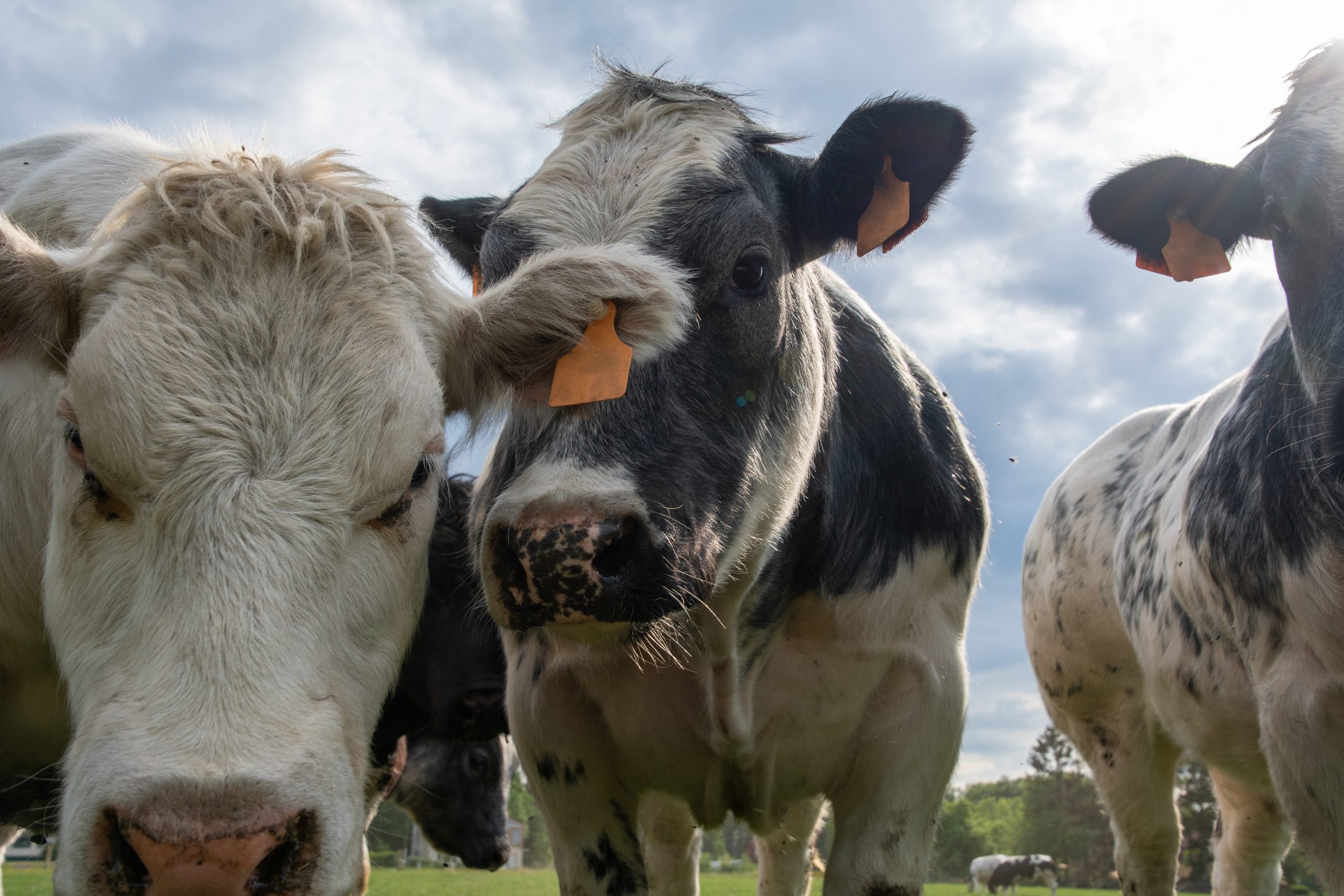
Could boosting dairy-beef production help "sustain production volumes" in the face of beef supply challenges?
According to the Agricultural and Horticultural Development Board (AHDB), dairy-beef production is "set to grow" across the world in coming years.
Becky Smith, senior livestock analyst with AHDB said: "Distinct regional differences remain in the development of effective dairy beef supply chains, and the coming years will be instrumental in their progress".
Smith has examined dairy beef production in the US, New Zealand, and Australia and she found that "improved profitability" is a major driver of dairy-beef expansion in some regions.
AHDB
According to the latest AHDB report, New Zealand’s large dairy herd has traditionally produced replacement heifers and bobby calves.
"Dairy beef production is growing now in popularity, both to support beef supply and to combat ethical challenges associated with bobby calf production," Smith detailed.
But she also points to research from Rabobank which shows that in 2024, only 26% of calves born on the dairy farm were reared as dairy beef - with the largest proportion (46%) sent to processors as bobby calves and the remaining 28% kept as female heifer replacements.
This, according to Smith, highlights the "sizeable opportunity for adding value".
But she also outlines that there are "several constraints to dairy beef expansion in New Zealand".
"The predominance of spring-block calving creates a very seasonal system where most calves are born within a six-eight-week window.
"Looking forward, improved genetics and closer supply chain integration and collaboration will be key in overcoming these challenges and strengthening New Zealand’s dairy beef sector," Smith added.
United States
The AHDB report also details that beef output from the dairy herd has grown significantly in the US over the past five years.
It references data from the US National Association of Animal Breeders which shows that domestic beef semen sales rose by 67% between 2019 and 2024, while dairy semen sales fell by 17%.
Smith highlights that in country research suggests that the value of day-old dairy-beef calves has almost doubled in the last year.
Australia
Meanwhile in Australia, according to AHDB, new initiatives are in place to expand dairy-beef production from a low base, in order to support beef production and maximise value across the supply chain.
Smith said: "Dairy-beef is in relatively early stages of development in Australia, with many of the non-replacement animals born to the dairy herd still entering the bobby calf market aged 5-30 days.
"Yet, Australian producers increasingly recognise the supply and economic potential of producing more beef from the dairy herd".
The analyst also pointed to the Growing Beef from Dairy (GBfD) project - which is funded by Dairy Australia and Meat and Livestock Australia - which aims to provide resources to improve welfare and meat quality of surplus calves, engaging with both beef and dairy producers.