Could drone services offer a cost-effective option for farmers?

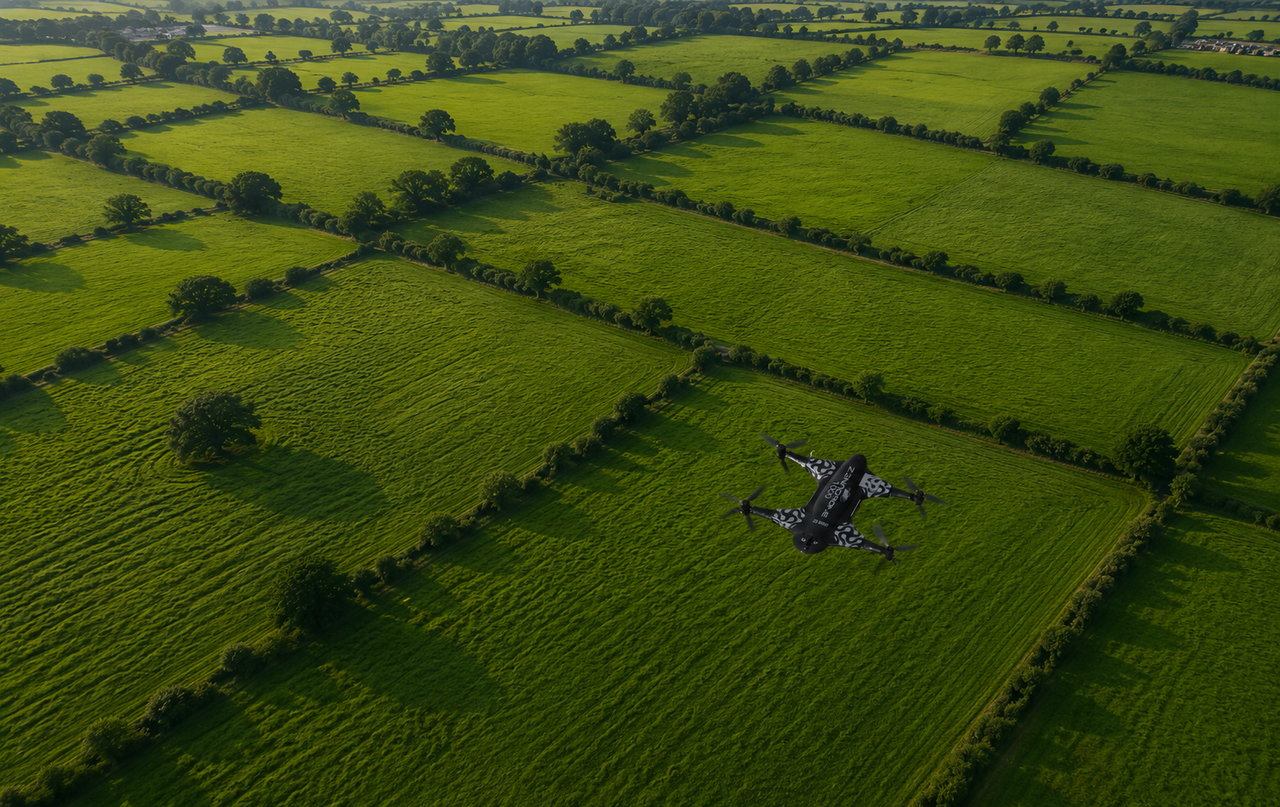
Drones can bring many benefits to farmers and agricultural contractors, but for those who only use them occasionally, are they worth the investment?
Drones are increasingly being used for livestock tracking, crop health monitoring, and precision spraying.
They can also be of benefit for seeding hard-to-reach areas, or as a way to continue work on saturated soils that are not traffickable by heavy machinery.
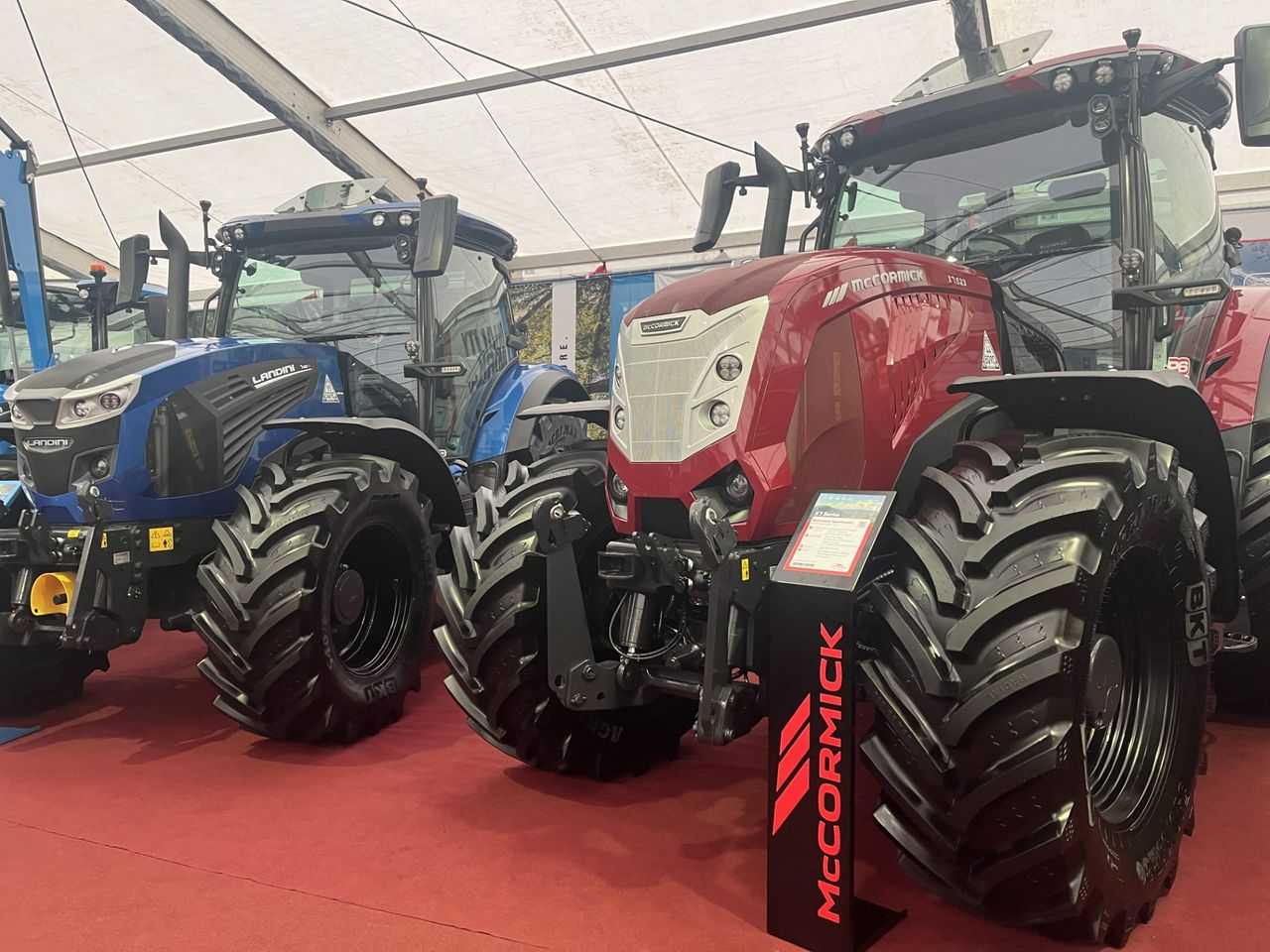
Therefore, it is no surprise that drones feature heavily at the 2026 Farm Tractor and Machinery Trade Association (FTMTA) Farm Machinery Show.
However, farmers considering utilising the technology on their own holdings must also bear in mind the regulations and licencing involved in operating drones.
For example, if you use a drone that weighs over 250g, or has a camera, you must register with the Irish Aviation Authority (IAA).
To register you must be at least 16 years of age, set up an account with the IAA and verify your identity, and then complete an online training course that takes about 15 minutes to complete.
Drones must always stay in the visual line of sight of the operator, and be flown at a max altitude of 120m, or 400ft, and at least 50m away from an individual.
Accessing drones
However, there are options for farmers that may only need drones for specific situations.
Drone as a Service employs a subscription-based model, where the company supplies the pilots and drones while being fully insured to operate on farms.
Its drones are manufactured by Zenatech, and distributed by Zenadrone, of which Drone as a Service is a subsidary.
The company, which has been active in Ireland for the last three or four years, is displaying its capabilities at the 2026 FTMTA show in Punchestown.
Craig Thackaberry, agricultural sales manager at Drones as a Service, spoke to Agriland on the services it provides.
He said: "Drone technology is really easy to use, but there's also a lot of legislation and licenses involved as well.
"The farm rings us, we come out to them and collect the data and then we can take it back and process it.
"Alternatively, if we're going into a farm spreading plant nutrition, we land down on the farmer's farm, which will supply the fertiliser, and we'll be there to spread the whole farm for them," he said.
The customer gets the results that are useful to the farming business without having to buy a drone, applying for the licence and training required to fly it themselves or processing the data to extract the useful information.
Thackaberry said: "For the tillage side, we have the ability to do multi-spectral crop health analysis, meaning we can create a prescription map that we can utilise ourselves with our current drones.
"What has also been happening is we're creating these prescription maps and variable rate maps for customers that have the newer technology like that here at the Farm Machinery Show.
"Those that have their own machinery can get the best use out of that," he said.
Thackaberry also outlined how drones can be integrated with a variety of machinery brands.
He explained that although each brand has its own file type and set up, Drone as a Service maintains an operating relationship with and utilises file types that are most common across major agricultural implement brand.
He added that the company is still developing its product, and is focused on specialising while working with customers and improving its product in general.