
Advantage Beef Programme
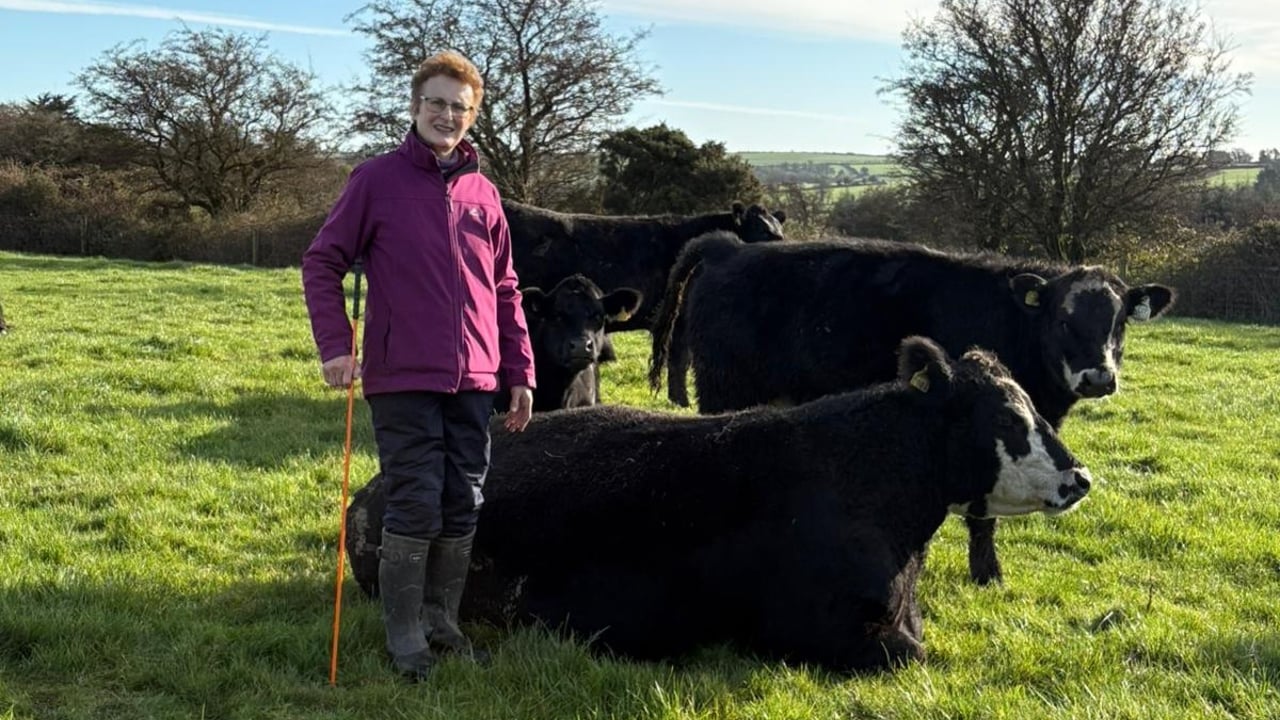
The farm has been fully organic for 15 years and is supplying its organic beef progeny to Good Herdsmen.
Earlier this year, Kay O’Sullivan won the Organic Production category at the Teagasc FBD Environmental Sustainability Awards.
ABP Food Group's Advantage Beef Programme graduate David O'Connell recently visited the farm to view the organic system in place there.
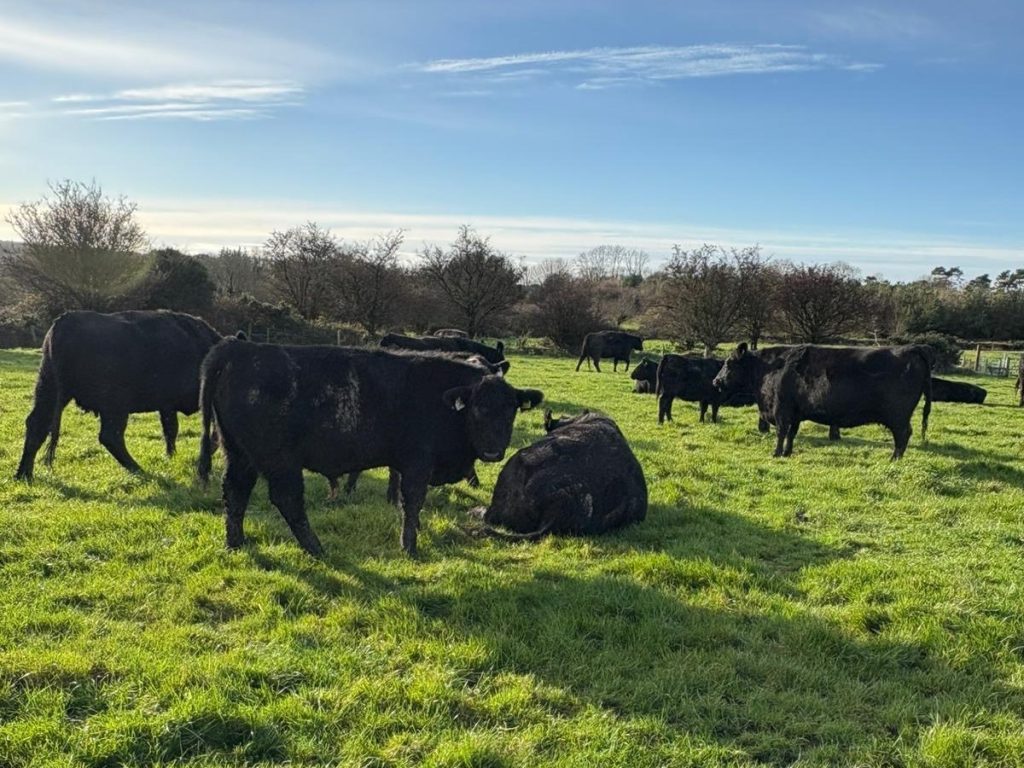
As previously mentioned, the farm system is suckler-to-beef and all cattle are Angus-bred with 100% artificial insemination (AI) used.
There are also sheep on the farm, but currently the plan is to increase cow numbers and reduce sheep numbers.
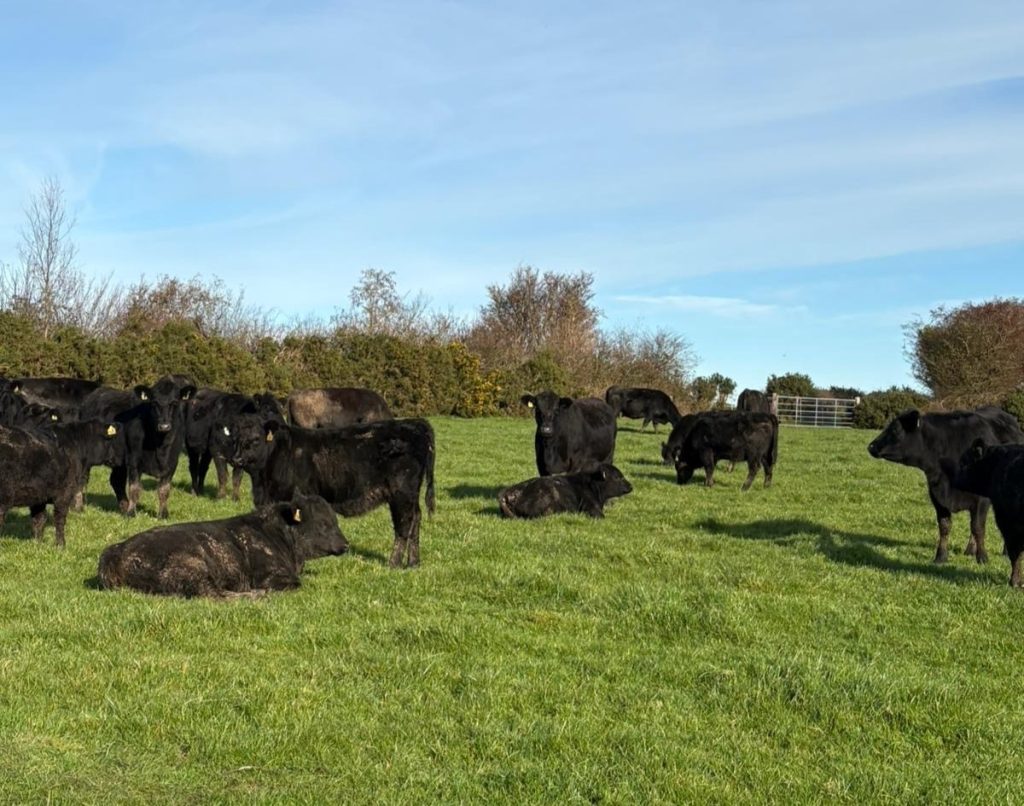
All male cattle are slaughtered with Good Herdsmen and cull cows are slaughtered at ABP Bandon. Heifers are either retained or sold to other organic farmers.
Multispecies swards are used in all reseeds and cattle are fed on a 100% forage based diet with zero concentrates used.
Progeny have an early slaughter age with the aim to slaughter male cattle at 18 months-of-age.
All aspects of breeding, weights and kill-outs are closely measured to identify areas where improvements can be made.
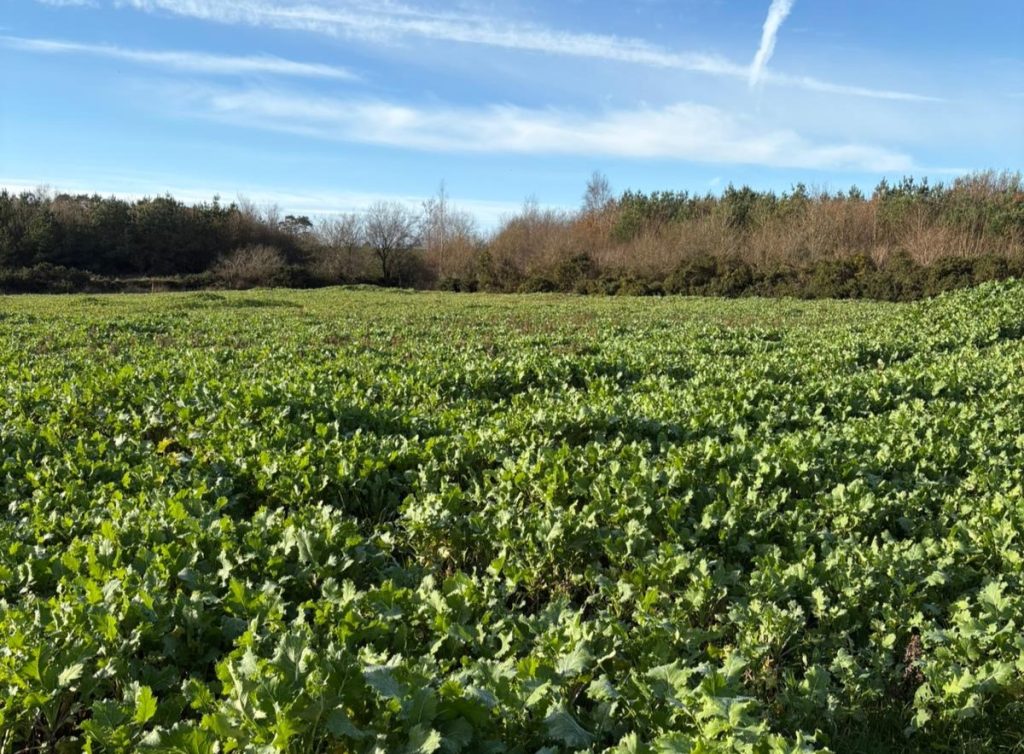
Weanlings are wintered on redstart with a dry lie back and high-quality red clover silage fed also.
The red clover silage typically has a dry matter digestibility (DMD) of over 75%, and the pre-calving silage fed to cows has a lower DMD value of approximately 65%.
Redstart was sown in July and is strip grazed by weanlings in winter.
There were a total of 34 grass walks completed in 2025, with 11.2t/ha of grass dry matter grown to date this year.
The farm also allows ample space for nature and is involved in the pollinators programme also.
Hedges are only trimmed every third or fourth year rather than annually, and 2m of headland is left when mowing silage.
Farm manure is composted before spreading.
Farming for Water EIP
Under the Farming for Water European Innovation Partnership (EIP), the farm has been granted funding for a buffer zone with 10 trees. This was completed in March.
A 4ha area of multispecies was also approved and completed this year. The farm was also approved for two water bars and a silt trap, with these works to be undertaken soon.
The farm has also been approved for funding to plant 70 willows, as well as for the installation of gates and a solar fence.
Calving and cattle performance
Last winter, the heifers had an average daily live weight gain (ADG) of 1.16, while bullocks gained 1.14kg/day on the redstart.
Calving takes place outdoors and the sires are all AI Angus bulls.
The sires of the calves this year include:
- AA7452;
- AA4632;
- AA4633;
- AA4631;
- ZHF;
- ESH.
When selecting a sire, the carcass weight, daughter milk, docility, and calving ease figures are taken into account.
According to O'Sullivan, the focus on using good sire genetics is delivering an improvement in the performance of her cattle.
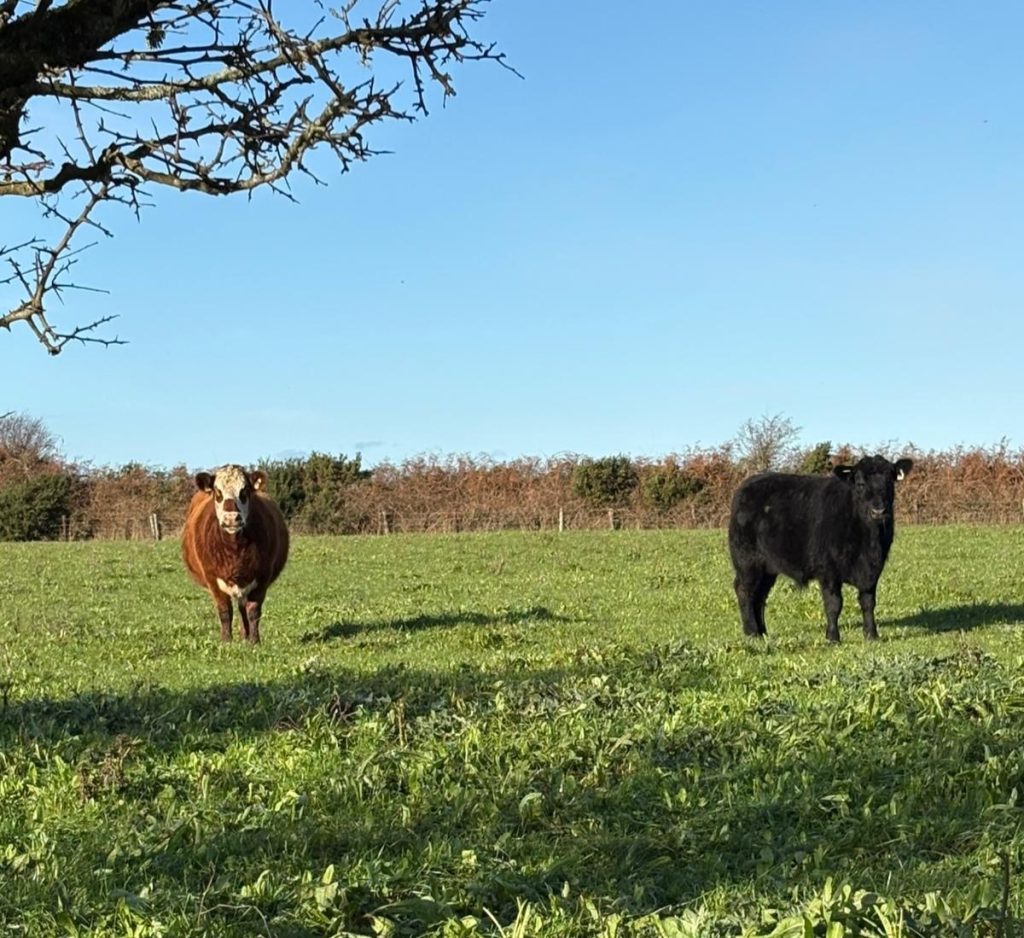
Calving generally starts at the end of February and the average 200-day weight of the bull calves was 302kg, and 265kg for the heifers.
The farm has recently applied for Targeted Agriculture Modernisation Schemes (TAMS) funding for heat detection aids.