CAP: Reorganising existing funds 'will not wash' for farmers

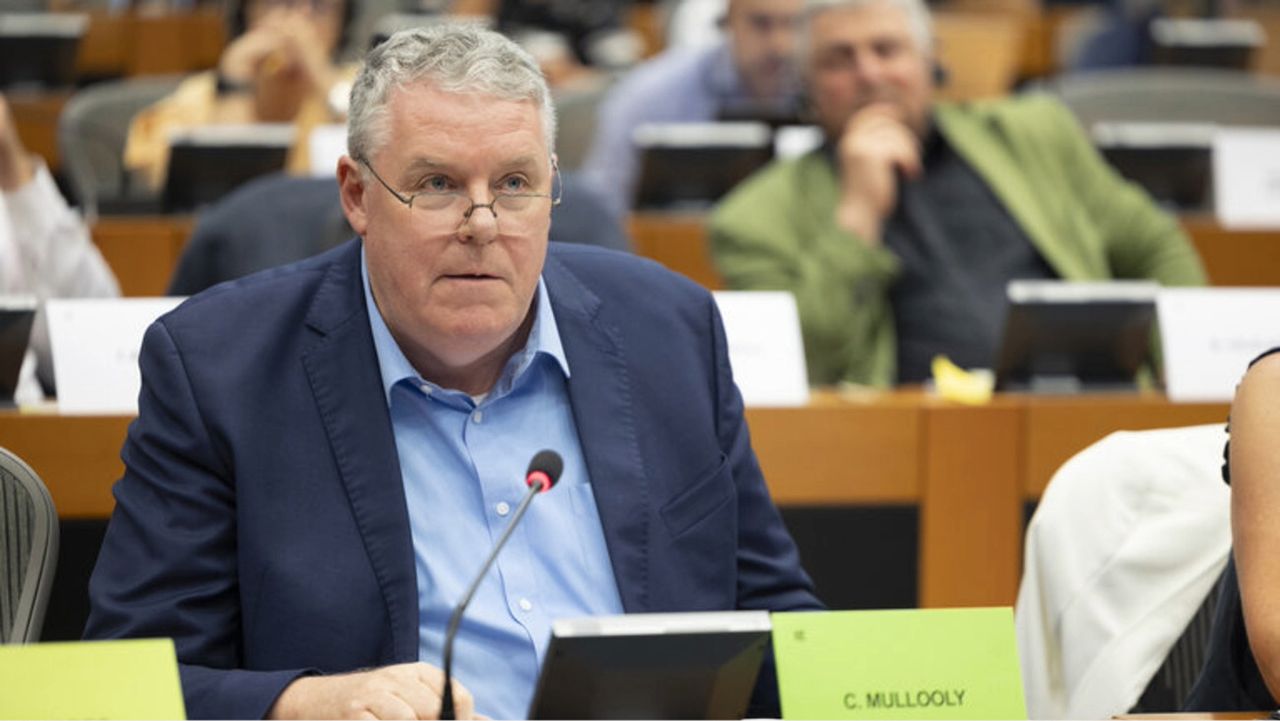
An Irish MEP has levelled strong criticism against the latest proposals for the EU's long-term budget and its impact of the Common Agricultural Policy (CAP).
On Saturday (November 21), the European Council (which is made up of heads of state and heads of government of the member states) published a set of proposals on the Multiannual Financial Framework post-2027.
These latest plans will still see the budget for CAP slashed when compared to the current CAP.
However, the plans do contain one potentially positive change, which will see a 10% portion of non-CAP money ring-fenced for interventions under CAP.
While this would cover part of the 24% cut in CAP funding outlined in previous proposals from the commission and the member states, it would still leave the allocation for farm interventions well short of the allocation for the current CAP, and even shorter when inflation is accounted for.
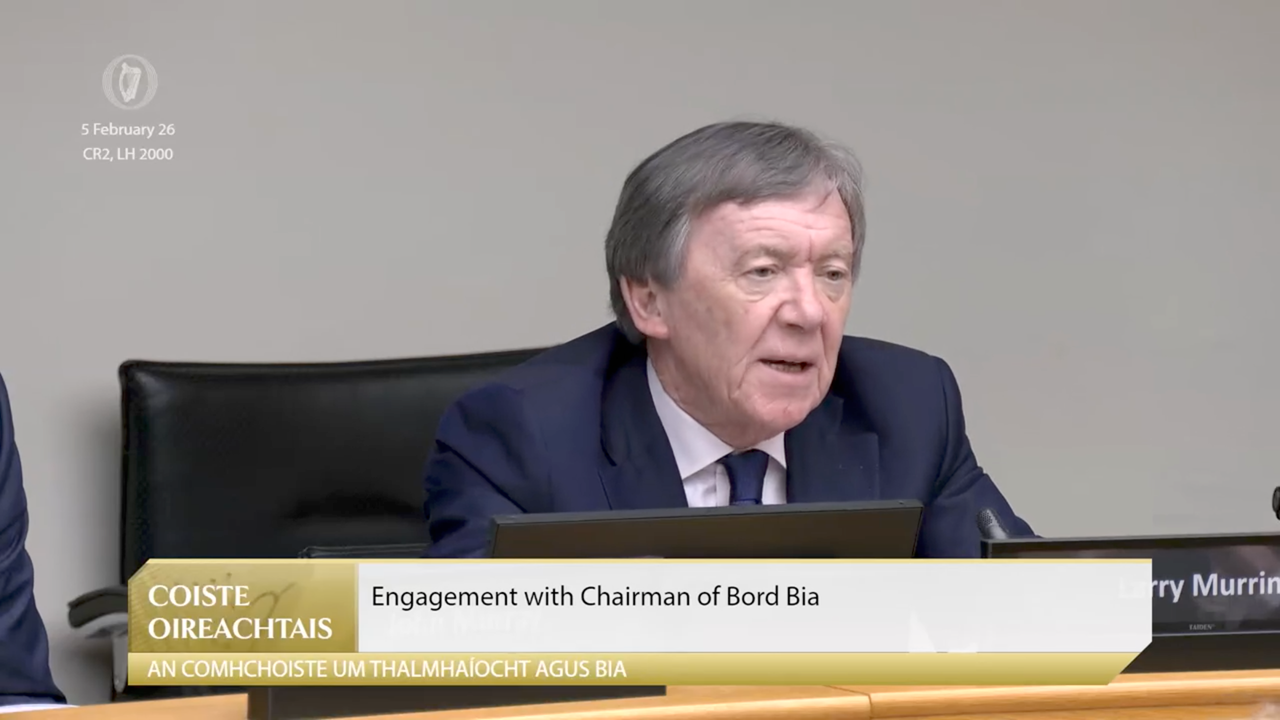
Midlands North-West MEP Ciaran Mullooly said that the latest proposals are "wholly inadequate to protect farmers, rural communities and Irish regions".
He said he will support a European Parliament vote to veto the next EU budget based on these current proposals.
Mullooly called on the Irish presidency of the Council of the EU (i.e. the council of member states, and thus a separate body from the European Council) to "take radical borrowing steps" to restore key funds for farmers and rural Ireland".
The MEP also called for repayments under the NextGenerationEU fund - which was set up to deal with economic disruption from the Covid-19 pandemic and which was funded by borrowing - to be excluded from the overall budget.
He also reiterated a call for a CAP funding pot of €433 billion, which is currently the favoured amount by the European Parliament.
"[The council's] proposal leaves the commission's reduced CAP income-support figure virtually unchanged. However, it does nothing to restore the funding lost compared with the current CAP period," Mullooly claimed.
"It is only right that the EU focuses on border security, however food security must be treated as an equally important strategic priority. We cannot claim to strengthen Europe's resilience while undermining farmers and our capacity to produce our own food," he added.
"I could never support a vote in the European Parliament that would destroy funding for both farming and cohesion."
In a subsequent statement, Mullooly said that farmers should not be expected to carry the cost of Europe's new priorities through cuts to agricultural funding.
In a European Parliament debate, he said that moving money between existing programmes would not solve the funding pressure for farmers.
"Reorganising existing funds to try and plug a gap of nearly 100 billion simply will not wash for our farmers," he said.
He used this parliament debate to again call for the restructuring of timetable for repayments under NextGenerationEU.