Be aware of the risk of mycotoxins in your silage this winter

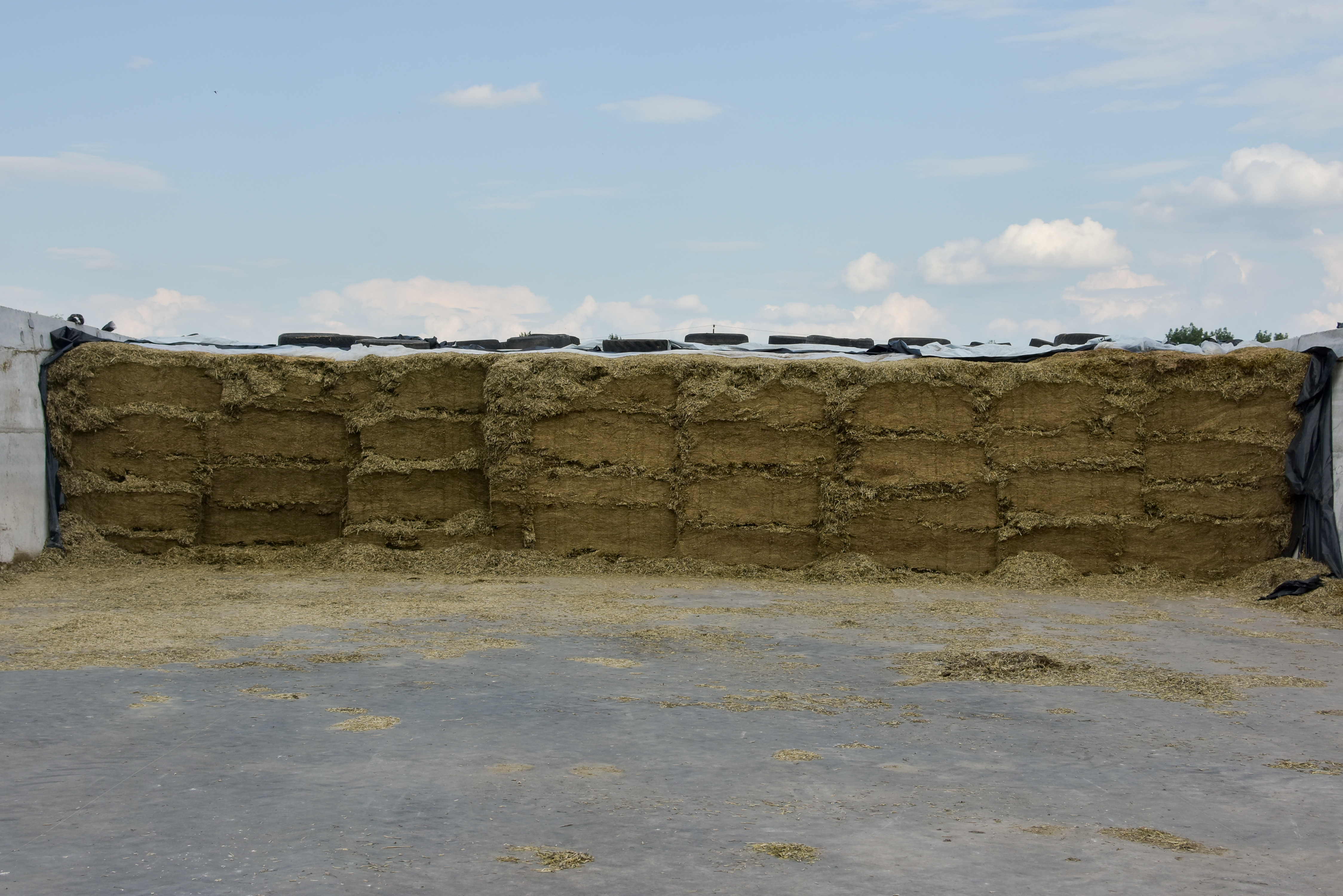
The silage season was relatively good this year, meaning farmers should have adequate quality fodder in the yard.
However, with the dry spell we experienced in May, reports of first cut silage from this year seem to be coming back with high levels of dry matter (DM) above the ideal 30%.
Higher DM silage can be difficult to manage as it is not as stable, which means pH, sugars and ammonia are promoting the growth of mould within the pit.
This means farmers need to keep an eye out for the risk of mycotoxin, which can lead to poor animal health and performance.
Mycotoxins are natural substances, produced as a defence mechanism by fungi/moulds.
There are around 500 types of mycotoxins, but the most common are formed by the moulds penicillium and fusarium.
These moulds can thrive in the moist, humid, and cooler conditions we face in our climate.
The biggest risk of mycotoxins are related to the pit of forage itself; for example, if the pit has not been sealed properly or the silo cover is damaged the risk goes up.
The moulds may also be a result of a delayed harvest or inadequate packing back in the summer.
Mycotoxin burdens are particularly common within maize silages as the crop tends to heat as rotting bacteria eats at the crops nutrients.
Mycotoxin risk
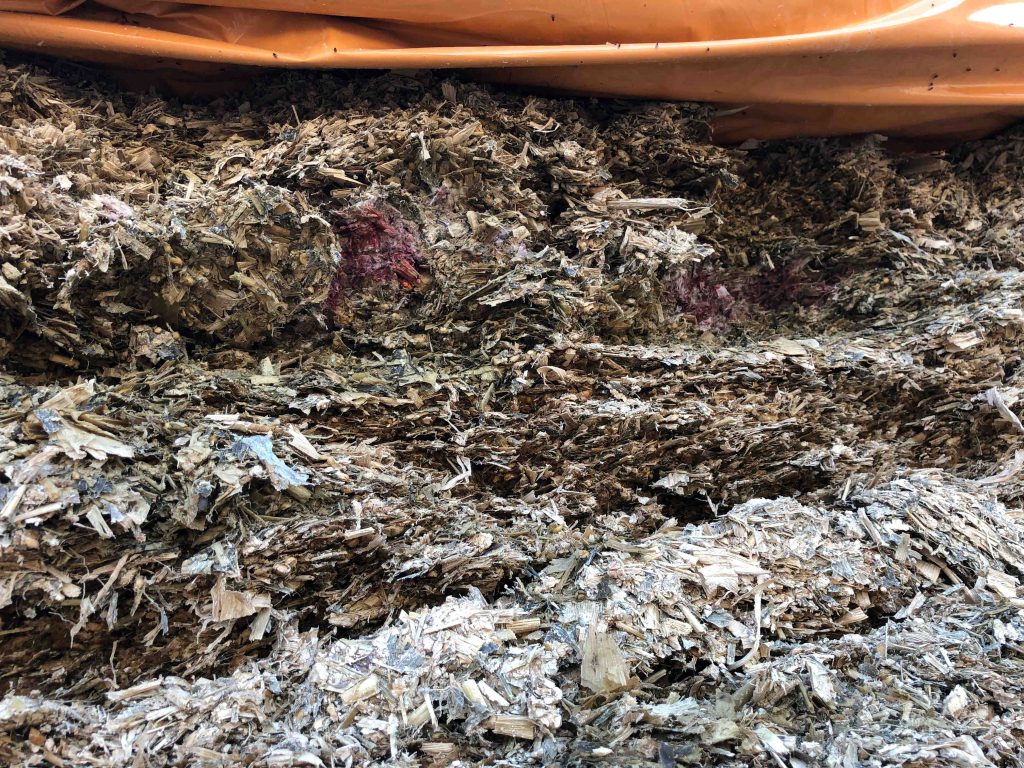
Fusarium moulds are generally easy to spot due to their red colour; though they can be missed and will accidently end up being fed.
This can lead to several issues, with some mycotoxins mimicking the biological activity of oestrogen and therefore negatively affecting the cows' fertility.
Some moulds can also cause liver and kidney damage, ultimately disrupting the gut and leading to diarrhoea and reduced growth rates in young animals, while separately causing issues with milk production.
This is why silage testing throughout the winter is crucial, as well as watching for clinical signs such as diarrhoea, reduced milk production, increased somatic cell count (SCC), and mastitis.
If you do notice any of these symptoms or have concerns about mycotoxicosis, feeding a mycotoxin binder may be your best course of action.
Keeping a high standard of pit face management is crucial to ensure no air is entering the pit, and consider using silage additives next summer if you are having issues with mycotoxins.