Barley Yellow Dwarf Virus control - to spray or not to spray

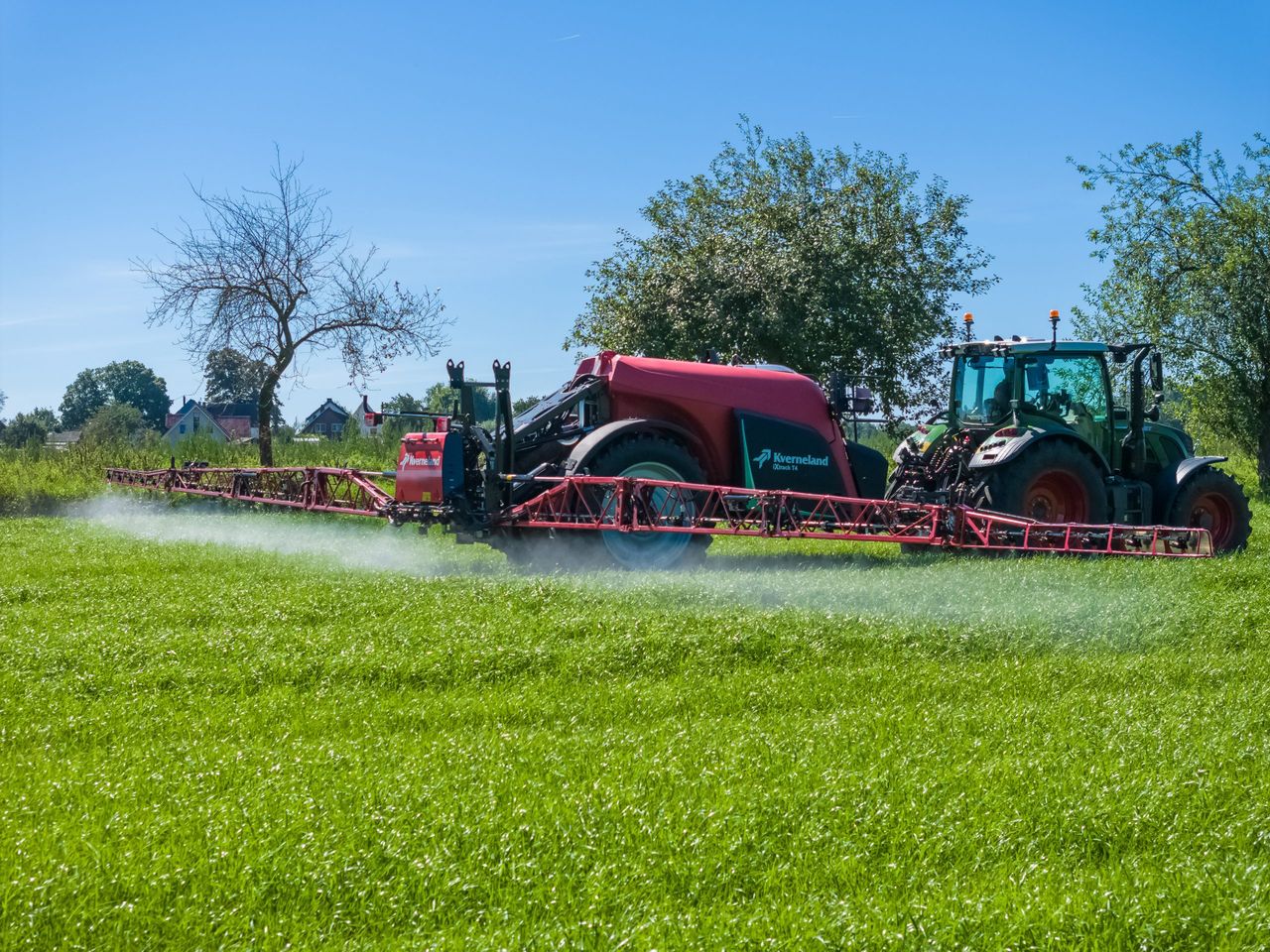
There are certainly arguments for and against the use of an insecticide to control Barley Yellow Dwarf Virus (BYDV) in crops.
But the bottom line is a very simple one - growers will make a final decision based on the circumstances that they believe best suit individual farm businesses.
Almost all winter cereals have been drilled at this stage, with many having already received a pre-emergence herbicide.
Many growers will expect that they are finished with these crops until next spring.
Teagasc tillage specialist, Shay Phelan said:
“Based on the evidence of the harvest gone, Barley Yellow Dwarf Virus (BYDV) did play an important factor in some of the poor yields, particularly in winter barley crops this year.
“So, the question becomes: do we apply an insecticide on the current crops or not?
"While this may seem a simple question, the answer is not so clear. There are many farmers who do not like applying an insecticide and haven’t done so in years.
"Then there are others who do not like the risk of not applying them in case they get a bad infection like we saw in 2026," Phelan added.
BYDV regions
According to the Teagasc representative, the region in which crops are drilled can impact the threat of BYDV.
For instance, coastal areas represent a higher risk in this regard.
However, sowing date, variety and the weather all contribute to the levels of infections experienced in any given year.
“Milder autumns are certainly allowing aphids to survive and move longer into the winter, therefore increasing the risk," Phelan continued.
"While predators can play a role in keeping the number of aphids carrying the virus down, they are only useful if they prevent the infected aphid from feeding on the leaf.
“Infected aphids carry the virus on their mouth parts and, as soon as they begin to feed, the virus is transmitted to the plant.
"Once in the plant, it cannot be treated.”
He explained that aphicides by their nature will kill all aphid species and many beneficials, so they are not as targeted as everyone would like to think.
Moreover, many aphid species do not carry any virus; even the ones that do, may carry strains that cause very small yield losses.
“Aphicides only work in the field where they are applied, but aphids can fly in from anywhere in the environment,” Phelan said.
“They are constantly moving until the weather becomes colder and days get shorter, then they stop flying and only move by walking.
"Yield losses caused by BYDV are impossible to predict at this time of year. However, they can be substantial."
BYDV control
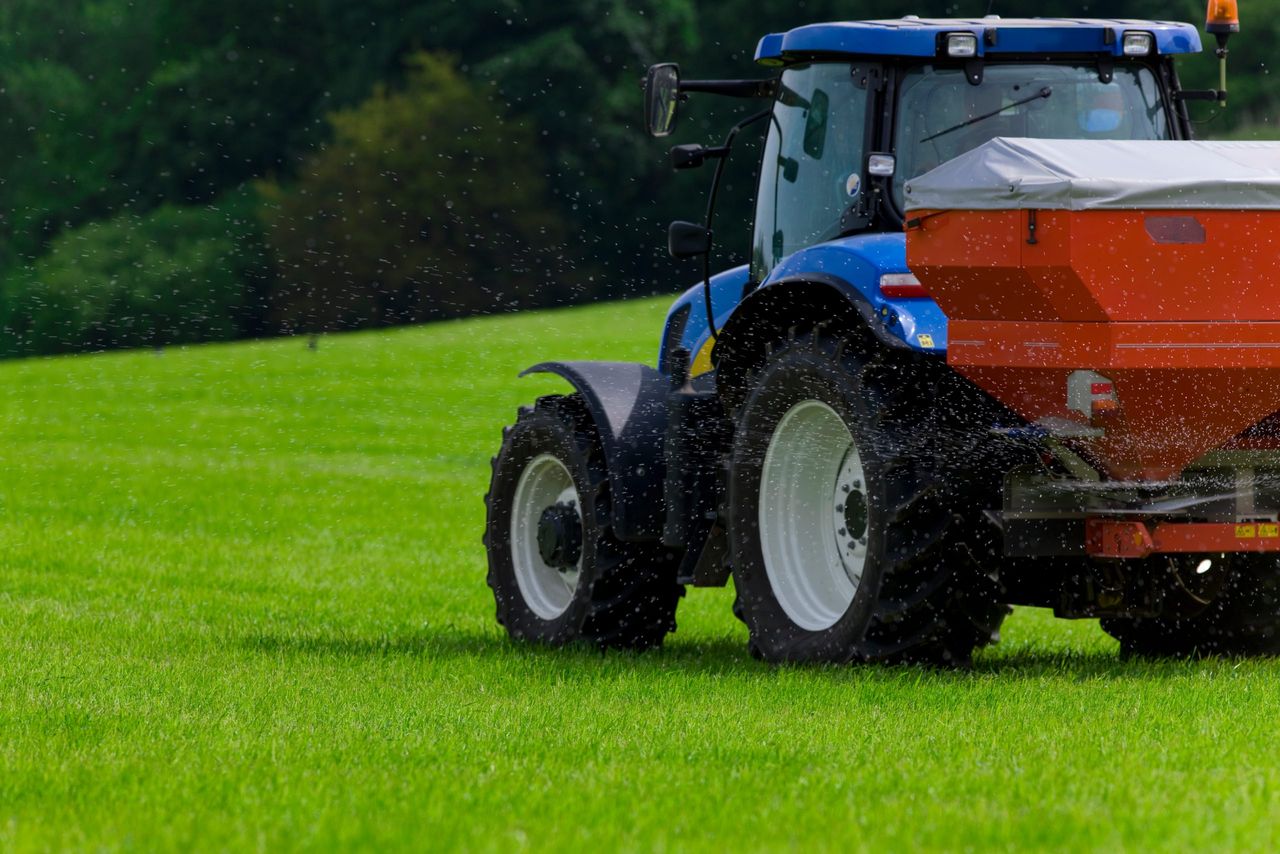
Research carried out in Ireland suggests that the best time to control aphids in the autumn was early November at the 2-3 leaf stage, for October planted crops.
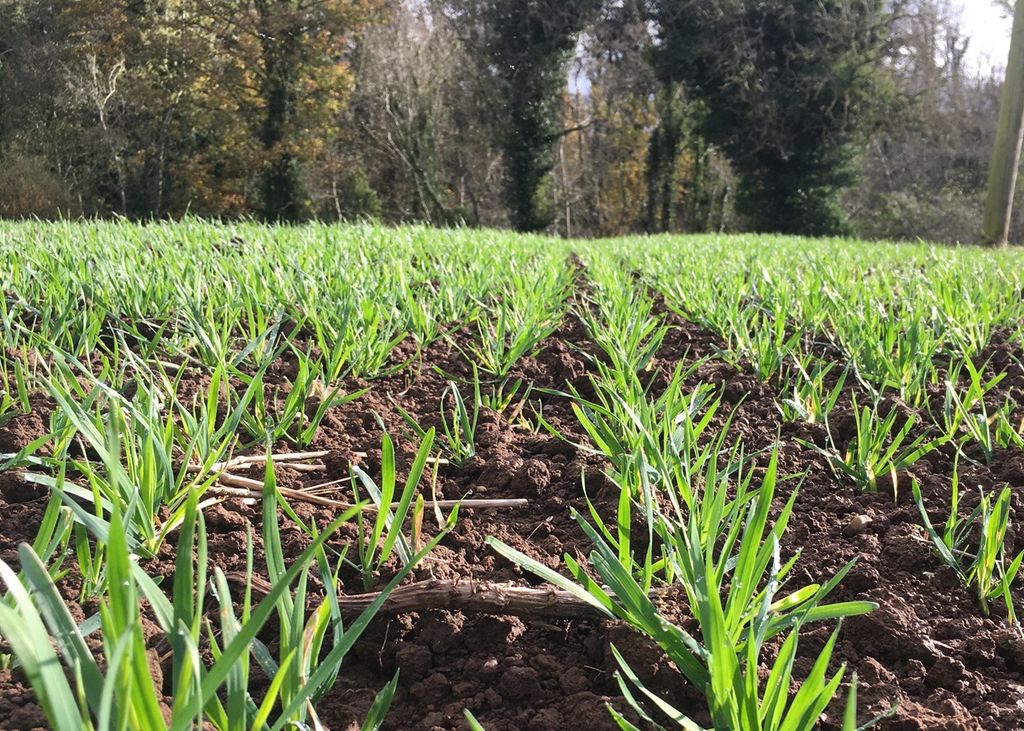
This usually coincides with a drop in temperature, which slows down movement and therefore helped control the spread of the virus.
Recent work carried out by Teagasc’s Dr. Louise McNamara suggests that a single application of an insecticide for this circumstance is still the best way of spreading the virus in a susceptible variety.
However, with the increased availability of tolerant varieties and the trend to earlier drilling, does this advice still hold?
Recently published work by Dr. Louise McNamara, looking at the amount of virus in both susceptible and tolerant varieties, shows that while both will still show signs of the virus, the tolerant ones will suffer less of a yield penalty.
September-drilled crops will have potentially more virus than October planted ones and growers should remember that wheat also can get BYDV as well as barley.
Dr. McNamara has also shown that a January-applied-aphicide can perform as well as a November treatment.
She has also seen no significant increase in pyrethroid resistance in the aphid population.
Shay Phelan concluded: “So, while the advice may well sound simple regarding applying an aphicide to control BYDV, it is actually much more complicated.
“Variety, sowing date, location, weather and most importantly the farmer’s attitude to risk will all play a part in making a decision whether you apply an insecticide or not.
“We will only know which decision is correct next April.”