Let Trees Work For You
The Department of Agriculture, Food and the Marine (DAFM) covers 100% of the costs to establish the forest, and all payments and earnings are income tax-free.
To highlight the potential benefits of forestry for farmers, DAFM, in conjunction with Agriland, are publishing the Let Trees Work For You – Meet our Forestry Ambassadors Series
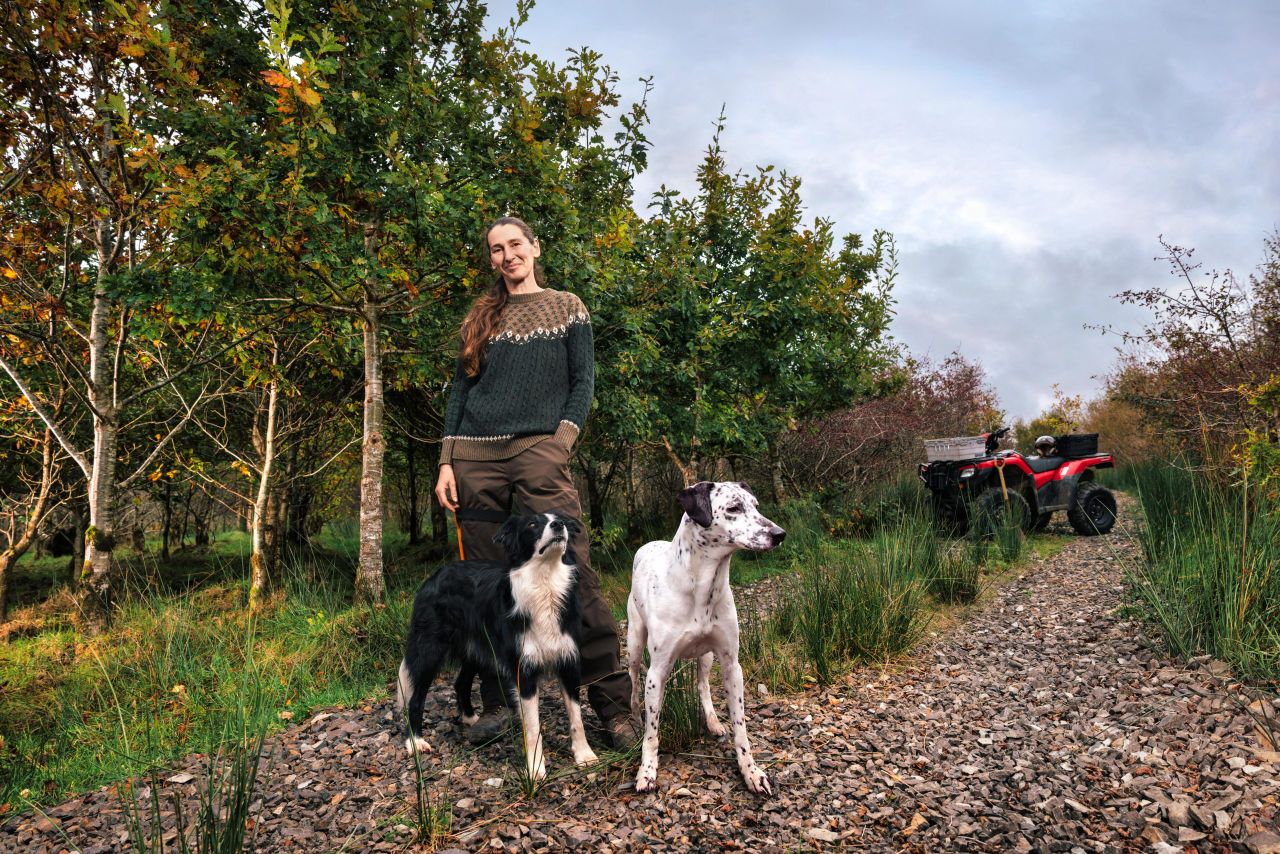
In this episode of the series, we meet forestry ambassador Ragna Christ Zorin, a suckler farmer from Co. Clare.
What first sparked your interest in forestry and made you decide to plant trees on your land?
With a background rooted in a childhood spent amidst the diverse forests of Germany, my passion for trees grew.
Since moving to Ireland and taking on our farm, I looked at ways to improve the land.
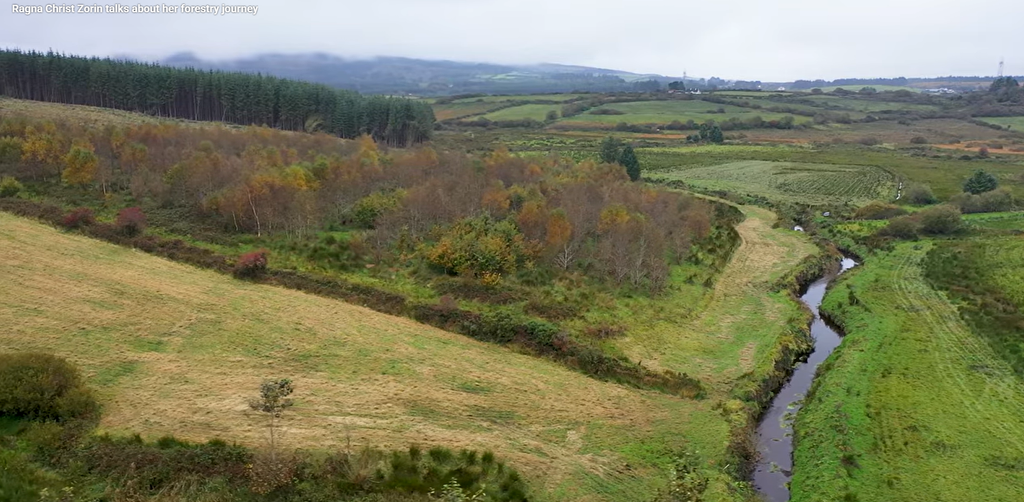
I planted native woodland under the FT1 scheme. This was planted in April 2013 and was complemented by creating hedgerows, woodland zones, and nature corridors.
What challenges did you face when first starting your forestry application, and what kind of support did you receive?
The biggest challenge in the forestry application was the bureaucracy coming with it.
It was to get the afforestation license. We are relatively near the Atlantic coast. So there is the hurdle to overcome. Will those trees grow here?
The forestry company or your local forester; they do look after the sourcing of the plants. They look after the ground preparation.
These lads have studied how to do it. So they know each site is different and needs different preparation or even different species according to the ground.
In terms of support, the forestry company was actually very good in helping to get this application across, and we ended up being allowed to plant the way we wanted to plant it.
I think you can see that we've proven the point that they do grow.
What specific benefits were you hoping to achieve by adding forestry to your farm?
There are a few benefits. There is obviously the grant money. There is also the benefits of an eventual very valuable crop.
Our land is very wet and we have a lot of wind. It does give shelter to the fields who are on the other side of the woodland and it is a biodiversity hotspot.
So yeah, there is a lot to be gained from planting forestry on your land.
Looking ahead, how do you see forestry supporting the long-term sustainability and value of your farm for the next generation?
There are other schemes. You can convert this to CCF, which is Continuous Cover Forestry, and there is help from the department as well to do that.
The Woodland Improvement Scheme helps me with the thinning of the trees. Again, I'm using my foresters to do the application.
It gives me a small grant to improve my woodland, to keep it going for future generations.
My grandchild will eventually have a very nice income from the trees here.
What advice would you give to another farmer who is considering adding forestry to their farm?
My first advice to another farmer who is thinking about planting forestry is think about if you like trees.
Then the second thing is to really sit down with yourself, think about what do you want.
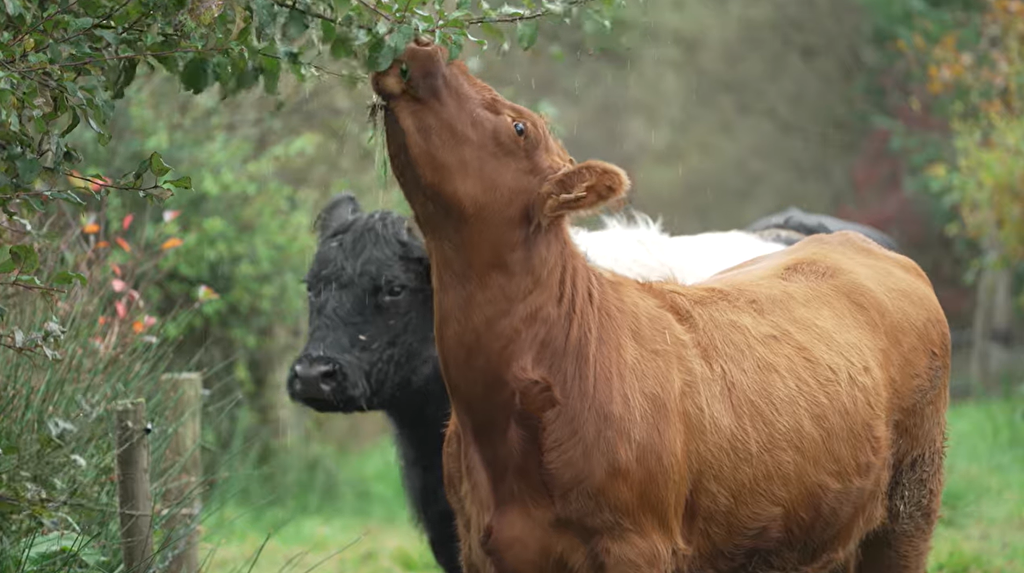
So we have different schemes. We have agroforestry where I can combine my livestock or my crops with trees on the same plot of land.
We have Sitka spruce plantations, which might be a piece of land you do not want to farm. You want to be a little bit more hands-off.
We have the Native Woodland Scheme, which is a little bit more hands-on.
If you have an interest in it, it is a very rewarding experience to grow a successful woodland.
Most of all, you need to enjoy it. We need enjoyment in what we do, especially as farmers.
The Let Trees Work For You – Meet our Forestry Ambassadors Series is a collaboration between Agriland and the Department of Agriculture, Food and the Marine.