What could happen to cattle prices in 2026?

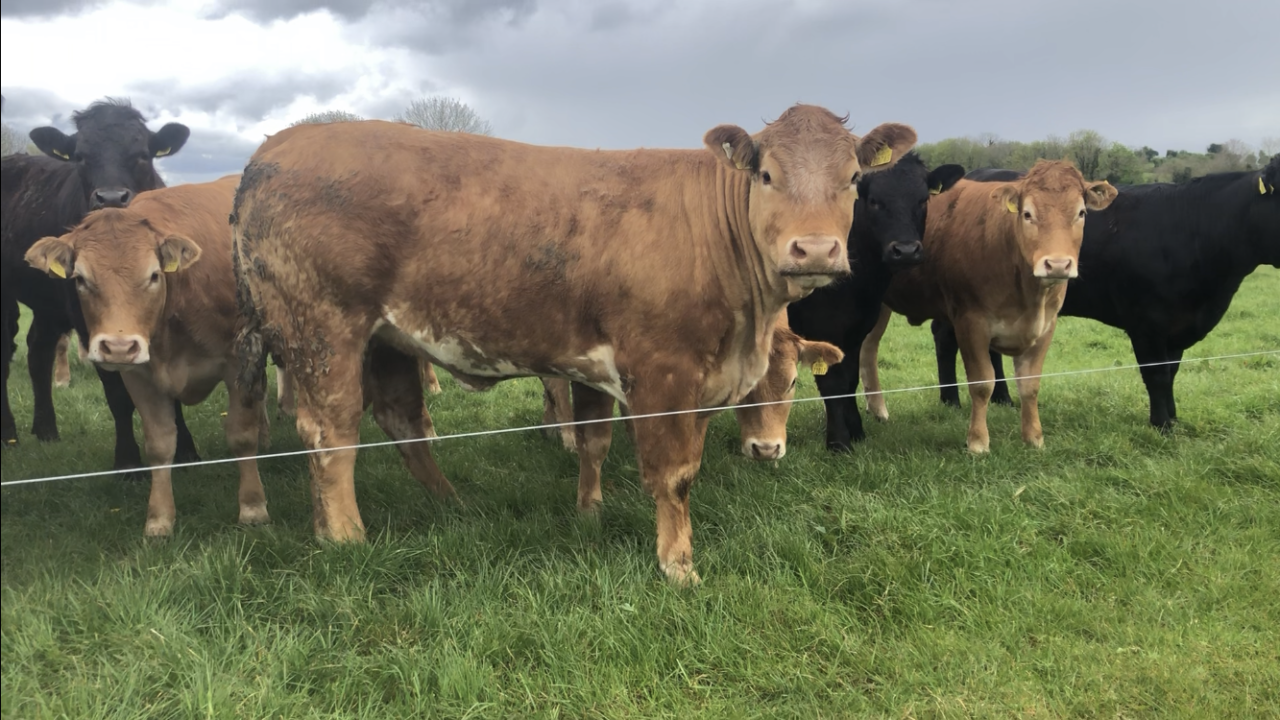
Finished cattle prices are forecast to "increase marginally" in 2026, according to a new report published by Teagasc today (Tuesday, December 2).
Teagasc economists have forecast a 5% increase in finished cattle prices with a forecast of a 3% increase in store cattle prices in 2026 compared to this year.
However the price of weanling cattle, which soared in 2025, is not likely to keep pace with its performance this year when it comes to 2026.
Average prices for weanling cattle were 70% higher this year compared to 2024, which economists today said resulted in "a large increase in output value on single suckling enterprises".
However in the Outlook 2026: Economic Prospects for Agriculture report published by Teagasc, economists warn that some of the increase witnessed this year "will be reversed in 2026, with a 5% decrease forecast for weanling prices".
This year, the average gross margin per hectare earned on single suckling enterprises was estimated by Teagasc economists to be in the region of €1,307/ha - which translated to a 126% increase on the 2024 level.
Next year, the average gross margin per hectare on single suckling enterprises is forecast to decrease by 5% to €1,236/ha.
In contrast, the average gross margin per hectare on cattle finishing enterprises is forecast to increase by 14% to approximately €1,121/ha.
Cattle incomes
Teagasc economists have also forecast that average incomes will rise on 'cattle other' (finishing) farms in 2026, with an increase of 18% to €26,000.
Meanwhile, average incomes on cattle rearing farms in 2026 are forecast to decrease by 5% to €28,500.
In general, however, farm incomes on cattle farms next year are forecast to be "well above" historical averages.
But economists today at the Teagasc Ashtown Food Research Centre did warn that their latest economic prospects report had been compiled ahead of the current investigations into suspected cases of bluetongue in Northern Ireland.
If these investigations confirm bluetongue is in Northern Ireland, then the implications of this on sector are yet to be fully analysed, the economist said.
This could result in control zones being established and potential trade restrictions being introduced.