Mercosur: MEP believes trade deals must work for 'both sides'

Speaking on the EU-Mercosur Trade Agreement, Irish MEP Billy Kelleher has said that, in regard to beef imports, it is "not acceptable", and trade agreements must work for "both sides".
He explained: "For all my political life, I have supported sustainable free-trade agreements between the EU and other trading blocs.
"International trade is at the cornerstone of Ireland’s prosperity; we are an open, outward-looking nation that has built its economy on trading goods and services with our neighbours and allies.
“However, trade agreements must work for both sides, and for everyone on each side. Sadly the deal done on Mercosur with regards to beef imports is not acceptable to me as an Irish MEP."
Kelleher also highlighted that there are many elements of the deal that he supports and are of value to both the European and Irish economies.
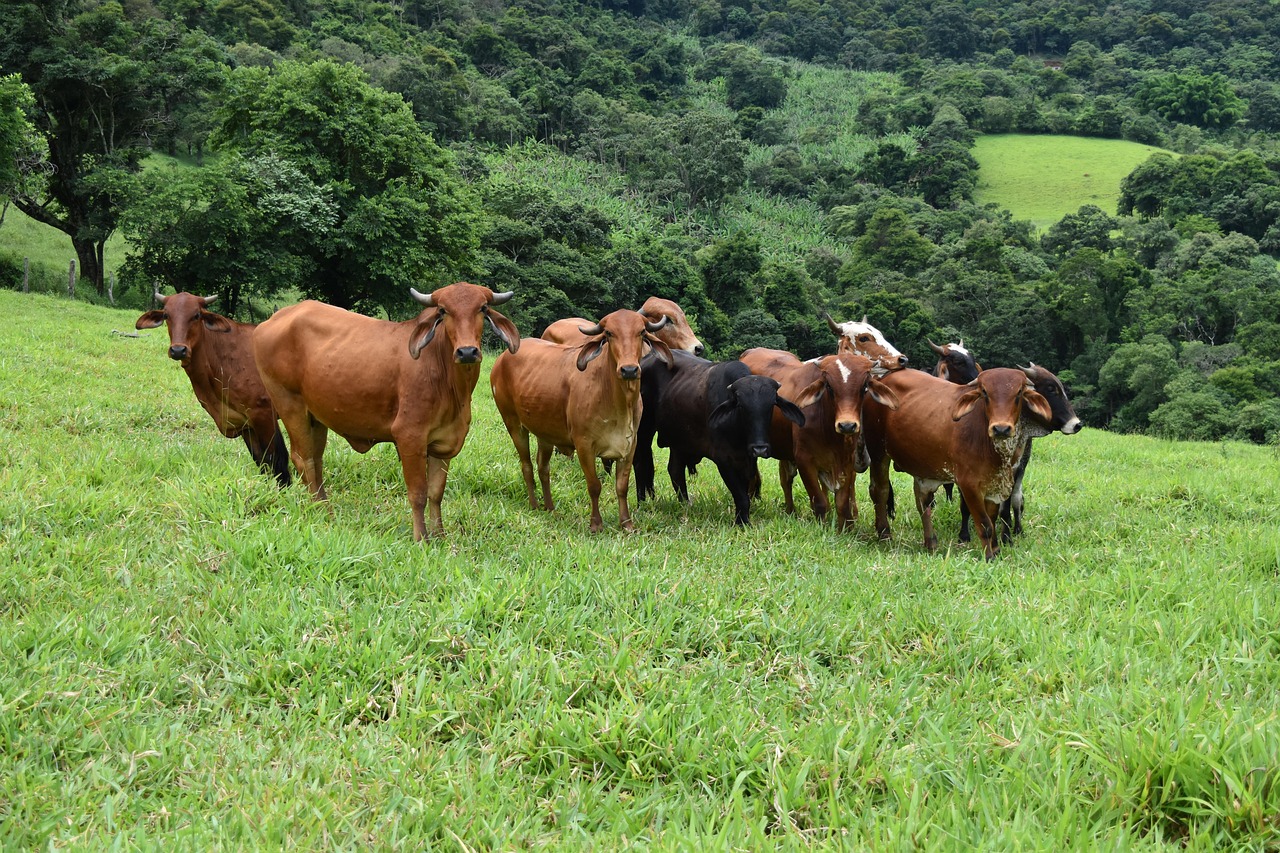
"The agreement to allow approximately 100,000t of additional beef into the the EU is not only bad for Irish agriculture but also bad for environmental biodiversity and is also a potential threat to human health," he added.
Mercosur
The MEP further reinforced that the deal was not "acceptable", and that he did not have enough "trust" in the authorities implementing the conditions of the agreement.
He said: “We need to be honest with ourselves, an increase in Brazilian beef exports to Europe will result in the further destruction of the Amazonian rainforest and the displacement of indigenous people. This is morally and ethically wrong in my opinion.
"Fundamentally, in order to reach an agreement, elements of the Mercosur trade deal - i.e. the beef import segment - have been compromised in order to secure an agreement which would benefit other parts of the economy, such as car exports.
"While safeguards have supposedly been put in place, they ultimately rely on the national competent authorities in Mercosur countries to implement them and play by our rules."
Kelleher outlined that when the votes comes before the European Parliament later this month, he will vote for any and all safeguarding measures but will ultimately have to vote against the actual trade agreement.
“This is something that should not have been necessary.
"In its efforts to secure a deal, the European Commission sacrificed agriculture to support other sectors of the European economy,” he added.